Hard water can leave stubborn mineral deposits on dishes and glassware, making everyday cleaning feel frustrating. This guide provides practical steps using common descalers and safe cleaners to restore shine without damaging finishes.
Quick Answer
Use a combination of descaler tablets or calcium lime remover products in the dishwasher, followed by a citric acid or vinegar-based cleaner for a bright finish. For hard-to-clean spots, apply a targeted spray and soak, then run a thorough cycle with a dishwasher cleaner to prevent future buildup.
What You’ll Need
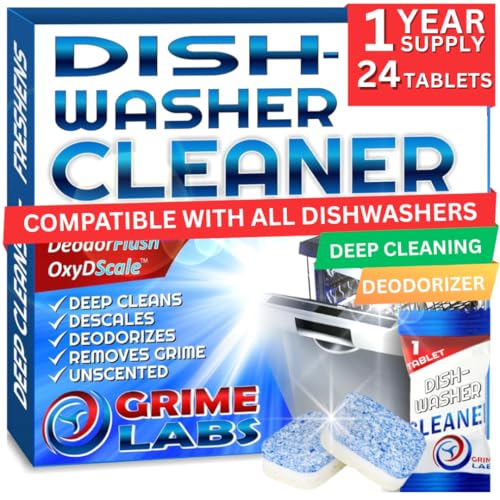
- Dishwasher descaler tablets calcium lime remover
- Citric acid dishwasher cleaner descaler powder
- Hard water stain remover spray for dishes glassware
- Dishwasher cleaner vinegar tablets descaler
- Calcium lime scale remover for dishware dishwasher


Before You Start
Before diving in, remove any large debris from the dishwasher and run an empty cycle to warm up the interior. Always follow product labels for recommended dosages and contact times. Protect skin and eyes when handling chemical cleaners, and ensure good ventilation in the kitchen. Time estimates vary: a single treatment can take 20–60 minutes, with an additional full cycle for rinse and dry.
Step-By-Step: How To Remove Hard Water Stains From Dishes And Glassware
- Empty the dishwasher and inspect the interior for visible mineral trails or cloudiness on glassware.
- Place a dishwasher descaler tablet or calcium lime remover in the dispenser, and run a hot wash cycle according to product instructions.
- If needed, apply a hard water stain remover spray for dishes glassware to affected spots on glassware and let it sit for the time specified on the label.
- For persistent stains, create a gentle soak by placing stained items in a basin with a solution of citric acid dishwasher cleaner descaler powder or a diluted vinegar solution, then rinse thoroughly.
- Run a second hot cycle with no dishes to flush residues from the interior and heating elements.
- After the cycle, inspect dishes and glassware; wipe any remaining spots with a microfiber cloth while still damp for best results.
- Once stains are removed, run a maintenance cycle using dishwasher cleaner vinegar tablets descaler or a dedicated cleaner to prevent future buildup.
- Repeat quarterly or as needed in areas with very hard water to maintain shine and reduce mineral deposits.
Troubleshooting
| Symptom | Likely Cause | Fix | Prevention |
|---|---|---|---|
| Cloudy glassware after cycles | Mineral residues or improper rinse | Use a descaler and ensure hot, full cycles | Regular maintenance cycles |
| Stubborn brown/yellow film on dishes | Iron or mineral content in water | Apply calcium lime remover and run longer hot cycle | Install or adjust water softener if needed |
| Rings around rims of cups | Inadequate agitation or product distribution | Use correct dosage and place items for optimal spray | Avoid overcrowding |
| Dishwasher smells after cleaning | Residual organic buildup | Run a cleaner-only cycle with dishwasher cleaner | Regular cleaning schedule |
Common Mistakes
- Overusing cleaners, which can leave residue or cause foaming errors
- Mixing different cleaners in the same cycle, risking chemical reactions
- Ignoring rinse aid needs, leading to streaks on glassware
- Overcrowding the dishwasher, which blocks spray jets
Tips For Best Results
- Run hot water to the sink before starting cycles to improve cleaning efficiency.
- Use a dedicated descaler or calcium lime remover at recommended intervals, depending on water hardness.
- Consider a pre-wash or pre-soak for heavily stained items to loosen mineral deposits.
- Keep spray arms clean by removing debris that can impede water flow.
- Test with a small batch of dishes first to gauge product effectiveness before treating a full load.
Call A Professional
Seek professional help if stains persist after multiple maintenance cycles, or if the dishwasher shows unusual noises, leaking, or error codes. A licensed technician can assess water hardness levels, plumbing integrity, and appliance seals that contribute to mineral buildup.
FAQ
What is the best cleaner for hard water stains on glassware?
A citric acid-based cleaner or dishwasher descaler designed for mineral removal is typically effective.
Can I use regular vinegar to descale my dishwasher?
Yes, but use it cautiously and avoid direct use on delicate finishes; follow label directions for safe use.
How often should I run a maintenance cycle?
In hard water areas, monthly maintenance cycles help prevent buildup; adjust frequency based on results.
Will descaler tablets damage my dishwasher?
When used as directed, descaler tablets are safe for most dishwashers and help prevent mineral deposit buildup.
Should I dry dishes by hand after a cycle?
Drying by hand can help remove remaining spots, but using a rinse aid and proper drying cycles also reduces spots.
Buying Guide
When selecting products to combat hard water stains, consider size, compatibility, and ease of use. Look for descaler tablets or powders that are specifically labeled for dishwashers and for calcium lime scale removal. Think about your water hardness level and whether you want a multi-step system (descaler, cleaner, and rinse aid) or a single, all-in-one solution. Noise level and energy efficiency matter when running additional cycles; opt for products that minimize extra wash time while delivering effective results. Placement within the dishwasher should align with manufacturer guidance to ensure proper dissolution and distribution.