Hard water leaves mineral deposits on faucets, reducing water flow and marring finishes. This guide explains practical, safe methods to remove lime scale and prevent future buildup on common household fixtures. It covers step-by-step techniques, the right tools, and maintenance routines tailored for American homes.
Quick Answer
Use a targeted descaler or vinegar solution, along with a cleaning brush and a descaling tool for the aerator. Start with a soak to loosen deposits, then rinse and dry to prevent new buildup. Regular maintenance every few weeks can keep faucets looking bright and functioning smoothly.
What You’ll Need
- Faucet limescale remover spray for chrome
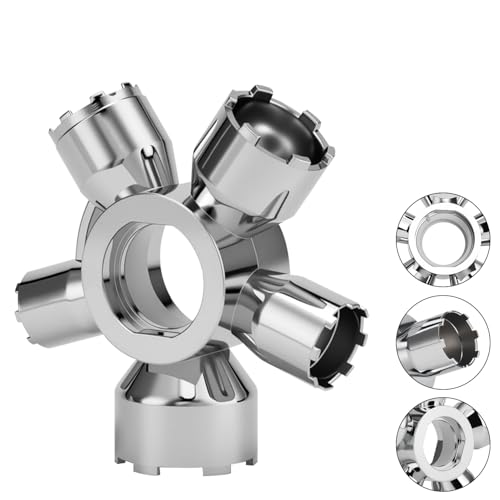
- Aerator descaling tool for hard water deposits
- Chromed faucet descaling solution for bathroom
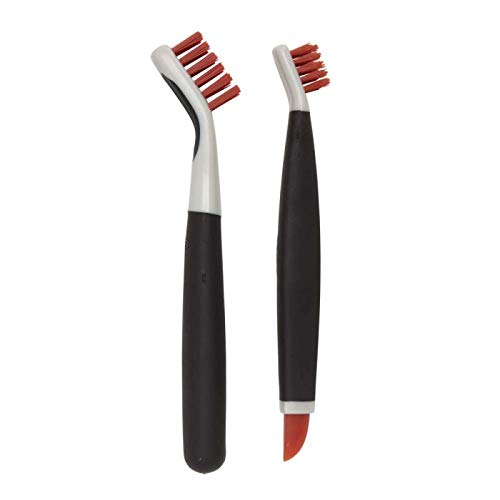
- Faucet cleaning brush set for lime scale remover
- Vinegar-based descaler for faucet hard water buildup

Before You Start
Assess the finish of your faucet to avoid harsh chemicals on sensitive coatings. Always turn off the water supply before disassembly and test a small area for color fastness after applying a cleaner. Work in a well-ventilated area and wear gloves to protect skin. Time estimates vary by deposit severity: plan 20–60 minutes for a thorough job. Critical cautions: avoid abrasive pads on chrome finishes, never mix cleaners with bleach, and never apply acidic solutions to brass or plated surfaces without checking manufacturer guidance.
Step-By-Step: How To Remove Hard Water Buildup On Faucets
- Prepare the workspace by placing a towel under the sink and gathering all tools. Remove the aerator from the faucet spout to inspect mineral buildup directly at the source.
- Soak the aerator in a bowl of vinegar-based descaler for 15–30 minutes to loosen lime scale and mineral deposits.
- While the aerator soaks, spray a chrome-safe faucet limescale remover around the faucet rim and any visible deposits. Let it sit for the product-specified time.
- Use a faucet cleaning brush set to gently scrub the spout, handles, and surrounding surfaces. Focus on crevices where minerals cling and rinse away residues with warm water.
- Reassemble the aerator and reattach it to the faucet. If deposits persist, use an aerator descaling tool to dislodge hardened scale without scratching the metal.
- For stubborn patches, apply a chromed faucet descaling solution for bathroom, following label directions. Rinse thoroughly with clean water to remove all residues.
- Dry all surfaces with a soft microfiber cloth to prevent water spots. Inspect the finish for any dull spots or etching; repeat the appropriate cleaning step if necessary.
- Establish a maintenance routine: rinse after use, wipe dry, and perform a light descaling every 2–4 weeks depending on water hardness and usage.
Troubleshooting
| Symptom | Likely Cause | Fix | Prevention |
|---|---|---|---|
| Persistent white or chalky residue after cleaning | Residual mineral deposits | Repeat descaling steps; extend soak time if needed | Wipe dry after use; rinse with warm water |
| Reduced water flow from the aerator | Clogged aerator screens | Soak and scrub screens; replace if damaged | Regular aerator checks every few months |
| Finish appears dull after cleaning | Overly aggressive scrubbing | Switch to soft-bristle brush and non-abrasive cleaners | Use microfiber cloth and mild solutions |
| Corrosion or discoloration on chrome | Wrong cleaner for finish | Cease use of the cleaner; switch to chrome-safe products | Follow manufacturer recommendations |
Common Mistakes
- Using abrasive pads on chrome or plated finishes
- Over- soaking metal parts, which can cause detachment or loosening
- Mixing cleaners that release chlorine with acids, creating dangerous fumes
- Ignoring the aerator and plunger area where most buildup occurs
Sticking to gentler methods and dedicated descalers reduces the risk of damage while restoring shine and flow.
Tips For Best Results
- Choose a vinegar-based descaler for light to moderate buildup and a dedicated limescale remover for chrome surfaces when needed.
- Clean in stages: first the aerator, then the faucet body, then the handles to minimize cross-contamination of cleaners.
- Keep a simple log of maintenance dates to prompt timely descaling before heavy buildup returns.
- Consider using a water softener or filtrations system if mineral deposits recur frequently in your area.
Call A Professional
Call a licensed plumber if you notice persistent low water pressure despite cleaning, unusual leaks around the faucet base, or corrosion that seems to be spreading beyond cosmetic finish. Signs that require professional attention include cracked or peeling chrome, discolored water, or deposits that resist standard descaling methods.
FAQ
Can I use vinegar on all faucet finishes?
Vinegar is effective for many mineral deposits, but avoid it on delicate or non-chrome finishes unless the manufacturer approves it.
How often should I descale a faucet with hard water?
For households with hard water, a light descaling every 2–4 weeks helps prevent heavy buildup.
Is it safe to disassemble the faucet parts for cleaning?
Only if you are comfortable and it is not a warranty-voiding action. Take photos during disassembly to aid reassembly and avoid overtightening.
What’s the best tool for mineral deposits in an aerator?
A dedicated aerator descaling tool is recommended to avoid damage to threads and screens.
Should I replace the aerator after descaling?
If the screens show wear or cannot be cleaned effectively, replace the aerator with a compatible model.
Buying Guide
When selecting products to combat hard water buildup on faucets, consider size, efficiency, and ease of use. A compact kit with a chrome-safe descaler, an aerator descaler tool, and a brush set provides flexibility for kitchen and bathroom faucets. Look for spray formulas that are safe for chrome finishes and effective against lime scale. If mineral deposits are frequent, pairing descalers with a vinegar-based solution offers budget-friendly options for routine maintenance.
Size And Compatibility
Choose cleaners and aerator tools that fit common faucet sizes and aerator threads. Most aerators use standard 15/16″ or 27/64″ male threads, but verify before purchasing tools.
Noise Level And Operation
Descalers and spray cleaners typically operate silently, but some sonic cleaners or battery-powered descalers may produce light sound during use. Prioritize products with simple spray or soak actions that avoid prolonged exposure to fumes.
Energy Efficiency
Descaling does not directly affect energy consumption, but maintaining clear water flow ensures efficient operation of fixtures and prevents additional wear caused by mineral buildup in hoses and valves.
Controls And Usability
Look for clearly labeled directions, safe contact times, and simple spray or soak methods. Tools that separate cleaning vs. soaking phases reduce confusion and improve results.
Placement
Store cleaners, brushes, and tools in a dry, accessible cabinet near the sink. Keep vinegar-based solutions away from heat and direct sunlight to prevent degradation.