Many people want to remove or neutralize hair dye without resorting to bleach. This guide explains practical, at-home options that minimize damage while restoring your natural color or preparing hair for a fresh dye. It covers gentle alternatives, safety considerations, and step-by-step instructions to help you achieve the best possible result.
Quick Answer
Use a color remover kit or ammonia-free remover cream designed for hair color removal, followed by a gentle conditioning routine. For safer results, choose peroxide-free or ammonia-free formulas and test a strand first. Avoid aggressive products that strip moisture and consider professional help if color correction is complex.
What You’ll Need
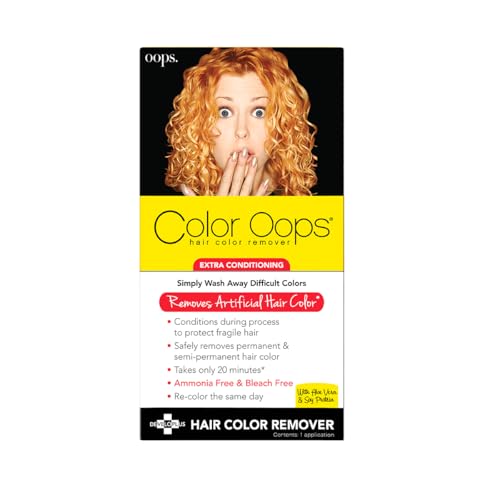
- Hair color remover kit no bleach
- Ammonia-free hair dye remover cream
- Peroxide-free hair color remover kit
- Color correction remover gel for hair no bleach
- At-home hair dye remover treatment ammonia-free
- Wide-tooth comb, timer, and a clip

Before You Start
Assess your current color and hair condition. A strand test is essential to gauge how your hair responds to the product. Perform an allergy patch test 48 hours before application if the product instructions require it. Protect skin around the ears and neck, and wear old clothing or a cape. Plan for a conditioning treatment after removing dye to restore moisture. Time ranges vary by product; read the label for exact durations. Avoid applying near the scalp if you have sensitivities.
Step-By-Step: How To Remove Hair Dye Without Bleach
- Choose a compatible remover system: select a hair color remover kit no bleach or ammonia-free hair dye remover cream based on your color level and hair type.
- Prepare your hair and workstation: detangle gently with a wide-tooth comb, create a clean workspace, and line up timers and towels.
- Perform a strand test: apply a small amount on a hidden strand, follow the product’s timing, and check for any adverse reaction or uneven fading.
- Apply the remover evenly: section hair and apply from mid-lengths to ends, then lightly coat the roots if the product instructions allow it; avoid saturating the scalp if advised.
- Set the timer and monitor: keep hair moist as directed by the product; re-wet if the formula dries to keep it active.
- Rinse thoroughly and condition: wash with cool-to-warm water, then apply the recommended conditioner to restore moisture and ease tangling.
- Assess results and repeat if needed: some formulations allow a second treatment after a waiting period if the desired shade isn’t achieved.
- Detox and nourish: use a bond-building or deep conditioning treatment a day or two after removal to support hair health.
- Protect color stability: if planning a new dye, perform a proper strand test again and follow up with a color-safe shampoo and conditioner.
- Maintenance routine: space washes to minimize damage and consider leave-in conditioners or sealants to lock in moisture.
- Seek alternatives if color remains stubborn: if the shade is still off or you notice damage, consult a professional colorist for a precise correction plan.
Troubleshooting
| Symptom | Likely Cause | Fix | Prevention |
|---|---|---|---|
| Uneven fade or blotches | Uneven product application or wrong process time | Reapply to problem areas per product guidelines | Section hair evenly and follow timing strictly |
| Excessive dryness or breakage | Over-processed or harsh formula | Limit processing time and use a rich conditioner or repair mask | Use ammonia-free or peroxide-free formulas |
| Color shifts to darker tones | Residual dye or incorrect remover choice | Try a second gentle treatment after 1–2 weeks | Test on a strand before full application |
| Skin irritation | Allergic reaction or improper patch test | Rinse immediately and discontinue use; seek medical advice if needed | Always perform patch test 48 hours before use |
| Hair feels straw-like after removal | Insufficient conditioning or over-processing | Use deep conditioning and a bond-rebuilding treatment | Follow up with a proper moisture-rich routine |
Common Mistakes
- Using bleach-based products or strong dye removers not designed for at-home use
- Skipping the strand test or scalp protection steps
- Over-processing hair with long application times
- Neglecting post-removal conditioning and repair treatments
- Ignoring product instructions or timing guidelines
Tips For Best Results
- Choose peroxide-free or ammonia-free formulas to minimize damage
- Always perform a strand test to forecast results
- Moisture is crucial after dye removal; use rich conditioners and masks
- Plan color after removal with a professional colorist if unsure about the shade
- Keep heat styling to a minimum for a few days after treatment
Call A Professional
When color correction involves multiple shades, dark-to-light transitions, or chemical damage, consider a professional. Stop and consult a salon colorist if you notice persistent patchiness, severe dryness, or scalp irritation that doesn’t resolve within a day. For those with very dark permanent dyes or unusual colors, professional tools and techniques may be required to achieve even results.
FAQ
Can I remove hair dye without bleach at home?
Yes, many at-home options use color remover kits or ammonia-free products designed to lift dye without bleach.
Are peroxide-free removers as effective as bleach?
Peroxide-free removers are gentler and can be effective for light-to-mid color corrections when used as directed.
How long does it take to see results?
Most removers require several minutes to an hour per application, depending on the product and the dye level.
Do I need to deep condition after removal?
Yes, post-removal conditioning helps restore moisture and manage frizz after processing.
Should I dye my hair again right away after removal?
Wait until hair moisture and strength are restored, and test color on a strand before applying a new shade.
Is patch testing important?
Yes, patch testing helps prevent adverse skin reactions before full application.
Can I remove semi-permanent dye completely?
Semi-permanent dyes are typically easier to remove or fade; multiple gentle treatments may be needed.
Buying Guide
When selecting a product to remove hair color without bleach, consider key factors that influence safety, effectiveness, and results. Size and packaging matter for storage and ease of use, while noise level is rarely a concern with at-home treatments but some applicators can be noisy. Look for ammonia-free or peroxide-free formulas if you have sensitive skin or dry hair. Evaluate how the product handles color correction and whether it includes a gel or cream for even application. Controls and timing options—such as adjustable processing times—help tailor treatment to your shade and hair type. Finally, think about placement and convenience: a removable cap, included gloves, and clear step-by-step instructions improve user experience. Compare products that emphasize gentleness, moisture restoration, and minimal damage. If you’re deciding between a kit and a gel or cream, choose based on your comfort level with application and your hair’s porosity. For many users, an at-home hair dye remover treatment ammonia-free provides a balanced approach to safe color removal without the harsher effects of bleach.