The odor from a guinea pig habitat is a common concern for owners. With proper cleaning routines, ventilation, and odor-control tools, a cage can stay fresh between deep cleans. This guide provides practical steps and vetted product options to reduce smells effectively while keeping the animals comfortable and healthy.
Quick Answer
Use a combination of regular cleaning, an enzyme-based cleaner designed for small animal cages, targeted deodorizing products, and proper ventilation. For persistent odors, introduce an air purifier with HEPA filtration and consider odor-control pellets as a secondary measure.
What You’ll Need
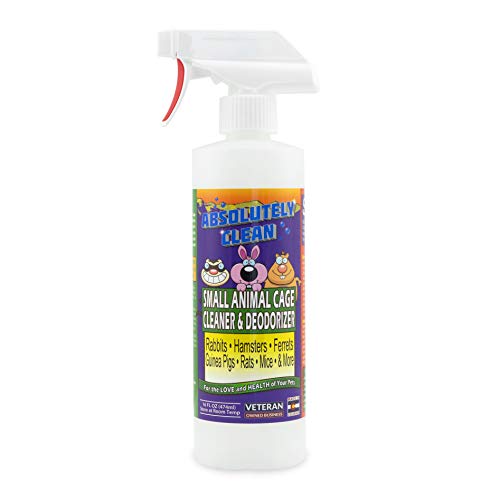
- Guinea pig cage odor eliminator spray
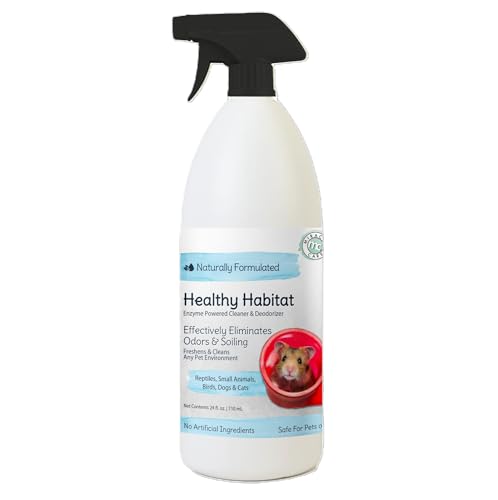
- Enzyme cleaner for small animal cages guinea pig
- Guinea pig cage deodorizer pellets odor control
- Air purifier with HEPA for small animal cage odors
- Pet odor remover for guinea pig urine

Before You Start
Prepare a clean workspace and wear gloves. Empty the cage and remove all accessories for a full wipe-down. Use warm water and a mild, pet-safe disinfectant. Ensure ventilation during cleaning and allow surfaces to dry completely before returning guinea pigs to their habitat. Time estimates range from 20 minutes for quick refreshes to 2 hours for a full deep clean.
Step-By-Step: How To Get Rid Of Guinea Pig Smell
- Remove your guinea pig and all accessories from the cage. Place them in a safe, separate area.
- Discard any soiled litter and replace with fresh litter or bedding materials as recommended for your setup.
- Rinse the cage with warm water. If necessary, use a enzyme cleaner for small animal cages guinea pig to break down organic residues.
- Spray the cage interior with a guinea pig cage odor eliminator spray, focusing on corners, perches, and the base where odors tend to linger.
- Wipe down surfaces with a clean cloth and allow everything to air-dry completely.
- Apply a light layer of guinea pig cage deodorizer pellets odor control where appropriate to absorb moisture and odors between deep cleans.
- Set up an air purifier with HEPA for small animal cage odors near the cage to capture airborne particulates and smells.
- Return the bedding, litter, and accessories, then replace your guinea pig carefully.
- Monitor the cage daily for moisture buildup and urine smells; adjust cleaning frequency as needed.
- Follow a routine schedule: quick daily spot-clean, a thorough weekly wipe-down, and a monthly deep clean.
- Consider using pet odor remover for guinea pig urine on particularly stubborn spots, following product directions.
- Periodically refresh filters or components of the air purifier to maintain maximum effectiveness.
Troubleshooting
| Symptom | Likely Cause | Fix | Prevention |
|---|---|---|---|
| Persistent urine odor after cleaning | Inadequate removal of urine-soaked bedding | Thoroughly replace bedding and use enzyme cleaner on the base | Spot-clean daily; rotate bedding materials |
| Musty smell despite cleaning | Mold or damp areas | Dry all surfaces completely; check for leaks | Improve cage ventilation and avoid over-wetting |
| Odors return quickly | Insufficient air circulation | Improve airflow; run a HEPA purifier | Place purifier near the cage and maintain filters |
| Cleaning products trigger irritation | Harsh chemicals | Switch to pet-safe enzyme cleaners and odor removers | Rinse well; ventilate during use |
Common Mistakes
- Using strong disinfectants that leave residues or odors
- Infrequent cage cleaning and overfilled bedding
- Neglecting base surfaces where urine pools
- Not addressing ventilation or air quality in the room
Tips For Best Results
- Combine enzymatic cleaners with odor-control products for optimum results
- Position an air purifier to capture circulating odors without creating drafts for your guinea pig
- Set a predictable cleaning schedule to prevent buildup
- Label and track which products are used to avoid chemical interactions
Call A Professional
If persistent odors remain despite multiple cleanings and product use, or if you notice signs of illness in your guinea pig, consult a veterinarian or avian/pet care specialist. Seek help promptly if there are cracks in the cage, persistent wet spots, or unusual symptoms in pets.
FAQ
What scents are best for guinea pig cages?
Choose fragrance-free or lightly scented, pet-safe options designed for small animals to minimize irritation.
How often should I deep clean a guinea pig cage?
Most setups benefit from a thorough weekly wipe-down and monthly deep clean, with daily spot-cleaning.
Can I use human air fresheners near a guinea pig?
No. Avoid human air fresheners as they can irritate sensitive respiratory systems.
Do odor-control pellets really work?
Yes, when used as directed, they help absorb moisture and odors between deeper cleanings.
Buying Guide
When selecting odor-control tools for a guinea pig habitat, consider these factors:
- Size and capacity: Choose products appropriate for the cage size and litter area.
- Noise level: For air purifiers, opt for quiet operation to minimize stress for the animals.
- Energy efficiency: Efficient cleaners and purifiers reduce running costs over time.
- Controls and maintenance: Simple, clearly labeled controls and easy refills improve daily use.
- Placement: Position purifiers and odor-control products to optimize airflow without creating drafts on pets.
- Compatibility: Ensure cleaners are safe for small animals and won’t leave harmful residues.
When comparing options, weigh how quickly each product neutralizes odors, ease of use, and ongoing maintenance needs. For most owners, a combo of enzymatic cleaners, deodorizing pellets, and a HEPA air purifier offers a practical, effective approach without overcomplicating care routines.