Fuzzy or frizzy hair can be a common issue, especially in humid climates or after styling with heat. This guide offers practical steps to reduce fuzz and achieve smoother, shinier hair using common tools and techniques suitable for most hair types.
From proper drying to heat protection and the right tool selection, readers will learn a clear routine to tame frizz without damaging strands. The focus is on accessible methods and reliable products that help maintain healthy-looking hair throughout the day.
Quick Answer
Limit heat exposure, use a keratin-infused smoothing flat iron for controlled straightening, and finish with a boar bristle smoothing brush for smooth distribution of oils. Add a conditioning step with a diffuser-equipped dryer to seal the cuticle and reduce frizz.
What You’ll Need
- 1 inch ceramic flat iron hair straightener frizz control
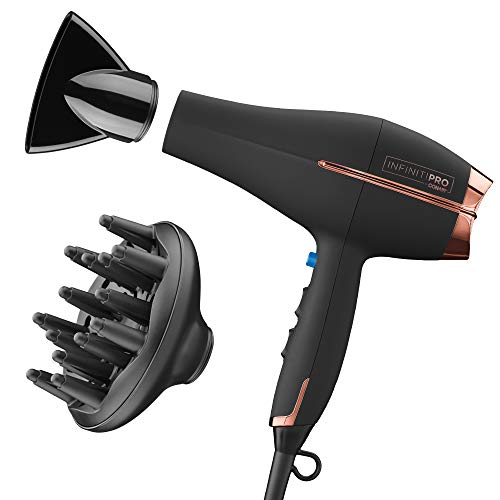
- ionic hair dryer anti frizz technology
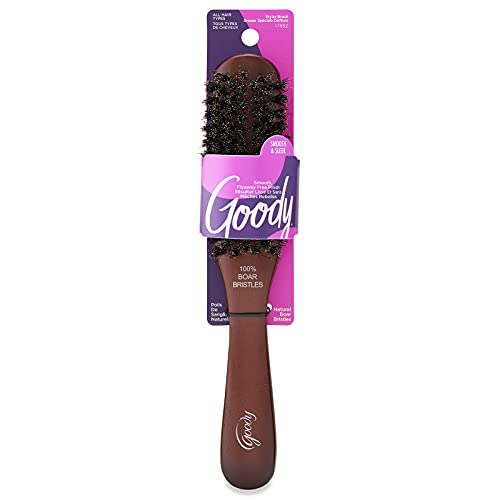
- boar bristle smoothing brush for frizzy hair
- hot air brush with diffuser frizz control
- keratin-infused smoothing flat iron

Before You Start
Assess your hair type and porosity to tailor the routine. Begin with clean, towel-dried hair and apply a heat protectant spray to minimize damage. If hair tends to weigh down easily, focus on the mid-lengths to ends rather than the roots. Time estimate for a full once-over styling session: 20–45 minutes, depending on length and texture. Important: never apply heat to damp hair and avoid high heat on damaged or chemically treated strands.
Step-By-Step: How To Get Rid Of Fuzzy Hair
- Wash with a smoothing or hydrating shampoo, then apply a lightweight conditioner from mid-lengths to ends.
- Blot excess water and use a microfiber towel to reduce friction that causes fuzz.
- Apply a heat-protectant serum or spray evenly through the length of hair.
- Section hair and begin with the keratin-infused smoothing flat iron working in small segments, using a vertical glide for flat areas and a slight tilt for smoothing flyaways.
- For ultra-frizzy roots, use the ionic hair dryer anti frizz technology on a cool or warm setting to seal the cuticle and set strands.
- Use the boar bristle smoothing brush to distribute natural oils and polish surfaces after drying or straightening.
- Finish with a light mist of anti-frizz serum to tame any remaining flyaways without weighing hair down.
- As an alternative, the hot air brush with diffuser frizz control can soften and set curls or waves while controlling fuzz, especially for curly or textured hair.
- Apply a conditioning mask weekly to maintain moisture balance and reduce fuzz formation over time.
- Touch up midday with a small amount of product on fingertips to re-smooth any stray hairs.
- Washbrush style regularly to prevent product buildup that can lead to dull, frizzy appearances.
Troubleshooting
| Symptom | Likely Cause | Fix | Prevention |
|---|---|---|---|
| Hair poofs after styling | Insufficient smoothing or heat protection | Reapply heat protectant and relayer with keratin-infused smoothing flat iron | Regular conditioning and use of smoothing tools |
| Flyaways near crown | Static or dry scalp | Use hydrating conditioner and a leave-in balm | Humidifier in dry environments |
| Hair looks dull after flat ironing | Product buildup | Clarifying wash every 2–4 weeks | Light daily styling products only |
| Frizz returns after rain/humidity | Moisture exposure | Reapply a light anti-frizz serum and use a diffuser | Protective hairstyle during humidity |
Common Mistakes
- Using too much product that weighs hair down, especially near the roots.
- Rushing with heat styling; insufficient sectioning can miss frizz-prone areas.
- Skipping heat protection, which leads to more damage and fuzzy texture over time.
- Over-drying with a towel or rough towel technique, increasing frizz through friction.
Tips For Best Results
- Choose tools with temperature controls and start at a lower heat setting.
- Maintain tool cleanliness; build-up on plates can transfer to hair and cause frizz.
- Experiment with order: sometimes drying first, then flat ironing, yields less fuzz than straightening from wet hair.
- Use a silk or satin pillowcase to reduce friction overnight.
Call A Professional
Contact a professional stylist if hair shows signs of persistent breakage, extreme damage, or if heat application results in scorching or excessive shedding. Seek help when you notice:
- Unusually brittle strands after multiple chemical services
- Severe scalp irritation from products
- Persistent inability to hold a style beyond a few hours
FAQ
Can I use a regular flat iron to reduce frizz?
Yes, a high-quality flat iron with ceramic plates and a keratin-infused formula can help minimize frizz when used properly on dry hair.
Is a diffuser necessary for frizz control?
A diffuser helps distribute heat gently and reduce direct blow-drying pressure, which often reduces fuzz on textured hair.
How often should I deep condition for frizz-prone hair?
Once a week or every other week, depending on hair health and moisture needs.
Will keratin treatments permanently stop frizz?
Keratin smoothing can significantly reduce frizz for weeks to months but requires maintenance and may not suit all hair types.
Buying Guide
When selecting tools to combat fuzzy hair, consider size, heat control, and material quality. A 1 inch ceramic flat iron with keratin-infused plates provides efficient smoothing without excessive heat. An ionic hair dryer helps reduce static and seal moisture, while a boar bristle smoothing brush can evenly distribute oils for a glossy finish. A hot air brush with diffuser offers a quick alternative for controlled styling, especially for thicker or curl-prone hair.
Size and noise are practical factors: smaller tools allow precise work on bangs and roots, while larger tools cover more surface area. Look for energy efficiency, consistent heat output, and easy-to-clean components. Controls should be intuitive, with adjustable heat levels and an automatic shut-off for safety. Think about placement: store tools in a dry, ventilated area away from moisture and heat sources. Consider a kit that includes a heat-protectant spray or serum to streamline your routine.
For those balancing time and results, a hot air brush with diffuser can streamline the process, though a flat iron with keratin-infused plates often yields longer-lasting smoothness. Compare models by how well they handle frizz across hair types, and read user reviews focusing on real-world performance in humidity and heat conditions.