Freezer frost buildup can reduce efficiency, waste energy, and make it harder to access stored food. With the right approach and the right tools, you can remove frost quickly while protecting your appliance. This guide presents practical steps and safety tips for American households.
Quick Answer
Quick Method: Unplug the freezer, remove contents, and use a combination of gentle heat and mechanical scraping to remove frost. Avoid sharp metal tools on door seals, and dry surfaces thoroughly before reloading. For stubborn ice, consider targeted defrost tools such as a silicone scraper or a hair dryer, following manufacturer safety recommendations.
What You’ll Need
- Freezer frost scraper tool
- Electric defrost heater for freezer
- Hair dryer for defrosting freezer
- Heat gun defrosting freezer
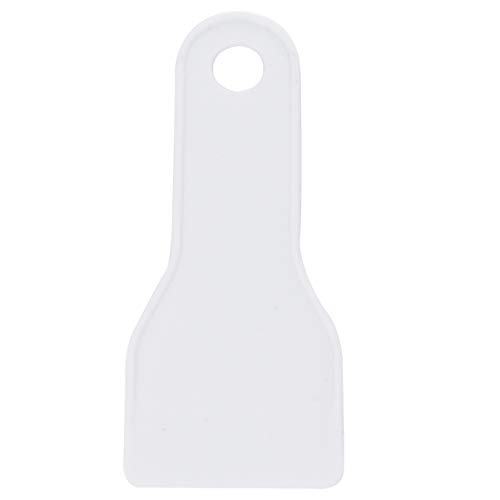
- Silicone freezer defrost scraper
- Microfiber towels or absorbent cloths
- Plastic spatula or non-metal scraper
- Soft bucket or tray for melting ice
- Gloves and safety glasses
- Ventilated workspace or fan (optional)


Before You Start
Before beginning, unplug the unit and empty all freestanding items from the freezer. Move the freezer away from walls to access the coils if needed. Allow time for the ice to soften; this reduces the risk of damaging seals. Safety note: Never use sharp metal objects that could puncture the evaporator or compromise insulation. Do not use for prolonged heat on plastic components, and avoid direct contact with electrical components when unplugged.
Step-By-Step: How To Remove Freezer Frost
- Power down and unplug the freezer, then transfer perishables to a backup cold source if needed.
- Remove shelves, drawers, and any removable accessories to expose the frost layer.
- Place towels or a shallow tray at the bottom to catch melting ice as it forms.
- Let frost soften for a short period; if using a hair dryer or heat gun, keep the nozzle at a safe distance and move constantly to avoid overheating any area.
- Gently use a silicone freezer defrost scraper to lift and slide ice away from the walls, working in small sections.
- If frost is stubborn, apply light heat with the defrost heater for freezer in the area following manufacturer guidance, or alternate with a cool-to-warm approach to avoid thermal shock.
- Continue scraping and wiping with towels until all frost melts and the interior surfaces appear dry.
- Wipe down the interior with a damp cloth to remove any residue, then dry thoroughly with a clean towel.
- Reinstall shelves and drawers, plug in the unit, and allow it to reach normal temperature before restocking.
- Check door seals for tight fit after defrosting; if seals are degraded, consider repair or replacement to prevent future frost buildup.
- Monitor for future frost accumulation and adjust temperature settings if needed to minimize condensation.
Troubleshooting
| Symptom | Likely Cause | Fix | Prevention |
|---|---|---|---|
| Frost re-forms within hours | Door left ajar or frequent opening | Close doors promptly; consider a magnetic or gasket check | Schedule defrost during low-traffic times |
| Ice builds along back wall | Vent blocked or defrost drain clogged | Clear vents and clogged drain line; ensure proper drainage | Keep freezer organized to prevent blockages |
| Excess condensation on shelves | Humidity in items or improper sealing | Wrap moist foods; reseal door gasket if needed | Maintain moderate humidity and correct temperature |
| Strange noises after defrost | Fan or compressor strain | Inspect fan blade clearance; consult a pro if noises persist | Schedule regular maintenance |
Common Mistakes
- Using metal tools that can scratch or puncture the interior or gasket
- Relying on heat sources too close to plastic components or electronics
- Rushing the process and leaving moisture behind, which promotes quick re-freeze
- Forgetting to dry the interior completely before restarting the freezer
Tips For Best Results
- Work in short, controlled passes when scraping to avoid damaging seals
- Alternate between gentle heat and scraper to minimize stress on the fridge walls
- Inspect and clean door gaskets annually to keep a tight seal
- Keep the freezer at a steady temperature around 0°F (-18°C) to reduce frost formation
- Empty and reorganize contents to allow air to circulate during defrosting
Call A Professional
Seek professional help if freezer frost recurs after a thorough defrost, if you notice water leaks or unusual noises, or if the appliance fails to maintain correct temperatures. Stop using the appliance and unplug it if you notice burning smells, melted insulation, or exposed wiring. A trained technician can diagnose gasket issues, drainage problems, or cooling system faults that require specialized tools.
FAQ
Is it safe to use a hair dryer for defrosting?
Yes, a hair dryer can speed up defrosting when used at a safe distance and with constant movement to avoid overheating plastic components.
Can I use a heat gun to defrost a freezer?
Heat guns can be effective, but they require caution to prevent damage to plastics or electrical components. Follow the device’s safety guidelines and keep a safe distance.
What is the best scraper for freezer frost?
A silicone freezer defrost scraper is gentle on surfaces and effective for lifting ice without scratching.
How long does it take to defrost a freezer manually?
Defrost times vary with frost depth, but most manual methods take 30–90 minutes. Plan for longer if frost is heavy.
Buying Guide
When selecting tools to manage freezer frost, consider size, material, and application. A combination of a silicone freezer defrost scraper and a safe heat source (hair dryer or defrost heater) often yields the best results without risking damage. Look for ergonomic handles, heat-resistant materials, and non-slip grips for comfortable, prolonged use. Noise level and energy impact are minor concerns for defrost tasks, but choosing compact, cordless tools can improve convenience. Evaluate compatibility with your freezer model and available outlet access. Finally, verify that safety features such as automatic shutoff and temperature control are present for any heat-based device.