Foundation stains on fabrics are common and can be stubborn, especially on light-colored garments. With the right approach and common stain-removal products, most makeup marks can be lifted without damaging the fabric. This guide walks through practical steps tailored for American households and typical laundry routines.
Readers will find a quick-action overview, a detailed, step-by-step method, and practical tips to prevent future staining. The focus is on using accessible products designed for foundation makeup on textiles, along with safe handling practices for different fabrics.
Quick Answer
Act fast when you spot foundation on fabric. Blot—not rub—the stain, then apply a dedicated stain remover formulated for makeup, followed by laundering as usual. For delicate fabrics, test first in an inconspicuous area and opt for gentler products.
What You’ll Need
- Makeup foundation stain remover pen for clothes fabric
- Fabric stain remover spray for foundation makeup water-based 16oz
- Pre-wash stain treatment stick for foundation makeup fabric clothes
- Laundry stain remover kit for foundation makeup on garments
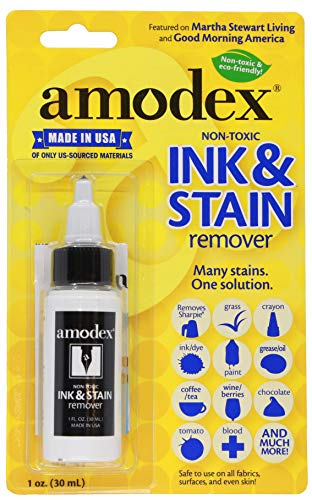
- Bottle stain remover gel for foundation stains on textiles


Before You Start
Assess the fabric type: cotton and blends usually tolerate standard stain removers, while silk or wool require gentler products. Always check care labels for washing instructions. Perform a patch test on a hidden seam with the selected product to ensure colorfastness. Time estimates vary by stain age: fresh stains respond quickly, while dried stains may need longer treatments. Never rub foundation stains aggressively, as that can embed pigment deeper into fibers.
Step-By-Step: How To Remove Foundation Stains From Fabrics
- Blot the stain with a clean cloth or paper towel to remove excess makeup without spreading it.
- Gently apply a makeup foundation stain remover pen or bottle stain remover gel directly to the stained area, following product directions.
- Let the remover sit for the recommended contact time; this helps break down oils and pigments.
- Rinse the area with cool water from the back of the fabric to push the stain out of the fibers.
- Apply a pre-wash stain treatment stick to the damp stain for additional lift if needed.
- Launder the garment according to care label instructions using the appropriate water temperature for the fabric.
- Check the stain before drying; if any trace remains, repeat the treatment rather than using heat to set the stain.
- Air dry and inspect in good lighting; if stubborn, consider repeating treatment or trying a different product from the kit.
Troubleshooting
| Symptom | Likely Cause | Fix | Prevention |
|---|---|---|---|
| Stain remains after washing | Product not effective on this fabric | Try a different remover gel or spray designed for fabrics | Test on a small area first; treat promptly |
| Color change on fabric | Improper stain remover for dye/fiber | Stop using immediately and rinse; switch to a gentler option | Always patch-test products |
| Stain spreads during washing | Rubbing or agitation | Use blotting technique and follow labels precisely | Use shorter wash cycles for delicate fabrics |
| Stain reappears after drying | Heat-set pigment | Re-treat with cold water and stain remover before air-drying | Air dry until stain is fully removed |
Common Mistakes
- Rubbing stains aggressively, which embeds pigment
- Using hot water on protein-based fabrics like silk or wool
- Skipping patch tests or using incompatible products on color-sensitive fabrics
- Waiting too long to treat stubborn foundation stains
Tips For Best Results
- Work from the outside of the stain toward the center to prevent spreading.
- Choose water-based stain removers for fabrics prone to water spotting, such as polyester blends.
- For delicate materials, place a folded cloth underneath the fabric to absorb excess and prevent dye transfer.
- If multiple products are available, alternate between a stain remover pen and a spray to maximize lift without overdosing any single treatment.
- Dry laundry in a well-ventilated area and inspect under bright light to ensure complete removal before heat exposure.
Call A Professional
Stop signs to consider a professional cleaner include persistent stains after multiple attempts, delicate textiles such as silk, or valued heirloom garments with unknown dye stability. If the fabric is highly susceptible to color loss or if you notice fabric fraying during treatment, seek expert cleaning services.
FAQ
Can I use makeup remover products not labeled for fabrics?
These products may contain substances that could damage fibers or dyes. Stick to fabric-safe removers or test a hidden area first.
Should I use hot water for foundation stains?
No. Hot water can set oil-based pigments. Use cool or lukewarm water and cold rinses when possible.
Is it okay to machine wash immediately after applying stain remover?
Yes, if the product directions approve and the care label allows it. Inspect the stain first and avoid drying if it persists.
What if the stain is old or set in?
Older stains may require multiple approaches or a combined kit method. Persistence with a sequence of treatments tends to work best.
Buying Guide
Choosing the right stain-removal products for foundation makeup on textiles depends on several factors:
- Size and convenience: Pens and sprays offer quick, spot-treatment options, while gel and stick formats provide deeper fiber penetration.
- Texture and fabric compatibility: Select products labeled safe for your fabric type; delicates require gentler formulations.
- Effectiveness: Water-based formulas work well on light to medium stains; oil-based foundations may need stronger stain removers.
- Controls and packaging: Easy-to-grip bottles or pen applicators help reduce over-application and waste.
- Placement considerations: Treat stains before laundering; pre-treat at the garment’s most stained area to improve outcomes.
For practical decision-making, consider a kit that includes a mix of products (pen, spray, and gel) to handle varied fabric needs. Always follow label directions and perform quick tests on inconspicuous areas.