Formaldehyde is a common indoor pollutant released by building materials, furniture, and some household products. Reducing its odor and improving air quality involves a combination of monitoring, purification, and source control. This guide provides practical steps that American households can take to address formaldehyde smells safely and effectively.
Quick Answer
Act quickly: identify and minimize sources, use activated carbon air purification, and employ a formaldehyde detector to track levels. Combine ventilation with odor absorbers like bamboo charcoal and maintain ongoing monitoring for best results.
What You’ll Need
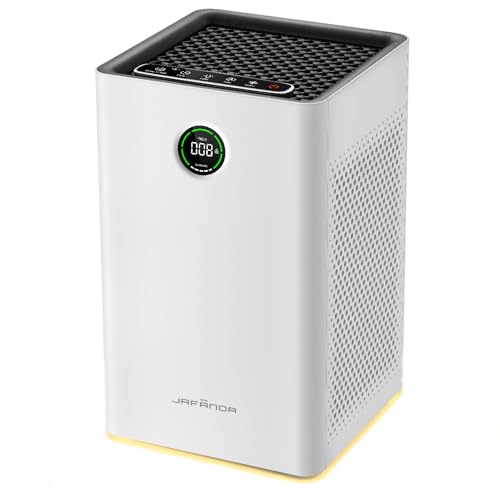
- Activated carbon filter air purifier formaldehyde removal
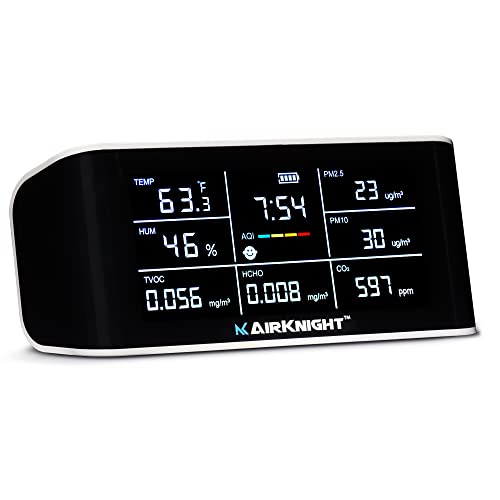
- Formaldehyde detector digital sensor
- Bamboo charcoal deodorizer bags formaldehyde odor reduction
- Ozone generator formaldehyde odor removal
- VOC absorber activated carbon sheet for indoor air purification

Before You Start
Before tackling formaldehyde smells, ensure proper safety and planning. Open windows to increase ventilation on dry days, and avoid running multiple high-odor sources simultaneously. Keep pets and sensitive individuals away from ozone generators and other aggressive treatments.
Cautions: Do not use ozone generators in occupied spaces or for prolonged periods; follow manufacturer instructions to prevent health risks. Verify that detectors are calibrated and replace batteries as needed. Expect that some sources may require weeks to see measurable odor reduction.
Step-By-Step: How To Get Rid Of Formaldehyde Smell
- Identify potential formaldehyde sources such as new furniture, pressed wood products, and fresh paints. Remove or seal items if possible to limit emissions.
- Ventilate the area by opening windows and using exhaust fans. Target spaces with high humidity or heat, which can accelerate off-gassing.
- Place an activated carbon filter air purifier in key rooms to adsorb volatile organic compounds, including formaldehyde.
- Position bamboo charcoal deodorizer bags in closets, cabinets, and near new items to absorb odors passively.
- Install a formaldehyde detector digital sensor in living areas to monitor air quality and provide real-time feedback.
- If persistent odors remain, consider VOC absorber activated carbon sheet placements on problem surfaces or behind furniture to enhance absorption.
- Keep humidity between 30–50% using a dehumidifier or humidifier as needed; extremely high humidity can slow the removal process.
- Reassess air quality after 1–2 weeks and adjust purifier placement or add additional absorbers to sustain improvements.
Troubleshooting
| Symptom | Likely Cause | Fix | Prevention |
|---|---|---|---|
| Continued strong odor after weeks | Source not controlled or hidden emissions | Move or seal sources; use targeted absorbers | Choose low-emission products; allow longer airing in new spaces |
| Detector shows high readings but odor is mild | Detector sensitivity or placement | Relocate sensor away from direct vents or near potential sources | Calibrate detector regularly |
| Odor improves but returns after reintroduction | New items brought into space | Air out new items before bringing them indoors | Source control and proper ventilation |
| Ozone generator used but no improvement | Ozone can be harmful and ineffective for some odors | Stop use and switch to non-ozone methods | Limit use to unoccupied spaces per device guidelines |
Common Mistakes
- Relying on a single method; combine purification, adsorption, and ventilation.
- Overlooking hidden sources such as flooring underlayment and pressed wood products.
- Using ozone generators in occupied spaces or for long durations.
- Disregarding detector calibration or sensor placement.
Tips For Best Results
- Pair active filtration with passive absorbers like bamboo charcoal for broader coverage.
- Place purifiers and absorbers where emissions are strongest, such as near new furniture or cabinets.
- Document changes with a formaldehyde detector to track improvements and adjust strategies.
- Schedule periodic re-evaluation every few weeks after introduction of new materials.
- Keep rooms at moderate temperatures; heat can accelerate off-gassing but excessive heat may accelerate VOC release.
Call A Professional
If formaldehyde exposure is suspected to be high or if occupants experience symptoms like headaches, eye irritation, or respiratory issues despite remediation, seek professional indoor air quality assessment. Seek immediate help if you notice severe reactions or if you have vulnerable individuals present (infants, elderly, or those with asthma).
FAQ
What is the most effective way to reduce formaldehyde smell quickly?
Increase ventilation and use an activated carbon air purifier designed for formaldehyde removal.
Can bamboo charcoal remove formaldehyde from the air?
Yes, bamboo charcoal deodorizer bags help by absorbing odors and VOCs including formaldehyde, especially in enclosed spaces.
Is an ozone generator safe for odor removal?
Ozone generators should only be used in unoccupied spaces and with caution, as ozone can irritate lungs and wood coatings.
How long does it take to notice a reduction in formaldehyde smells?
Reduction can range from several days to weeks depending on source control, ventilation, and purifier efficiency.
Buying Guide
When shopping for tools to reduce formaldehyde smells, consider several practical factors. Size matters: choose devices appropriate for the room square footage and ceiling height. Look for noise levels that fit living areas, especially in bedrooms. Energy efficiency helps keep ongoing costs manageable while running purifiers and detectors. Controls should be intuitive, with easy-to-read displays and programmable schedules. Placement matters as well; plan for optimal airflow and access to power. Compare devices that combine activated carbon filtration with formaldehyde-focused features and read independent reviews to gauge real-world performance. If space is limited, compact VOC absorbers or bags can complement larger purifiers to cover multiple zones. Finally, verify compatibility with other air-cleaning strategies, such as source control and humidity management, to maximize overall effectiveness.