Foggy windows reduce visibility, warmth, and comfort. This guide offers practical, American-friendly steps to clear condensation on car windows and interior glass surfaces, using commonly available products and safe techniques. The focus is on quick fixes and longer-term solutions that work in varied climates.
By following the steps below, readers will understand how to tackle persistent moisture, prevent future fogging, and know when to seek professional help for persistent issues. The methods are compatible with typical household windows and vehicles found across the United States.
Quick Answer
For immediate relief, wipe the glass with a dedicated anti fog spray for glass windows or car windshield defogger spray, then use a portable car dehumidifier moisture absorber or silica gel desiccant in the car or near windows. For longer-term prevention, seal gaps with a window condensation control kit insulation film and ensure proper ventilation. Regular maintenance reduces recurring fogging.
What You’ll Need
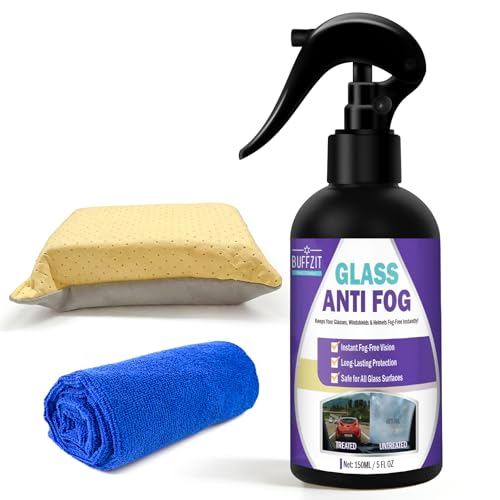
- Anti fog spray for glass windows
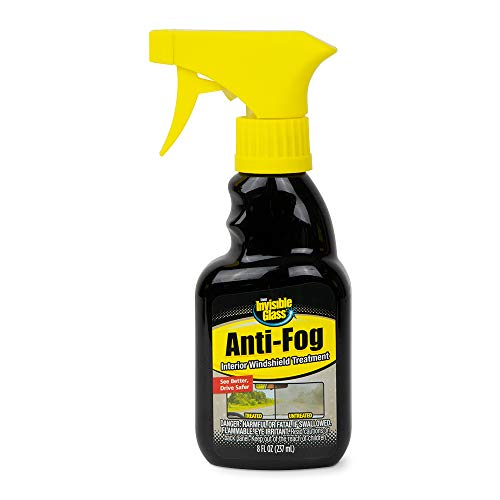
- Car windshield defogger spray 6oz
- Portable car dehumidifier moisture absorber
- Silica gel desiccant 1lb for car interior
- Window condensation control kit insulation film

Before You Start
Assess indoor and vehicle environments to identify moisture sources. Clear air vents and ensure HVAC systems are functioning. For car interiors, remove excess moisture from upholstery and carpets. In homes, check for humidity levels in the 30–50% range; use dehumidifiers in damp rooms. Safety notes: avoid spraying near electrical components, and ventilate well when applying chemicals. Time estimates vary: plan 15–60 minutes for quick fixes and several hours for film installation or conditioning the area.
Cautions: Do not mix cleaners that contain ammonia with certain window coatings. Test any spray on a small area first to prevent staining. If you have condensation on multiple sides of windows or persistent moisture after treatment, consider structural causes such as insulation gaps or airflow restrictions.
Step-By-Step: How To Clear Foggy Windows
- Dry the surface: Wipe foggy windows with a microfiber cloth to remove surface moisture before applying any treatment.
- Apply anti fog treatment: Spray a small amount of anti fog spray for glass windows on a clean, dry surface and wipe evenly. Allow to dry according to product instructions.
- Defog car windows: For vehicles, use car windshield defogger spray 6oz on the interior side and run the climate control to direct airflow across the glass. Repeat if needed.
- Use a dehumidifier: Place a portable car dehumidifier moisture absorber in the vehicle’s cabin to reduce ambient moisture levels. In homes, use a room dehumidifier in damp areas.
- Incorporate desiccants: Place silica gel desiccant 1lb for car interior in the glove box or under seats to absorb moisture. Replenish as the beads change color or after several weeks.
- Seal gaps and insulate: If fogging recurs, apply the window condensation control kit insulation film to the interior of windows. Smooth out bubbles and ensure edges are sealed.
- Ventilate regularly: Open nearby vents or use exhaust fans to improve air exchange during humid conditions to minimize fog formation.
- Maintain climate control: In cars, keep the air recirculation mode off or mixed with fresh air to reduce moisture accumulation on glass surfaces.
- Recheck and repeat: If fogging returns, repeat the cleaning and treatment steps, and reassess humidity sources in the space.
- Prevent recurrence: Schedule periodic checks of seals, weather-stripping, and window frames in the home; maintain dehumidification during peak humidity months.
- Document settings: Note the humidity level and spray reapplication schedule to build a routine for fog prevention.
Troubleshooting
| Symptom | Likely Cause | Fix | Prevention |
|---|---|---|---|
| Windows fog up after rain | High outdoor humidity seeping indoors | Use a dehumidifier and run exhaust fans; apply anti fog treatment | Improve ventilation and seal exterior gaps |
| Fog forms on mornings | Cool glass meets warm, moist air | Direct warm, dry air across glass; reapply spray | Keep humidity low and consistent |
| Recurring fog after using film | Improper film sealing or trapped moisture | Redress film edges and reapply with smooth seal | Follow film instructions carefully |
| Fog in car cabin with AC on | Imbalanced climate control | Adjust airflow and recirculation; use defog spray | Ensure cabin filters are clean |
Common Mistakes
- Overlooking ventilation: poor airflow forces moisture to linger on glass.
- Skipping surface prep: oils and dirt reduce spray effectiveness.
- Using incompatible cleaners: some products can leave residues that worsen fogging.
- Neglecting sustained humidity control: one-time fixes may fail without ongoing management.
Taking a methodical approach with preparation, treatment, and prevention reduces fogging more reliably than quick, isolated remedies.
Tips For Best Results
- Test any spray on a hidden area first to ensure no damage to coatings.
- Combine products when appropriate: anti fog sprays work well with desiccants for longer-term control.
- Maintain interior cabin air quality by replacing or cleaning air filters in vehicles and homes.
- Schedule regular checks of window seals and weather-stripping to reduce moisture intrusion.
- Keep humidity levels in living and working spaces within the 30–50% range for comfort and clarity.
Call A Professional
Seek professional help if fogging persists despite multiple treatments, or if condensation appears with signs of leaks, mold, or structural moisture. Critical situations include persistent dampness that damages walls, ceilings, or wooden frames, or if windows fail to seal after weatherization efforts. A licensed HVAC technician, glazier, or home inspector can diagnose air leakage paths and recommend remediation.
FAQ
What causes foggy windows in cars?
Fogging occurs when warm, moist air contacts cool glass, causing condensation to form on the window surface.
Can anti fog sprays damage car or home surfaces?
Most products are designed for glass, but always test a small area first and follow directions to avoid staining or coating damage.
Is a portable dehumidifier effective for cars?
Yes, a portable car dehumidifier helps remove ambient moisture inside the cabin and reduces fogging over time.
How do I prevent fogging in winter?
Improve ventilation, monitor humidity, and use dehumidifiers or desiccants to keep moisture levels down.
Buying Guide
Choosing the right tools and products to prevent or fix foggy windows depends on usage and space. Consider the following factors to make an informed purchase:
- Size and scope: For cars, compact products like windshield defogger sprays and 1lb silica gel packs fit easily in the glove box. For homes, larger desiccant packs and portable dehumidifiers cover larger areas.
- Noise level: Dehumidifiers and air purifiers vary in noise. Look for models advertised as quiet for bedrooms and offices.
- Energy efficiency: Energy Star-rated dehumidifiers save electricity during long usage periods in damp spaces.
- Controls and indicators: Simple on/off controls with humidity displays help maintain optimal conditions.
- Placement: Position dehumidifiers away from heat sources and ensure proper ventilation; use insulation film and seals near windows where applicable.
- Durability and maintenance: Reusable silica gel desiccants and washable spray bottles reduce ongoing costs and waste.
- Compatibility: Ensure products are designed for glass surfaces and are safe for automotive finishes if used inside a vehicle.
Do you want faster, more predictable results? Look for integrated kits that combine desiccants with surface treatments to address both immediate fogging and longer-term moisture control.