Fiberglass splinters can be stubborn and painful. This guide explains practical, step-by-step methods to remove fiberglass splinters safely and effectively, using common tools and purpose-built kits. It also covers prevention and aftercare to minimize future irritation.
Quick Answer
Clean the area, sterilize tools, and gently lift the splinter with precision tweezers or a splinter removal needle kit. If the splinter is embedded deeply or you can’t see it clearly, seek medical attention. Apply a sterile bandage and keep the area clean to reduce infection risk.
What You’ll Need
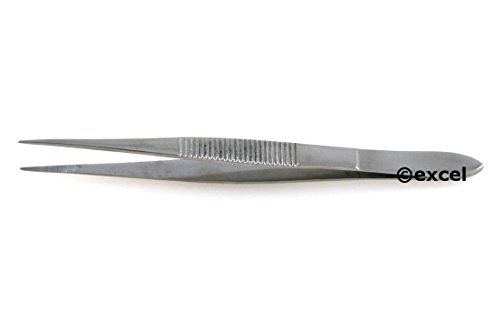
- fiberglass splinter removal tweezers fine point
- fiberglass splinter remover kit
- curved precision tweezers splinter removal
- splinter removal needle kit fiberglass
- protective gloves fiberglass handling


Before You Start
Prepare a clean workspace and wash hands thoroughly. Ensure good lighting to locate the splinter precisely. Avoid squeezing or digging at the skin, which can push the splinter deeper. If you have diabetes, poor circulation, or a compromised immune system, proceed with extra caution and consider professional removal. Plan for a few minutes of patience; rushing often worsens irritation or breaks the splinter apart.
Step-By-Step: How To Remove Fiberglass Splinters
- Wash the affected area with soap and warm water; dry gently.
- Inspect the site under bright light to locate the entire splinter.
- Put on protective gloves to prevent skin irritation and keep the area clean.
- Choose the right tool: a fine-point tweezers, curved precision tweezers, or a splinter removal needle kit fiberglass.
- Sterilize the tool with rubbing alcohol before use.
- Gently lift the visible end of the splinter with a precise tool, applying minimal pressure.
- If part of the splinter remains, use a sterilized needle to tease it out along its natural grain.
- Cleanse the area again after removal and apply a sterile bandage; monitor for redness or swelling.
Troubleshooting
| Symptom | Likely Cause | Fix | Prevention |
|---|---|---|---|
| Redness persists beyond 24 hours | Residual splinter fragment or infection | Re-examine with a magnifying light; remove fragment if visible; seek medical care if uncertain | Keep area clean; wash hands before touching |
| Splinter broken during removal | Splinter not fully visible or too brittle | Do not dig deeper; use appropriate tools to re-surface and remove | Work slowly with steady hands |
| Intense pain or swelling | Infection or deep embedding | Consult a clinician | Cleanliness and prompt care |
| Allergic skin reaction | Glove or tool material | Rinse and avoid the offending material; consider hypoallergenic options | Use clean, skin-safe products |
Common Mistakes
- Using dull tools that crush the splinter instead of lifting it
- Trying to remove a deeply embedded or painful splinter without proper lighting
- Underestimating the importance of sterilization, which raises infection risk
- Skipping cleaning and bandaging after removal, allowing bacteria to enter
Tips For Best Results
Work in a well-lit area and consider using a loupe or magnifying glass for tiny splinters. If you cannot see the entire splinter, do not force removal; instead, soften the skin with warm water so the splinter may come out more easily. Keep a small supply of sterile adhesive bandages and antiseptic wipes nearby for post-removal care. For repeated exposure to fiberglass, wear protective gloves during handling and cleaning tasks.
Call A Professional
Seek professional help if any of the following apply: the splinter is deeply embedded, there is severe pain, signs of infection appear (increasing redness, warmth, swelling, or pus), or you cannot locate the entire splinter. Individuals with diabetes, poor circulation, or compromised immune systems should consider seeing a clinician early if a fiberglass splinter is suspected.
FAQ
What is the safest tool for removing a fiberglass splinter?
Fine-point tweezers or a sterilized splinter needle kit fiberglass are commonly used for precise removal.
Can I remove a fiberglass splinter at home?
Yes, if the splinter is visible, not deeply embedded, and you follow sterile practices. Seek medical help if removal is difficult or painful.
What should I do after removing a splinter?
Cleanse the area with soap and water, apply an antiseptic, and cover with a sterile bandage until the skin heals.
How can I prevent fiberglass splinters in the future?
Wear protective gloves fiberglass handling during tasks that involve fiberglass and keep work areas clean and well-lit to reduce exposure and skin contact.
Is there a risk of infection from a fiberglass splinter?
Yes, if the wound is not kept clean or if the splinter is contaminated; monitor for redness, swelling, or discharge.
When should I see a doctor for a fiberglass splinter?
If the splinter is deeply embedded, painful, or shows signs of infection, or if you have underlying health conditions that affect healing.
Buying Guide
Choosing the right tools for fiberglass splinter removal involves considering tool type, precision, and comfort. Look for a dedicated splinter removal kit or a set with fine-point tweezers and curved precision options to reach awkward angles. A curved tip can help lift splinters under the skin without causing additional trauma. Prioritize sterile, rust-resistant materials and easy-to-clean components. When selecting gloves, choose breathable, chemical-free options to minimize skin irritation during handling. For households with children or multiple workers, having a dedicated fiberglass handling kit and spare protective gloves can streamline safety and hygiene.