Egg odors in a vehicle can be stubborn due to lingering sulfur compounds that cling to fabrics, carpet, and ventilation systems. A practical approach combines ventilation, targeted cleaning, and odor neutralization to restore the car’s fresh smell. This guide outlines a clear, step-by-step method using consumer-grade tools designed for automotive use.
Follow these steps to remove the odor effectively and minimize reoccurrence. The focus is on safe cleaning, deodorization, and eliminating the source of the smell.
Quick Answer
Act quickly to ventilate and clean the affected areas. Use an enzyme cleaner on upholstery and carpets, followed by a targeted odor remover or air purification method. If the odor persists, consider a dedicated odor treatment tool designed for cars, such as a 12V portable ozone generator or HEPA/carbon filter air purifier, but operate them only in unoccupied spaces and follow safety guidelines.
What You’ll Need
Below is a practical set of tools and products to tackle egg odors in a car. Use the following list as a baseline; adapt to your vehicle’s interior and its specific materials.
- 12V portable car ozone generator odor remover
- Automotive odor neutralizer enzyme cleaner spray for upholstery
- 12V car air purifier with HEPA carbon filter
- Car interior deodorizer vent clip plugin
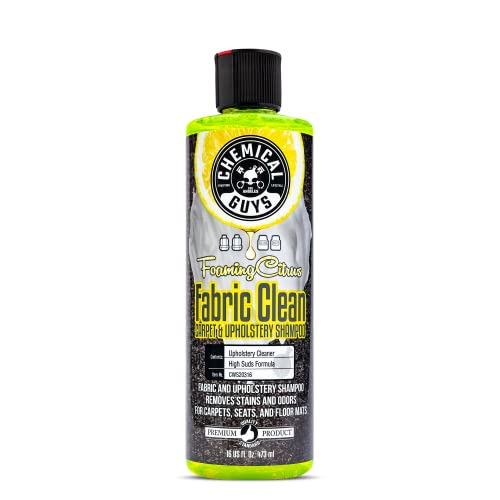
- Auto detailing odor remover enzyme cleaner for carpets seats


Before You Start
Before beginning, ensure you have a safe, well-ventilated area and a clear interior to work with. Do not use ozone generators in occupied vehicles; operate them with doors and windows open or in a garage with the car off and people away. Wear gloves and a mask if you’re sensitive to odors or cleaning chemicals. Test cleaners on a small, inconspicuous area of upholstery or carpet to avoid discoloration. Plan for a time window of 1–3 hours depending on the severity of the odor and the cleaning method chosen.
Step-By-Step: How To Remove Egg Odors From Your Car
- Ventilate the vehicle by opening doors and windows to dissipate initial odors and allow fresh air to circulate.
- Remove and vacuum all removable fabric components (floor mats, seat covers if applicable) to extract moisture and particulates that may trap odors.
- Apply the automotive odor neutralizer enzyme cleaner spray for upholstery to affected seats, headrests, and upholstery seams. Allow the cleaner to dwell as directed to break down organic compounds.
- Treat carpets and fabric floor mats with the auto detailing odor remover enzyme cleaner designed for carpets and seats. Scrub gently with a brush to lift odors from fibers, then blot with clean towels.
- For persistent odors, use a 12V portable car ozone generator odor remover in a safe, unoccupied space according to the device’s instructions. Run for a brief period, then air out thoroughly before re-entering the vehicle.
- Install or activate a 12V car air purifier with HEPA carbon filter to continuously capture remaining particles and neutralize odors during daily use.
- Place car interior deodorizer vent clip plugin in a central location to deliver a light, ongoing scent that isn’t overpowering while the car is in use.
- Re-clean high-odor zones (driver’s footwell, cargo area if relevant) and repeat enzyme cleaning if necessary to ensure complete deodorization.
- Allow surfaces to dry fully before driving; reintroduce occupants gradually to verify odor reduction.
- Dispose of cleaning waste properly and store tools in a clean, dry place to prevent recontamination.
- For ongoing prevention, periodically use the vent clip deodorizer and keep mats and upholstery clean and dry to reduce future odor buildup.
Troubleshooting
| Symptom | Likely Cause | Fix | Prevention |
|---|---|---|---|
| Odor returns after cleaning | Odor compounds embedded in carpet or foam | Re-treat with enzyme cleaner; re-apply odor neutralizer | Ensure complete drying; consider deeper cleaning or replacement of affected mats |
| Musty or sulfur smell remains after ozone treatment | Ozone generator was used while vehicle occupied or insufficient airing | Repeat with proper safety; run in unoccupied space and ventilate well afterward | Only use ozone when empty; follow device instructions precisely |
| Purifier not reducing odor | Filter saturation or incorrect placement | Replace HEPA carbon filter; position purifier to optimize airflow | Regular filter maintenance |
| Discoloration or staining after cleaners | Cleaner unsuitable for fabric | Test on hidden area; switch to fabric-safe products | Always patch-test first |
Common Mistakes
- Using too much cleaner on delicate fabrics, leading to residue and staining
- Rushing the drying process, which traps moisture and odors
- Relying solely on air fresheners without treating the odor source
- Using ozone generators without proper ventilation or in occupied spaces
Tips For Best Results
- Act quickly to prevent the odor from setting in fabrics and foam
- Follow cleaner dwell times and test patches to prevent damage
- Combine enzymatic cleaners with mechanical cleaning (vacuuming, brushing) for better results
- Use a HEPA carbon filter air purifier to reduce ongoing odors and particulates
Call A Professional
Consider professional detailing if odors persist after at-home treatments or if the smell is strongly embedded in the carpet padding or headliner. Stop use and seek expert help if you notice mold growth, persistent fumes, or suspected biohazards. A professional can perform deep cleaning and advanced deodorization safely and effectively.
FAQ
Can I use household cleaners to remove egg odors from car upholstery?
Household cleaners may work temporarily but are not designed for automotive fabrics. Use enzyme cleaners formulated for upholstery and carpets to ensure safe and effective odor removal.
Is it safe to run an ozone generator in a car?
Ozone generators should only be used in unoccupied spaces. Prolonged exposure to ozone can irritate lungs and eyes; always follow the manufacturer’s safety guidelines.
How long does odor removal usually take?
Most cases can be addressed in 1–3 hours, depending on odor strength and the cleaning methods used. Some stubborn odors may require repeated treatments.
Will vent clip deodorizers cover the smell?
Vent clip deodorizers add a pleasant scent but do not eliminate underlying odor sources. Use them in conjunction with cleaning and deodorization methods.
Should I replace my car mats after an egg odor?
If mats are heavily saturated or stained, replacement can be more effective than removal. Otherwise, cleaning mats with an enzyme cleaner is often sufficient.
Do I need professional help for persistent odors?
Yes, if odors persist after multiple at-home treatments or involve mold or water damage, a professional detailer can provide advanced deodorization services.
Buying Guide
When choosing odor control tools for a car, consider how each factor affects performance and ease of use. The right combination can deliver reliable results without excessive costs or complexity.
Size and portability: A compact ozone generator or small car air purifier is easier to deploy in tight spaces. Ensure the device fits your vehicle’s interior and power outlet configuration.
Noise level: Some purifiers and ozone units produce noticeable noise. Look for devices with quiet operation or adjustable settings to avoid driver distraction.
Energy efficiency: 12V devices should have reasonable draw and not strain the car’s electrical system. Check wattage and auto shutoff features for safety.
Controls and indicators: Simple, intuitive controls reduce the risk of misuse. Look for clear LED indicators for ozone generation and filter status.
Placement: For purifiers, place the unit where airflow is unobstructed and covers the main cabin area. For vent clip deodorizers, position away from direct sunlight and heat sources for consistent release.
Filtration and odor chemistry: HEPA filters capture particulates, while activated carbon helps neutralize volatile organic compounds. A combination improves overall odor control.
Maintenance: Replace filters on schedule and store enzymes cleaners properly. Regular maintenance reduces long-term odors and extends device life.
Multi-tool compatibility: If possible, select products that can work together—enzymes for fabrics, odor absorbers for ambient air, and gentle purifiers for daily use—to create a comprehensive system.
Warranty and safety: Review device warranties and safety certifications. Ensure products are designed for automotive use and come with clear safety instructions.
With the right combination of odor removal tools and cleaning practices, egg odors can be eliminated effectively. Does your car’s interior require a targeted enzyme treatment, a purifier, or a combination of both to restore freshness?