Dye stains can surprise you at home, from fresh spillovers to old set-in marks. This practical guide explains how to identify dye stains, choose the right products, and follow a safe removal process across fabrics and surfaces. The steps prioritize common household tools and widely available stain removers to help American households restore fabrics and upholstery with confidence.
Quick Answer
Immediate blotting with a clean cloth, then treat with a dye-specific remover chosen for the fabric. Start with gentle products for delicate materials and escalate to stronger formulas only if needed. Always test a hidden area first. For upholstery, use a spray designed for dye stains and follow with a microfiber cloth for best results.
What You’ll Need
- Fabric dye stain remover pen (targeted spot treatment for fabrics)
- Color-safe laundry stain remover gel 16oz (general stain fighting power for clothes)
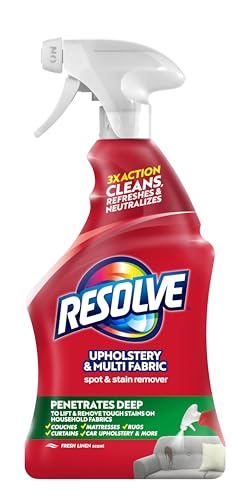
- Stain remover spray for dye stains on upholstery (surface fabric and furniture)
- Dye stain remover powder for clothes whitening (powder form for tougher marks)
- Microfiber cleaning cloth for dye stain removal (gentle, lint-free blotting and wipe-down)


Before You Start
Assess the stain type and fabric. Protein-based dyes on natural fibers (like cotton) respond differently from synthetic fabrics. Always start with a small, inconspicuous area to check colorfastness. Read product labels to confirm compatibility with the material and colorfastness. Avoid heat until a stain is fully removed, as heat can set dye. Time estimates: 15–45 minutes for spot treatment, up to 2 hours for deeper or set stains.
Critical cautions: do not rub vigorously, which can embed dye further; test first in an inconspicuous spot; avoid bleach on colored fabrics unless specified.
Step-By-Step: How To Remove Dye Stains
- Blot excess dye with a clean microfiber cloth; do not rub — this helps prevent spreading the stain.
- Apply the fabric dye stain remover pen directly to the stained area. Gently dab and let sit for 3–5 minutes to prebreak the pigment.
- For fabrics that tolerate water, apply a small amount of color-safe laundry stain remover gel 16oz and work it in with a soft brush or cloth. Let sit 5–10 minutes.
- Rinse or blot with clean water, then blot dry with the microfiber cloth. Repeat as needed for light to moderate stains.
- If the stain persists on clothing, sprinkle a small amount of dye stain remover powder for clothes whitening on the damp area, work it in, and launder as usual following garment care labels.
- For upholstery, spray a light mist of stain remover spray for dye stains on upholstery onto the stained area. use a second microfiber cloth to blot and lift the dye. Avoid soaking the fabric.
- Rinse the treated area with a damp cloth and blot dry. If dye remains, repeat the spray treatment and blotting step.
- Allow to air dry completely. Avoid heat until the stain is fully removed to prevent setting the dye.
- Test in a hidden corner of the fabric again after drying to ensure colorfastness before any further cleaning.
Troubleshooting
| Symptom | Likely Cause | Fix | Prevention |
|---|---|---|---|
| Stain remains after washing | Colorfastness issue or insufficient treatment | Repeat the corresponding treatment (pen, gel, or powder) and launder again | Always test colorfastness first; treat promptly |
| Faint halo after drying | Residual dye in fibers | Spot-treat with the appropriate remover again and blot gently | Work from outside in toward the center to avoid spreading |
| Fabric stiffening or residue | Product residue on dense fabrics | Rinse with a damp cloth and repeat blotting until clean | Use smaller amounts of remover and fully rinse |
| Color bleeding on delicate fabrics | Aggressive cleaning or wrong product | Switch to a milder formula or consult care label | Choose a dye remover designed for delicate fabrics |
Common Mistakes
- Using hot water or heat before fully removing the dye, which can set the stain.
- Rubbing vigorously, which spreads pigment and roughens fibers.
- Applying multiple products at once, causing chemical interaction or fabric damage.
- Ignoring fabric care labels and trying to treat everything the same way.
Tips For Best Results
- Test any product on a hidden area before full application.
- Act quickly; fresh dye stains are easier to remove than set-in stains.
- Use the right product for the surface: fabrics vs upholstery vs delicate materials.
- Work from the outside edge toward the center to prevent spreading the stain.
- For stubborn stains, repeat treatment rather than applying multiple products at once.
Call A Professional
Consider calling a professional if the dye stain covers a large area, affects a valued heirloom upholstery, or if the fabric is antique or delicate. Seek professional cleaning guidance when the stain resists typical treatments, or if the textile care label recommends professional service.
FAQ
Can I use dye stain removers on all fabrics?
Most dye stain removers are formulated for common fabrics, but always check the product label and test on an inconspicuous area first.
Is heat ever acceptable during stain removal?
Avoid heat until the stain is fully removed, as heat can set dye into fibers.
Should I launder clothing after applying a dye remover pen?
Yes, follow with a normal wash cycle if the garment’s care label allows and if the spot remover is designed for laundry use.
What if dye stains come from colored pens or markers?
Target with a dye-specific remover and use a color-safe gel for fabrics, then launder as advised on the label.
Buying Guide
When choosing products to combat dye stains, consider size, effectiveness, and compatibility with fabrics and surfaces. Look for a combination approach that covers both spot removal and full washes to maximize results.
- <bSize and packaging: For quick touch-ups, a pen is convenient; for larger areas, a gel or powder may be more efficient.
- <bNoise and convenience: Sprays and gels are typically quick and easy to use, while powders require mixing and more immediate washing.
- <bColor safety and fabric compatibility: Color-safe options are typically gentler on colored fabrics and blends.
- <bControls and directions: Choose products with clear, step-by-step instructions and visible safety warnings.
- <bPlacement considerations: For upholstery, prioritize a spray designed for fabric surfaces; for clothing, rely on gels or pens that are tailored for textiles.
Evaluating these factors helps ensure the chosen products work well for common dye stain scenarios in American households. If unsure, start with a pen or a color-safe gel on a small area and observe results before expanding to larger stains.