Dealing with dumpster odors is a common neighborhood concern, especially in warm months. A practical approach combines ventilation, filtration, deodorization, and routine maintenance. This guide outlines proven steps to reduce smell, improve air quality, and keep your dumpster area more pleasant for nearby residents and workers.
Quick Answer
Quick Method: Use a combination of outdoor venting, carbon filtration, and odor absorbers. Start with an outdoor deodorizing vent fan to push air away, add a portable air scrubber with carbon filter for localized odor control, and supplement with baking soda-based deodorizers. For persistent odors, consider an outdoor ozone-based solution only in unoccupied, properly ventilated areas and per safety guidelines.
What You’ll Need
The following tools and products are recommended to tackle dumpster odors efficiently. The list prioritizes items that specifically address outdoor trash odors and filtration.
- Portable air scrubber with carbon filter for dumpster odors
- Activated carbon air purifier for outdoor trash odors
- Outdoor deodorizing vent fan for dumpster enclosures
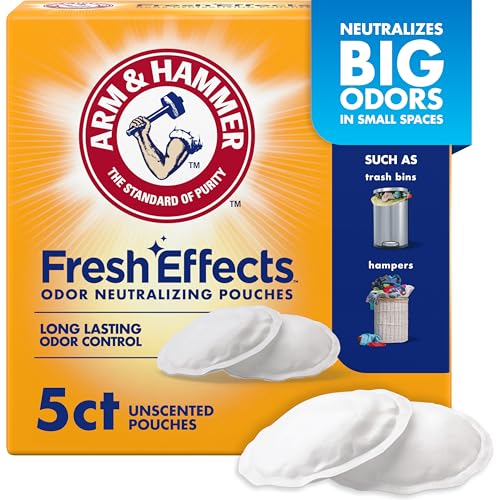
- Trash can deodorizer with baking soda insert
- Ozone generator odor eliminator industrial use


Before You Start
Assess the dumpster area for airflow and enclosure design. Identify entry points for odors and plan placement of a vent fan or filtration devices to maximize cross-flow. Always follow safety guidelines when using ozone generators, and never operate them in occupied spaces; ensure adequate ventilation and disable in the presence of people or animals. Allocate 1–3 hours for setup and initial odor assessment, with a follow-up check after 24–48 hours.
Step-By-Step: How To Get Rid Of Dumpster Odors
- Position the outdoor deodorizing vent fan at the top or the most effective exhaust point of the dumpster enclosure to pull and redirect air away from the surrounding area.
- Install the portable air scrubber with carbon filter close to the dumpster to capture volatile compounds as air circulates.
- Place the activated carbon air purifier for outdoor trash odors in a spot with good air intake and minimal wind obstructions to maximize filtration efficiency.
- Insert baking soda-based deodorizer canisters or drawers inside the trash can or near the lid area to neutralize recurring odors.
- Schedule regular deodorizer checks and replacements, especially during peak odor periods, to maintain effectiveness.
- If persistent odors remain, run the ozone generator odor eliminator only in unoccupied areas and according to the manufacturer’s safety instructions, ensuring area evacuation during operation.
- Combine filtration with routine cleaning: rinse dumpsters, remove leachate early, and seal bags tightly to reduce odor sources.
- Clean enclosure surfaces with a mild, non-residual cleaner to remove residues that attract odors.
- Consider adding a odor-control mat or liner to the dumpster base to trap smells at the source.
- Review local guidelines on odor control and emissions to ensure compliant operation of devices like ozone generators.
- Monitor weather conditions: high heat and humidity intensify odors, so adjust fan and filtration intensity accordingly.
- Document odor levels before and after interventions to optimize future odor management efforts.
Troubleshooting
| Symptom | Likely Cause | Fix | Prevention |
|---|---|---|---|
| Odor persists after setup | Insufficient air flow or filter saturation | Check fan placement, replace carbon filters, increase filtration time | Schedule regular filter changes and ensure unobstructed airflow |
| Unpleasant smell returns during heatwave | High ambient temperature speeds odor release | Run filtration more frequently, clean enclosure, and ensure lids seal tightly | Use baking soda inserts and absorbent liners |
| Ozone generator not running | Electrical or safety interlock issue | Verify wiring, follow safety interlocks, consult manual | Only operate when unoccupied and in accordance with local rules |
| Vent fan seems weak | Blocked vent or incorrect placement | Clear any debris, reposition for optimal airflow | Inspect vents quarterly for blockages |
Common Mistakes
- Relying on a single odor control method instead of combining ventilation and filtration
- Installing equipment without considering prevailing winds and enclosure layout
- Using ozone generators without proper safety safeguards and timing
- Neglecting regular cleaning and bagging practices that create ongoing odor sources
Tips For Best Results
- Coordinate odor control with trash collection schedules to minimize odor buildup
- Place carbon filtration devices where they have the clearest air intake and exhaust paths
- Line dumpsters with odor-absorbing liners or baking soda sachets for ongoing neutralization
- Maintain a routine of enclosure cleaning and bag sealing to reduce odor sources
- Document effectiveness to adjust device placement and maintenance intervals over time
Call A Professional
Seek professional help if odors persist despite multiple interventions, or if installation involves electrical work, venting litigation, or ozone-based systems. Stop and consult a pro when:
- There are repeated odor complaints from neighbors
- Ventilation needs modifications to building codes or safety standards
- Large-scale industrial-grade equipment is considered for permanent installations
FAQ
Is it safe to use an ozone generator outdoors near dumpsters?
Yes, outdoors and in unoccupied areas with proper safety procedures, but never in occupied spaces and always follow manufacturer guidelines.
How often should I replace carbon filters for dumpster odor control?
Check manufacturer recommendations, but start with every 3–6 months depending on usage and odor intensity.
Can baking soda alone control dumpster odors?
Baking soda helps absorb odors, but it is most effective when combined with filtration and ventilation.
What maintenance schedule works best for dumpster odor systems?
Implement a weekly quick check during warm months and a monthly in-depth inspection year-round.
Buying Guide
When selecting odor control equipment for dumpster areas, consider size, noise, energy use, and placement. A practical approach often blends filtration (carbon-based), active ventilation, and safe odor absorbers to cover both immediate and residual odors. Below are key factors to weigh:
Size and Coverage
Choose devices sized for the dumpster enclosure volume. Larger spaces benefit from multiple filtration units or higher-capacity scrubbers to ensure even air treatment.
Noise Level
Outdoor setups should minimize noise impact on nearby properties. Look for units with low decibel ratings or adjustable speed settings for off-peak operation.
Energy Efficiency
Opt for energy-efficient fans and filters. Models with automatic speed adjustments help conserve electricity while maintaining odor control during variable waste generation.
Controls and Automation
Consider programmable timers or smart controls that align with trash collection schedules. Automated on/off and sensor-based activation streamline operations and reduce waste.
Placement and Integration
Plan for optimal airflow: avoid placing equipment behind walls that trap odors. Ensure weatherproof mounting and accessible maintenance access.
Cost of Ownership
Evaluate initial costs against ongoing filter replacements, energy use, and maintenance requirements. The cheapest option may incur higher long-term expenses if filters need frequent changes.
Maintenance Requirements
Check whether filters are readily replaceable, whether devices require professional servicing, and if there are recommended cleaning intervals for enclosure surfaces.
Durability and Weatherproofing
Outdoor devices should be rated for external use, with appropriate seals and corrosion resistance to withstand exposure to moisture and temperature changes.
Environmental and Safety Compliance
Ensure equipment adheres to local environmental regulations and safety guidelines, especially for any ozone-based solutions.