Drain gnats, also known as sewer or drain flies, can become a persistent nuisance in bathrooms and kitchens. They breed in organic buildup in drains, traps, and pipes, so effectively addressing both adults and larvae is essential. This guide provides practical, step-by-step methods using common tools and safe cleaners to reduce populations and prevent future infestations.
Quick Answer
Start with a physical cleanout of the drain using a flexible drain cleaning brush or a drain auger snake to remove buildup. Follow with an enzyme-based cleaner to digest organic matter and a targeted drain fly trap for ongoing monitoring. Maintain with regular cleanings and consider a plug-in or standing trap to capture adults.
What You’ll Need
- Drain fly trap for bathroom with bait
- Enzyme-based drain cleaner for organic buildup
- Flexible drain cleaning brush stainless steel
- Drain auger snake 25 ft
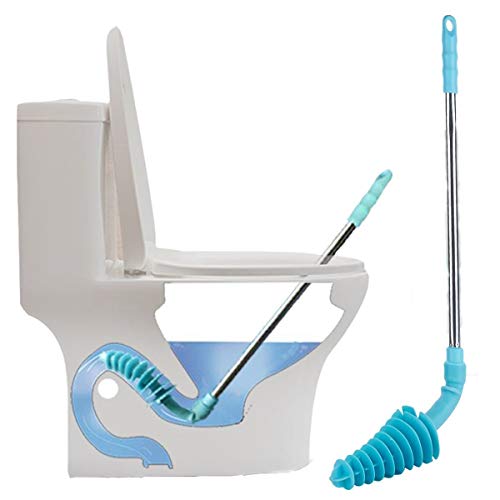
- Urinal/bathroom drain clog remover plungers with flexible head


Before You Start
Assess all potential breeding sites: bathroom sinks, tub/shower drains, and occasionally floor drains. Remove standing water where possible and ensure proper ventilation. Safety note: wear gloves and eye protection when using cleaners or plungers, and avoid mixing chemical cleaners with abrasive agents. Time estimate: 60–180 minutes for initial deep clean, plus ongoing monitoring over the next week.
Step-By-Step: How To Eliminate Drain Gnats
- Identify affected drains and remove standing water; this reduces adult attraction and larval habitat.
- Pour a small amount of hot water or use a sink plunger to dislodge surface gunk in the drain.
- Fit the flexible drain cleaning brush stainless steel into the drain and twist to break up organic buildup along the walls.
- Use the 25 ft drain auger snake to extend beyond the trap area and clear deeper clogs; rotate and retract slowly.
- Apply the enzyme-based drain cleaner for organic buildup according to label directions; the enzymes digest organic matter where gnats breed.
- Let the enzyme cleaner sit for the recommended dwell time, then flush with plenty of hot water to rinse debris.
- Place the drain fly trap for bathroom with bait near the drain outlet to attract and capture adult gnats; keep traps in place for several days.
- Repeat enzyme treatment weekly for 2–3 weeks to address residual buildup and larvae.
- Check for other breeding sites such as floor drains or rarely used sinks; repeat steps as needed in those locations.
- Install a simple drain cover or grid when not actively cleaning to reduce new gnats from entering the drain system.
- Maintain a regular cleaning schedule: monthly enzyme treatment and periodic brushing to prevent reoccurrence.
- Monitor results and adjust the routine if gnats persist or migrate to other fixtures.
Troubleshooting
| Symptom | Likely Cause | Fix | Prevention |
|---|---|---|---|
| Many gnats despite cleaning | Undetected breeding in another drain | Inspect all bathroom drains and repeat cleaning cycle | Regular monthly enzyme maintenance |
| Bad odor after cleaning | Organic mass remaining in pipe | Reapply enzymatic cleaner and flush thoroughly | Prevents buildup with routine flushing |
| Traps catching few insects | Trap effectiveness wanes; larvae remain | Increase trap placement; pair with deep cleaning | Keep traps active during high-traffic periods</ |
| Clog reappears quickly | Partial clearance; root or heavy buildup | Use auger deeper into line; consider professional inspection | Long-term preventive maintenance |
Common Mistakes
- Relying solely on traps without addressing the root breeding sites
- Using harsh chemical cleaners without proper ventilation or mixing hazards
- Skipping the enzyme-based cleaners after initial flushes
- Ignoring secondary drains in the bathroom or kitchen
Regular maintenance is more effective than one-time cleaning. A combination of mechanical cleaning, enzymatic digestion, and monitoring traps yields the best results.
Tips For Best Results
- Schedule enzyme treatments during off-peak bathroom use times to maximize dwell time.
- Place traps at the drain outlets and near the overflow to capture adults before dispersal.
- Use hot water in a steady stream when flushing drains to help carry debris away.
- Inspect shower drains and tub traps often, as standing water can sustain gnats longer.
- Keep bathroom surfaces clean and free of organic residues that can contribute to buildup.
Call A Professional
Seek professional help if gnats persist after 2–3 weeks of combined mechanical cleaning and enzymatic treatment, or if there are multiple drains with ongoing issues. Signs that require expert evaluation include persistent foul odors, frequent clogs, or suspected sewer line problems like backup into fixtures.
FAQ
What attracts drain gnats to my bathroom?
Drain gnats are attracted to moist organic material in drains, such as soap scum, hair, and food residues that accumulate in traps and pipes.
Do enzymatic cleaners really work against drain gnats?
Yes, enzyme-based cleaners digest the organic buildup that supports larval development, reducing breeding sites over time.
How often should I run a drain fly trap?
Keep traps in place for continuous monitoring for several weeks and replace as directed by the product instructions.
Can I use more than one type of cleaner at once?
Avoid mixing cleaners aggressively; follow label instructions and avoid combining enzymatic cleaners with certain chemical products.
Is it safe to use a drain auger snake myself?
Yes, with caution. Be gentle to avoid damaging pipes and wear gloves; if resistance is encountered, stop and reassess.
Are floor drains a common gnats source?
Yes, floor drains can harbor organic buildup; inspect and clean them as part of the same maintenance routine.
When should I call a professional for drain gnats?
When infestations persist after repeated treatments or when plumbing may be compromised, professional assessment is advised.
Buying Guide
Choosing the right tools and products helps ensure long-term control of drain gnats. Consider these factors when shopping:
- Drain fly trap for bathroom with bait effectiveness and placement options; opt for traps with clear attractants and easy-to-empty design.
- Enzyme-based drain cleaner for organic buildup safety, digesting power, and compatibility with septic systems; choose products labeled for bathroom drains.
- Flexible drain cleaning brush stainless steel for reaching around bends and curbs; look for stiff bristles and a flexible shaft.
- Drain auger snake 25 ft length provides reach for deeper clogs; choose a corrosion-resistant model with a comfortable grip.
- Urinal/bathroom drain clog remover plungers with flexible head for tough blockages and delicate fixtures; ensure the head is designed for bathroom drains.
Compare these tools based on build quality, ease of use, and how well they fit your bathroom layout. For households with multiple bathrooms, a versatile kit that includes both enzymatic cleaners and mechanical tools offers the best coverage. Consider storage space, warranty, and product reviews when making a selection.