Drain bugs, often small flies that hover around kitchen and bathroom drains, can be a nuisance and signal organic buildup inside pipes. This guide provides practical, American-friendly steps to reduce and eliminate drain flies using common plumbing tools and safe best practices. Clear drainage and proper sanitation are the first lines of defense, followed by targeted cleaning and maintenance.
With a systematic approach, homeowners can address the root causes of drain fly infestations, minimize odors, and prevent recurrence. The methods below emphasize accessible tools and routine upkeep that fit typical household plumbing setups.
Quick Answer
Identify the source by inspecting drains, seals, and nearby traps; clean thoroughly with appropriate tools; eliminate standing moisture and organic buildup; maintain routinely to prevent re-infestation. If infestation persists, consider professional assessment.
What You’ll Need
- Plumber’s snake drain auger 25 ft for sinks
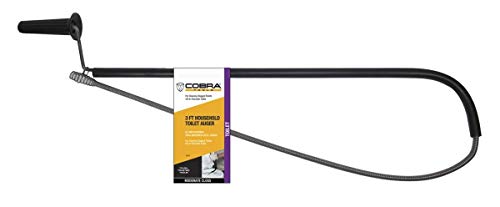
- Toilet auger 3 ft professional grade
- Manual drain cleaning plunger with flange
- Drain cleaning brush set flexible steel coil
- Drain inspection camera with LED light


Before You Start
Before tackling drain bugs, ensure the area around sinks, showers, and floor drains is accessible and dry. Wear gloves and eye protection, and turn off any running water when inserting tools into drains. Clear counter clutter to prevent accidental tool damage. Anticipate time: a thorough clean can take 1–3 hours depending on the system and the number of drains affected. Important: do not mix chemical cleaners with mechanical tools, as some chemicals can damage traps and pipes.
Step-By-Step: How To Get Rid Of Drain Bugs
- Observe symptoms: watch for tiny flies near drains, particularly after water usage, and check for foul odors that indicate organic residue.
- Clear the immediate area: remove standing water, pet bowls, and any food debris that could attract flies.
- Inspect traps and seals: look under sinks and around drains for gaps, cracked seals, or loose gaskets that may allow insects to enter.
- Rod the drain with a plumber’s snake: insert the 25 ft auger into the drain to break up slime and buildup that feed drain flies, then retract slowly.
- Use a toilet auger where appropriate: for toilets, a 3 ft professional-grade auger can address buildup beyond the trap area.
- Clean with a manual plunger: use the drain cleaning plunger with flange to aid suction and dislodge clogs near the trap, applying steady pressure.
- Scrub with a drain brush set: employ flexible steel coil brushes to scour the interior of pipes and traps, removing film and organic matter.
- Inspect with camera: run the drain inspection camera with LED light to visualize inside pipes and confirm removal of blockages and to locate hidden buildup.
- Flush thoroughly and dry: run hot water through the system for several minutes to clear debris and rinse away larvae potential; ensure traps remain filled with water to prevent dry-out.
- Address moisture sources: fix any leaks, improve venting, and consider a pest barrier around entry points to deter future insects.
- Maintain routine cleaning: schedule monthly drain checks and cleaning to prevent recurrence, especially in kitchen and bathroom drains prone to organic waste.
Troubleshooting
| Symptom | Likely Cause | Fix | Prevention |
|---|---|---|---|
| Persistent drain flies after cleaning | Hidden organic buildup in traps or pipes | Re-run snake and brush, inspect with camera | Regular maintenance and sealing leaks |
| Unpleasant odor from drain | Accumulated organic matter | Clean trap and P-trap; rinse with hot water | Avoid dumping food waste down disposal |
| Water drains slowly | Partial clog | Use plunger and auger to clear | Put screens on drains to catch debris |
| Gaps around sink or baseboards | Poor seals | Seal with appropriate caulk; replace damaged gaskets | Maintain tight seals during use |
Common Mistakes
- Relying solely on chemical cleaners; they may not reach hidden buildup and can harm pipes.
- Poor ventilation that traps moisture; fix venting to reduce breeding grounds.
- Overlooking dry traps; ensure traps stay filled with water to block air and pests.
- Irrational tool use; attempting to force through tight pipes can cause damage.
Tips For Best Results
- Combine mechanical cleaning with sanitation: wipe down surfaces and keep drains free of grease.
- Schedule monthly drain checks, especially in kitchens and bathrooms with frequent water use.
- Use the inspection camera to identify less accessible sections of piping for targeted cleaning.
- Fix leaks and condensation issues promptly to reduce moisture that supports larvae.
Call A Professional
Seek professional help if drain bugs persist after multiple cleaning attempts or if you notice recurring leaks, significant pipe damage, or sewer gas odors. Stop signs include foul persistent odors, structural damage to plumbing, or infestations spanning multiple fixtures. A licensed plumber can perform a comprehensive evaluation, sanitize the system, and seal entry points.
FAQ
What are drain bugs and where do they come from?
Drain bugs are tiny flies attracted to organic matter in drains and traps. They breed in moist, decaying material inside pipes and traps.
Can I use household chemicals to solve the problem?
Chemical cleaners can help in some cases but may not reach hidden buildup. Use them sparingly and alongside mechanical cleaning to avoid pipe damage.
Is it safe to use a drain camera for DIY inspection?
Yes, a drain inspection camera with LED light is safe for DIY use when following the manufacturer’s instructions and turning off water before inspection.
How long does it take to see results?
Improvements can appear within days after thorough cleaning, but a full resolution may take several weeks if the infestation is widespread.
Buying Guide
When choosing tools for drain bug management, consider size, ease of use, and compatibility with your plumbing. Key factors include:
- Tools and size: A 25 ft plumber’s snake works for most sinks, while a 3 ft toilet auger handles vertical toilets. Choose lengths based on your fixtures.
- Drain inspection camera with LED light: Helps locate hidden buildup and verify blockages behind walls or under floors.
- Manual drain cleaning plunger with flange: Essential for initial suction and breaking clogs near traps.
- Drain cleaning brush set: Flexible brushes reach curved pipes and remove stubborn films.
- Durability and warranty: Look for tools with corrosion resistance and solid warranties for long-term use.
- Ease of use: Ergonomic handles, clear instructions, and compatibility with standard drain sizes improve effectiveness.
- Maintenance needs: Replacing worn brushes and keeping cameras clean helps sustain performance.
- Placement considerations: Store tools in a dry, accessible cabinet; keep a basic kit in kitchens and baths for quick response.
Thinking about efficiency and safety, would you prefer a compact kit for tight spaces or a full range of tools for multiple fixture types? A balanced set that covers basic unclogging, inspection, and occasional camera-use typically serves most households well.