Dealing with dog urine odors on carpet can be challenging, but a systematic approach helps restore freshness and prevent repeat accidents. This guide lays out practical steps, tools, and safety tips to remove both the stain and the underlying odor using proven techniques and readily available products.
Quick Answer
Address urine odors promptly by blotting the area, applying an enzymatic cleaner to break down odor-causing proteins, and using a steam or carpet-cleaning method to rinse and dry thoroughly. For hidden stains, locate them with a blacklight and treat the area comprehensively.
What You’ll Need
- Enzymatic pet urine remover carpet spray 32 oz
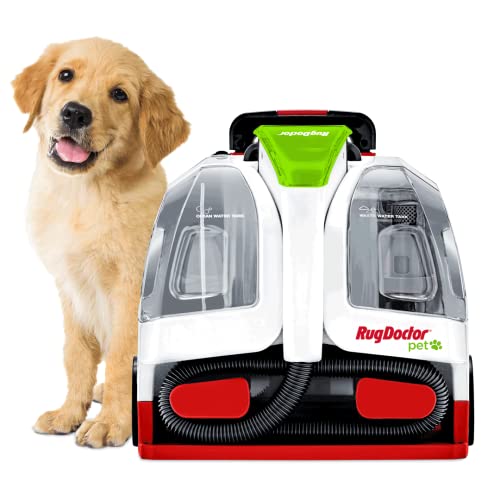
- Carpet cleaning machine for pet urine removal handheld 1.7 gal
- Steam carpet cleaner for pet urine and stains
- Blacklight UV flashlight for locating dog urine stains on carpet
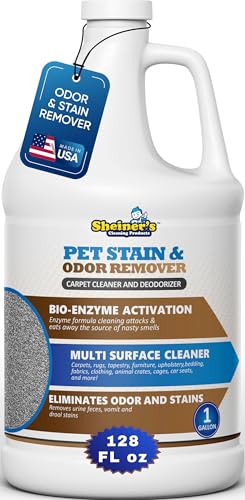
- Enzyme-based dog pee odor remover rug cleaner 1 gallon

Before You Start
Before treating a urine-affected area, wear disposable gloves and ventilate the room. Test any cleaner on a small, inconspicuous patch of carpet to confirm colorfastness. Act quickly to minimize odor penetration into carpet backing and padding. Avoid using only water or standard detergents—these can leave residues that feed odor. Plan for a thorough cleaning, as repeated treatments may be needed for deeply saturated spots. Time estimates vary: surface cleaning can take 30–60 minutes; deep treatments plus drying may require several hours to a day.
Step-By-Step: How To Remove Dog Pee Odor From Carpet
- Locate the urine spots. Use a blacklight UV flashlight to identify dried or hidden stains, especially in low-light rooms. Mark with chalk or tape for reference.
- Blot up excess moisture. Using clean paper towels or a microfiber cloth, blot the area gently to absorb as much liquid as possible without rubbing it deeper into fibers.
- Apply enzymatic cleaner. Liberally spray an enzymatic pet urine remover designed for carpets, ensuring the solution reaches the carpet backing. Let it sit per label instructions to break down proteins and odors.
- Agitate if recommended. Lightly agitate with a soft brush to improve contact between the cleaner and fibers, then allow the enzymes to work for the advised dwell time.
- Rinse and extract. Use a handheld carpet cleaning machine or steam cleaner with clean water to rinse out residual cleaner and urine. Extract as much moisture as possible.
- Repeat as needed. For strong odors or large saturated areas, repeat the enzymatic treatment and extraction to fully neutralize odors.
- Dry thoroughly. Use fans or a dehumidifier and keep the area well-ventilated. Do not walk on damp spots until completely dry to avoid transferring odors.
- Final check. Reinspect with the blacklight to ensure all traces are treated. If any glow remains, repeat treatment on those sections.
- Optional deep clean. For persistent odors, run a steam carpet cleaner for pet urine removal to flush fibers and pad, followed by drying.
- Prevent recurrence. Consider applying a protective barrier spray designed for pet areas and train pets to avoid the treated zones.
Troubleshooting
| Symptom | Likely Cause | Fix | Prevention |
|---|---|---|---|
| Persistent odor after cleaning | Underside padding saturated | Use enzymatic cleaner on padding edges or replace padding if severely soaked | Address backing areas early; use professional deodorizing methods if needed |
| Stain reappears after drying | Residual urine in carpet fibers | Re-treat with enzymatic cleaner and dwell longer | Ensure thorough extraction and complete drying |
| Discoloration or whitening | Harsh cleaners or over-wetting | Rinse with clean water, blot, and dry; test cleaners first | Spot-test cleaners; use color-safe formulas |
| Unpleasant odor still present after multiple cleanings | Odor penetrated into subfloor or padding | Consult a professional for deeper extraction or padding replacement | Seal or protect vulnerable areas; address urine quickly |
Common Mistakes To Avoid
- Using ammonia-based cleaners that mimic urine scent and attract pets back to the spot
- Rubbing the stain, which pushes urine deeper into fibers
- Relying on water alone; water can spread odor rather than remove it
- Ignoring hidden stains discovered by a blacklight until they worsen
- Skipping thorough drying, which invites mildew and musty smells
Tips For Best Results
- Act quickly: the sooner urine is treated, the easier it is to remove odors.
- Use enzyme-based products specifically formulated for pet odors to break down organic compounds.
- Work from the outside edges of the stain toward the center to prevent spreading.
- Test cleaners on a hidden area to prevent color loss or damage.
- Pair enzymatic cleaners with a steam or extractor method for deeper cleaning.
- Keep pets away from treated areas until completely dry to avoid re-soiling.
When To Call A Professional
Call a professional if odors persist after multiple treatments or if the urine has penetrated padding, subfloor, or concrete. Strong odors in large rooms or high-traffic areas may require commercial-grade equipment or pad replacement to fully restore cleanliness and air quality. Seek immediate help if there are signs of mold or water damage alongside odors.
FAQ
What is the most effective cleaner for pet urine on carpet?
Enzymatic cleaners that specifically target pet urine break down odor-causing compounds and are generally most effective.
Can I use a regular steam cleaner for dog urine odor?
Steam helps rinse and extract, but follow up with an enzymatic cleaner to neutralize odors and prevent repeat marking.
How long does it take for carpet to dry after cleaning?
Drying times vary with ventilation and humidity, but most treated spots dry within 2–6 hours; complete room air-drying may take longer.
Is a blacklight necessary to find all stains?
A blacklight helps locate hidden or dried urine that may not be obvious to the eye, especially in dim rooms.
Should I replace the carpet pad if it smells?
If the pad is visibly soaked or still odorous after cleaning, pad replacement may be necessary to eliminate odors.
Do enzymatic cleaners leave residue?
Most are formulated to break down urine and wash away, but follow label directions and rinse if needed to avoid residue buildup.
Will pet training prevent future accidents?
Training, masking scents, and consistent cleaning can reduce repeat accidents, but ongoing maintenance is important in multi-pet homes.
Buying Guide
Choosing the right products and methods for removing dog pee odor from carpet depends on several factors. Consider the area size, severity of staining, and whether you’re dealing with hardwood or carpeted spaces. Ask yourself: Do I prefer a complete system with a dedicated cleaning machine, or a combination of enzymatic cleaners and portable extractors? The following factors help guide a practical decision.
- Size and coverage: For large rooms or multiple stains, a larger quantity of enzymatic cleaner and a capable carpet cleaning machine can save time.
- Noise level: Consider devices with quieter operation if cleaning occurs during household activity or at night.
- Energy efficiency: Look for energy-efficient extractors and steam cleaners to lower operating costs and reduce drying time.
- Controls: Simple spray bottles with clear dwell times and adjustable extraction settings help maintain consistent results.
- Placement: Use a portable handheld unit for targeted spots and a larger upright or canister machine for larger areas. Ensure proper ventilation to speed drying.
- Odor neutrality: Choose enzymatic cleaners designed to eliminate odors rather than merely masking them.
- Surface compatibility: Ensure cleaners are safe for your carpet fiber type (nylon, polyester, etc.) and avoid colorfastness issues.
- Maintenance: Factor in reusability and how easy it is to clean tools after use to prevent cross-contamination.
With the right combination of enzymatic cleaners, extraction tools, and proper drying, most dog urine odors can be effectively removed from carpeted areas. If odor persistence is a recurring issue, consider evaluating pet training and house layout to minimize future incidents, and consult a professional for deeper field testing and remediation.