Removing demi-permanent hair dye can be a delicate process, especially when aiming to preserve natural color and avoid damage. This guide outlines practical, store-bought options and step-by-step methods that are suitable for most at-home situations.
By following a structured approach and using the right products, you can lighten or lift residual color while maintaining scalp and hair health. The focus here is on practical, proven techniques that align with common consumer products for demi-permanent color removal.
Quick Answer
Choose a dedicated at-home hair color remover kit designed for demi-permanent shades, or use a color remover powder kit followed by a clarifying shampoo if needed. For professional results, consider a professional hair dye remover kit and consult a stylist for guidance on shade restoration and damage prevention.
What You’ll Need
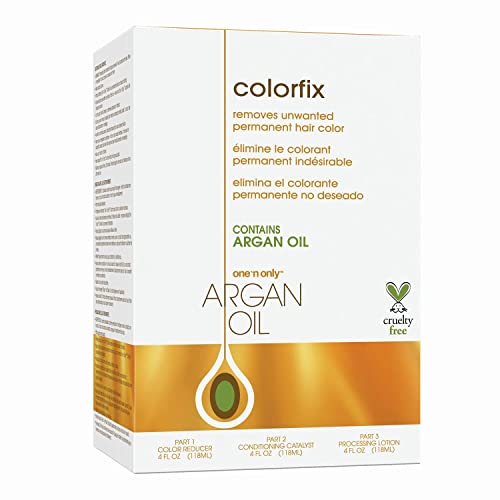
- demi-permanent hair color remover kit or at-home hair color remover kit demi-permanent
- professional hair dye remover kit
- color remover powder kit for demi-permanent dye
- clarifying shampoo for color removal demi-permanent
- Gloves, timer, old towel, and a well-ventilated area


Before You Start
Read product instructions carefully and perform a strand test 48 hours before full application to check for allergic reaction and shade outcome. Protect skin around the hairline with petroleum jelly and wear gloves during the process. The total time varies by product but typically ranges from 20 to 60 minutes per treatment. Avoid overlapping onto previously bleached or damaged sections to prevent excessive breakage. If you have a sensitive scalp or a history of allergies, consult a professional before proceeding.
Step-By-Step: How To Remove Demi-Permanent Hair Dye
- Choose your method: decide between a dedicated demi-permanent remover kit or a color remover powder kit paired with a clarifying shampoo for best results.
- Prepare hair and workstation: gather tools, mix solutions as instructed, and lay down towels to catch spills.
- Perform a strand test: apply product to a small section, wait the recommended time, and assess color lift and any sensitivity.
- Apply remover evenly: section hair and apply from roots to mid-lengths, avoiding scalp overexposure if the product cautions against it.
- Process and monitor: keep to the recommended processing time, checking color progression every few minutes.
- Rinse thoroughly: wash with lukewarm water and use a gentle shampoo to remove all residue.
- Condition and treat: apply a color-safe conditioner or deep conditioner to restore moisture and elasticity.
- Assess results: if color lift is insufficient, you may repeat the process after following the product’s cooling-off period.
- Optional clarifying follow-up: use a clarifying shampoo for color removal demi-permanent to remove product buildup, then condition again.
- Plan shade correction: if the resulting tone is uneven or unintended, consult a professional for tone adjustment and glaze if desired.
- Post-treatment care: minimize heat styling for a few days, and use a bond-building or moisture-rich treatment if hair feels dry.
Troubleshooting
| Symptom | Likely Cause | Fix | Prevention |
|---|---|---|---|
| Uneven lift or patchy color | Uneven application or processing time | Reapply to missed sections and extend processing as per label | Follow sectioning and timing precisely |
| Hair feels dry after treatment | Over-processing or inadequate conditioning | Use deep conditioner and bond-building treatment | Limit processing time and use moisture-rich products |
| Color shifts to an undesired tone | Residual dye or pH imbalance | Apply a gentle toner or consult a pro for corrective color | Strand test and follow product directions |
| No improvement after first attempt | Stronger pigment or product incompatibility | Wait recovery period and try a second treatment with a different remover kit | Choose the recommended product for demi-permanent types |
Common Mistakes
- Rushing the processing time or skipping strand tests
- Using color-removal products on compromised or recently bleached hair
- Overlapping product on scalp or near the hairline without protection
- Not following up with conditioning or bond-building treatments
Tips For Best Results
- Opt for an all-in-one demi-permanent color remover kit for simplicity and consistency.
- Always perform a strand test to gauge lift and reaction before full application.
- Use a clarifying shampoo after removals if residue remains, but avoid over-washing, which can dry the hair.
- Balance color removal with moisture restoration by using protein- and moisture-rich conditioners.
Call A Professional
Seek professional help if the hair shows signs of severe damage, excessive breakage, persistent uneven tones, or if multiple removal attempts are needed. Stop and consult a colorist if the scalp becomes irritated, or if the desired shade remains out of reach after initial treatment attempts.
FAQ
Is a demi-permanent color remover safe on all hair types?
Most products are formulated for common hair types, but sensitive scalps or damaged hair may require professional guidance.
How soon can I re-treat demi-permanent color removal?
Follow product guidelines; many brands advise waiting at least 1–2 weeks between treatments to prevent over-processing.
Will removal restore my natural color?
Removal can lift color close to natural tones, but results depend on the original shade and hair condition.
Can I color again immediately after removal?
Yes, but choose a color that aligns with current hair condition and avoid applying dye to recently treated sections without conditioning first.
Buying Guide
When selecting a remover method, consider size and concentration of the kit, processing time, and compatibility with demi-permanent formulas. Look for clear instructions, a strand test protocol, and a reputable brand with good user reviews. Noise and odor levels may vary by product; choose options that offer gentle formulas if you have a sensitive scalp. Consider whether you want a one-step remover or a two-step system with a clarifying follow-up. Assess ease of use, potential damage risk, and the availability of supportive customer service. Finally, ensure the product is appropriate for your hair type and current color level, and verify return policies in case results aren’t satisfactory.