Cracked heels are common, especially during dry months or after long periods of standing. This guide outlines practical at-home steps to soften, slough, and smooth cracked heels using common pedicure tools and safe practices. The aim is to restore comfortable, healthy feet without expensive treatments.
Quick Answer
Soften dry skin with warm, soapy baths or foot soaks. Slough away dead skin using a file or rasp, pumice stone, or a professional-grade electric callus remover. Moisturize daily with thick emollients. Protect heels with breathable socks or night-time barrier creams to seal in moisture.
What You’ll Need
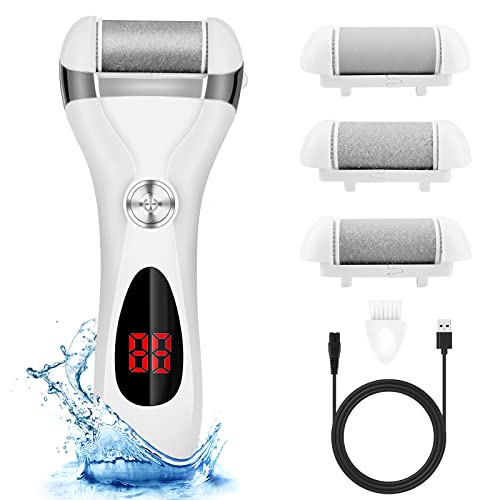
- Electric foot callus remover rechargeable with replaceable rollers
- Stainless steel foot rasp callus remover for cracked heels
- Pumice stone foot file for dry cracked heels
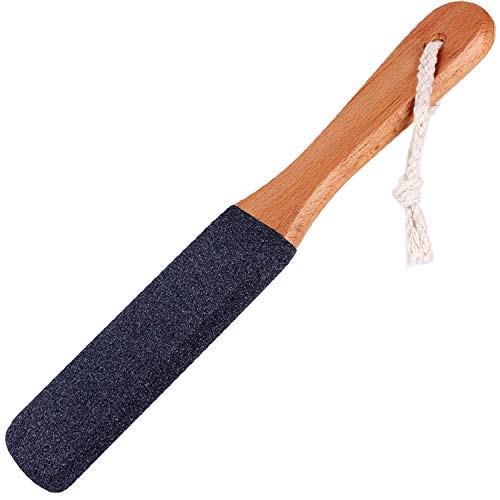
- Bamboo foot file for cracked heels with replaceable heads
- Pedicure foot file set with replacement blades and storage case

Before You Start
Prepare a comfortable, well-lit space and gather tools. Soaking the feet for 10–20 minutes in warm water helps loosen hard skin. Pat feet dry before using any abrasive tool. Do not shave or aggressively scrub inflamed or bleeding skin. Avoid over-grinding to prevent irritation or injury. Time estimates vary by person, but a typical session ranges from 20 to 40 minutes.
Step-By-Step: How To Get Rid Of Cracked Heels
- Soak feet in warm water for 10–15 minutes to soften dry skin and open pores.
- Gently pat dry, then examine heels for deeply cracked or inflamed areas to determine care level.
- Use a pumice stone or foot file with light, circular motions to remove loose skin. Avoid applying excessive pressure.
- Switch to a stainless steel foot rasp or a rechargeable electric foot callus remover for tougher patches, following tool instructions.
- Work across the entire heel, focusing on raised calluses. Rinse the area and dry between strokes if needed to monitor progress.
- Apply a thick moisturizer or heel repair ointment while the skin is slightly damp to seal moisture.
- Put on breathable socks to lock in hydration overnight, especially after exfoliation.
- Repeat weekly as needed, adjusting frequency based on skin renewal and comfort.
- Keep the storage case organized and replace worn blades or rollers promptly for safety.
- Monitor for signs of infection (redness, warmth, swelling). Seek care if symptoms worsen.
- Maintain a daily routine: light exfoliation 1–2 times per week and nightly moisture for ongoing results.
- Consider integrating a hydrating foot mask or overnight barrier during dry seasons for extra protection.
Troubleshooting
| Symptom | Likely Cause | Fix | Prevention |
|---|---|---|---|
| Skin remains rough after exfoliation | Too thick callus or uneven pressure | Increase gentle sessions; use a milder tool | Regular maintenance and gradual intensity |
| Redness or irritation | Over-scrubbing or sensitive skin | Pause exfoliation; apply soothing cream | Use softer tools and shorter sessions |
| Cracks worsen after care | Moisturizer not sealing moisture | Apply thicker barrier ointment; overnight socks | Consistent moisturization after baths |
| Tool blades dull quickly | Improper cleaning or use | Follow manufacturer guidance; replace blades | Clean after every use; store dry |
Common Mistakes
- Over-scrubbing or grinding too aggressively, which can cause micro-tears
- Using dry, hard skin tools without prior soaking
- Neglecting daily moisturizing after exfoliation
- Skipping clean-up or improper storage of tools, leading to dullness or contamination
Tips For Best Results
- Consistency beats intensity—exfoliate a little weekly rather than heavy scrubbing infrequently.
- Pair exfoliation with a rich moisturizer containing urea, lactic acid, or shea butter for better penetration.
- Choose tools with replaceable heads or blades to maintain effectiveness and hygiene.
- Hydration is key: drink water and use occlusive moisturizers at night for prolonged softness.
- Use breathable socks after moisturization to maximize results while you sleep.
Call A Professional
Seek professional help if signs of infection appear (increasing redness, warmth, swelling, or pus), if you have diabetes or neuropathy, or if cracked heels are severe and unresponsive to at-home care. Podiatrists can assess for underlying conditions and provide prescription treatments or in-office procedures.
FAQ
How often should I exfoliate cracked heels?
Most people benefit from 1–2 light exfoliation sessions per week, paired with daily moisturizing.
Can I use a foot file every day?
Daily use is not necessary and can irritate sensitive skin; aim for 2–3 times per week and adjust based on skin response.
What’s the difference between a pumice stone and a foot rasp?
Pumice stones provide gentler exfoliation, while a rasp offers more aggressive removal of thick calluses.
Are electric foot callus removers safe for home use?
Yes, when used according to manufacturer instructions and with proper safety precautions.
Buying Guide
Choosing the right tools for cracked heels depends on skin thickness, budget, and preferred method. Consider the following factors:
- Size and weight: Larger handles provide control for broader surfaces; lightweight designs minimize fatigue during longer sessions.
- Tool type: A combination approach often yields the best results—soften with soaking, then exfoliate with a pumice stone, and finish with a stainless steel rasp or an electric callus remover for stubborn patches.
- Replaceable heads or blades: Tools with replaceable parts reduce long-term costs and maintain hygiene with fresh surfaces.
- Noise and power: Battery life and quiet operation matter for use at night or in shared spaces.
- Material quality: Stainless steel components resist corrosion; bamboo or wood handles offer natural aesthetics and comfort.
- Storage and hygiene: A pedicure file set with a case helps keep blades clean and organized.
- Ease of use: Ergonomic designs reduce hand strain and improve control on tricky areas.
- Maintenance: Look for easy cleaning, replaceable heads, and clear care instructions.
With the right combination of tools—such as an electric foot callus remover, a stainless steel rasp, and a pumice stone paired with a sturdy bamboo file—users can build an effective routine tailored to their schedule. How will you structure your regimen to achieve smooth, healthy heels?