Couch fuzzies—those pill-like balls that form on fabric over time—can make a sofa or chair look worn. With the right tools and technique, you can refresh upholstery without replacing furniture. This guide walks through practical steps using common fabric shedding devices designed for sofas, chairs, and cushions.
Whether you notice pills on a fabric sofa, loveseat, or sectional, a systematic approach helps preserve the material and extend the life of furniture. The methods below apply to most woven upholstery fabrics, including synthetic blends and natural fibers, but always test on a hidden area first to avoid damage.
Quick Answer
Use a fabric shaver or specialized fuzz remover on smooth, even strokes, then brush with a lint roller or fabric comb to collect loose pills. Regular maintenance every few weeks prevents heavy buildup and keeps upholstery looking fresh.
What You’ll Need
- electric fabric shaver for sofas furniture
- cordless fuzz remover fabric shaver for upholstery
- fabric pill remover for upholstery and sofas
- sofa lint remover roller for furniture
- upholstery fabric shaver for couch cushions

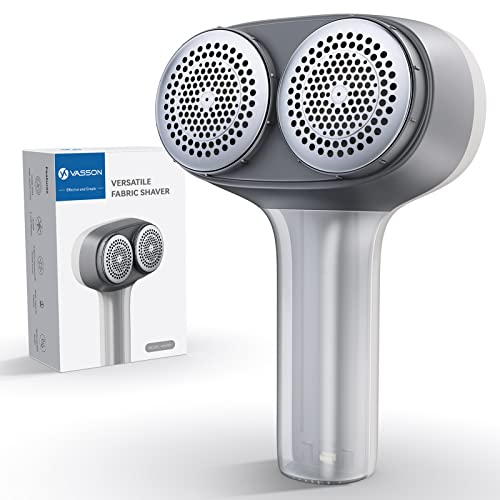
Before You Start
Before beginning, identify the fabric type and check care labels. For delicate fabrics, use a gentler setting or a handheld fabric brush. Clear a workspace, remove cushions, and cover nearby surfaces to catch loose pills. Time estimates vary by sofa size, but plan about 20–40 minutes for a typical couch. Never press the shaver hard into the fabric; apply light pressure to avoid snagging or fabric damage. If you notice snagging or thinning, stop and reassess with a lower setting or professional help.
Step-By-Step: How To Get Rid Of Couch Fuzzies
- Place the sofa cushions aside and wipe the fabric surface with a clean, dry cloth to remove surface dust.
- Test a hidden corner with the electric fabric shaver for sofas furniture on a low setting to observe how the fabric responds.
- Work in small sections, moving the shaver in even, steady passes across the fabric, never staying in one spot too long.
- Go with the nap of the fabric to prevent new pills from forming; lift the shaver after each pass to collect pills.
- After removing pills, use the cordless fuzz remover fabric shaver for upholstery to address stubborn pills along seams or folds.
- Brush the fabric with a lint roller or fabric comb to lift remaining fuzz and gather loose particles for easy disposal.
- Inspect the entire surface and re-treat any high-pile areas or heavily pill-prone sections as needed.
- Vacuum the area around the sofa to pick up loose fibers and avoid re-depositing pills on the fabric.
- Reassemble cushions and test the fabric feel; if pills reappear quickly, schedule a light maintenance every 2–4 weeks.
- Store tools in a dry place and wipe blades clean after use to maintain performance.
- For larger furniture or persistent pills, consider repeating the process monthly or using a fabric-safe water-based protector after grooming.
Troubleshooting
| Symptom | Likely Cause | Fix | Prevention |
|---|---|---|---|
| Pills return quickly after grooming | High-shedding fabric or frequent use | Groom more often; consider under-panel cleaning | Choose fabrics with lower pilling risk when upholstering |
| Fabric snags or pulls | Shaver blade too aggressive | Switch to a lower setting or a gentler method | Test on hidden area first |
| Uneven results across the surface | Inconsistent technique | Switch to steady, uniform passes | Maintain consistent pressure and angle |
| Machine stops mid-use | Battery or blade jam | Pause to cool or clear jam; recharge if needed | Regular maintenance, clean blades after use |
Common Mistakes
- Using excessive pressure, which can cut fibers
- Avoiding a test patch on delicate fabrics
- Rushing across seams where pills hide
- Neglecting to clean up collected pills promptly
- Overlooking safety notes when battery-powered tools are in use
Tips For Best Results
- Groom in a well-lit area so pills are easy to spot and remove.
- Work with the fabric grain, moving from one area to the next in an orderly pattern.
- Keep blades sharp by cleaning after each use and replacing according to manufacturer guidance.
- Use a fabric protector after grooming to reduce future pill formation on high-friction areas.
- Coordinate grooming with regular upholstery cleaning to extend the life of the fabric.
Call A Professional
Consider contacting a professional if your furniture shows signs of fabric fraying, deep structural wear, or persistent pills after multiple grooming attempts. Stop using power tools on heavily pilly or delicate fabrics and seek expert care when uncertain about fabric compatibility.
FAQ
What is the best tool for removing couch pills?
A dedicated fabric shaver balances effectiveness and fabric safety and is suitable for most upholstery.
Can I use a lint roller to remove pills?
A lint roller helps collect loose fibers after shaving but does not remove pills from deep within the fabric.
How often should I groom my couch upholstery?
For rooms with heavy use, every 2–4 weeks helps prevent pill buildup; lighter usage may only require quarterly grooming.
Is it safe to use on all fabrics?
Most fabrics respond well to a shaver, but test on a hidden area first and consult care labels for delicate materials.
Will grooming damage seams or stitching?
When used correctly with gentle pressure, fabric shavers should not harm seams; avoid applying direct pressure to seam lines.
What should I do if pills return after grooming?
Assess fabric quality; frequent pilling may indicate high-friction areas or fabric with poor pill resistance.
Buying Guide
Choosing the right device involves considering fabric type, power source, and ease of use. For regular households, a cordless model offers convenient maneuverability around cushions and tight corners. Noise level matters in shared living spaces, so look for quieter operation with effective blade performance. Pay attention to compatibility with upholstery materials and adjustable blade settings to match fabric density. Consider models with easy blade cleaning and compact designs for storage. When assessing size, larger surfaces benefit from a broader head or higher shaft reach. Finally, a durable build and reliable warranty provide long-term value for continuous maintenance.