Cooking smoke can linger in rooms, fabrics, and on surfaces long after the meal is done. This guide walks through practical, American-friendly methods to neutralize and remove smoke odors from a home, using common products and household solutions. Readers will find a clear plan—from quick fixes to longer-term prevention—to restore freshness without expensive or invasive measures.
Quick Answer
Ventilate thoroughly, use activated charcoal or odor absorbers, clean surfaces with vinegar or baking soda, and deploy a dedicated air purifier or range hood filter to tackle lingering smoke odors. For persistent smells, combine odor absorbers with targeted sprays and gels, and refresh filters in your ventilation system.
What You’ll Need
The following tools and products help optimize odor removal. As you read, consider which items you already own and which you’d like to add for future kitchen use.
- Activated charcoal odor absorber bag for kitchen smoke smell 2lb
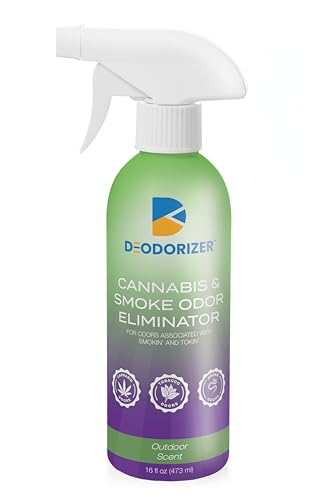
- Smoke odor eliminator spray for kitchens 16 oz
- Air purifier with activated carbon filter for cooking smoke 400 sq ft
- Odor removing gel beads kitchen food smoke smell neutralizer 50 oz
- Range hood carbon filter replacement for cooking smoke odor


Before You Start
Before tackling smoke odors, consider room layout, ventilation, and safety. Open doors and windows to create cross-ventilation where possible. Move fabrics and textiles to a well-ventilated area to air out. If you have pets or sensitivity concerns, plan for shorter sessions and wear a mask. Time estimates vary by space and odor intensity, typically from a few hours for quick refreshes to a full day for deep odors. Take care with any cleaning agents around food prep areas and avoid mixing cleaners that may produce fumes.
Step-By-Step: How To Remove Cooking Smoke Odor
- Open all windows and doors to establish cross-ventilation and reduce indoor odor concentration.
- Ventilate with an air purifier equipped with a activated carbon filter, especially in kitchens and dining areas.
- Place activated charcoal odor absorber bags in strategic spots—near the stove, in the kitchen, and in adjacent rooms.
- Spray a smoke odor eliminator spray on hard, non-porous surfaces like countertops, tiles, and cabinet doors to neutralize residual particles.
- Apply odor removing gel beads in a few secure locations to continuously absorb moisture and odors over several days.
- Replace or refresh range hood carbon filters if cooking odors persist after cooking sessions.
- Wipe down walls, ceilings, and light fixtures with a mild solution of water and baking soda or vinegar to remove smoke residue.
- Wash fabrics that can harbor odor, including curtains, oven mitts, and tablecloths. If machine washing is not possible, use fabric-safe odor absorbers and air-dry outdoors if feasible.
- Rerun the air purifier for several hours after cooking to accelerate odor clearance from the air.
- Reassess the space after 24–48 hours; repeat absorbers or sprays as needed for stubborn spots.
- Maintain a routine odor control strategy, especially after frying or grilling, to minimize buildup.
- Consider professional-grade solutions or an upgrade to a more powerful range hood if odors persist in a large or open-concept area.
Troubleshooting
| Symptom | Likely Cause | Fix | Prevention |
|---|---|---|---|
| Smell lingers after cleaning | Residue on walls or fabrics | Wipe with soap and water, reapply gel beads or charcoal bags | Air out rooms after cooking; clean routinely |
| odors return quickly | Insufficient ventilation | Increase airflow, run the purifier longer | Use range hood during cooking and keep it on afterward |
| Aerosol spray seems ineffective | Porous surfaces harboring odor | Deep clean surfaces and corners; use gel beads | Address odors at the source with filtration |
| Filter clogs or smells in purifier | Excess dust or smoke particles | Replace carbon filter; clean pre-filters | Regular maintenance schedule |
Common Mistakes
- Relying on one tool only; odors often require a combination of absorbers, sprays, and ventilation.
- Over-flooding spaces with strong cleaners that introduce new odors.
- Neglecting fabrics and hidden corners where smoke particles settle.
- Delaying action after a cooking session when odors are strongest.
Tips For Best Results
- Use a multi-pronged approach: absorbers, purifiers, and ventilation together for faster results.
- Place odor absorbers at varying heights to capture both airborne particles and settled odors.
- Keep filtration systems running for several hours after cooking to extend the freshness window.
- Match product usage to room size: larger spaces may require a higher-capacity purifier or extra filters.
- Schedule regular maintenance of range hood filters and air purifiers to maintain effectiveness.
Call A Professional
If smoke odors persist despite using absorbers, sprays, purifiers, and venting, seek professional assistance. Look for signs such as persistent odor across multiple rooms, strong smoky residues on walls and ceilings, or suspected damage to ventilation ducts. A licensed HVAC technician can assess ductwork, filtration efficacy, and potential need for deeper remediation.
FAQ
How long does it take to remove cooking smoke odor?
Results vary by space and odor intensity, typically from a few hours to a day or two with persistent odors.
Can I use essential oils to mask smoke odors?
Essential oils may mask odor temporarily but do not neutralize smoke particles; use them in combination with absorbers and ventilation.
Is a carbon filter essential for every kitchen?
Carbon filters are highly effective for volatile compounds in cooking smoke and are recommended for most kitchens.
Should I wash walls after a smoky episode?
Washing walls can help remove surface residues; test a small area first to avoid damage to paint.
What should I do with fabrics that smell smoky?
Wash textiles when possible, or use odor-absorbing gels and air them outdoors if safe.
How often should I replace filters?
Follow manufacturer recommendations, typically every 3–6 months for purifiers and as needed for range hood filters.
Buying Guide
Choosing the right odor control toolkit can make a big difference in how quickly and effectively cooking smoke is managed. Consider these buying factors to optimize results and satisfy practical needs.
Size and Coverage
For air purifiers, select a model rated for at least the square footage of the kitchen and adjoining spaces it serves. Larger open-plan areas may require multiple units or a high-capacity purifier.
Noise Level
quieter models help maintain comfortable living spaces. Check decibel ratings and select a purifier and range hood that balance performance with acceptable sound levels during cooking and after.
Energy Efficiency
Look for energy-efficient filters and low-power modes. A more efficient system reduces running costs during extended odor-control sessions.
Controls and Features
Preface with simple controls such as timer, auto-mode, and filter life indicators. Advanced features like smart sensors help tailor operation to odor intensity and room activity.
Placement and Installation
Plan for effective placement: purifiers near the source of odors, absorbers in key rooms, and filters accessible for maintenance. Consider retrofit range hood upgrades if the current system underperforms.
Replacement Parts and Availability
Ensure carbon filters and odor absorbers are readily available. Stock spare gel beads and replacement filters to reduce downtime when odors persist.
Cost and Value
Balance upfront costs with ongoing maintenance. Durable absorbers and efficient purifiers offer long-term value by reducing repeated odor occurrences and improving indoor air quality.