Garages can attract cockroaches due to warmth, moisture, and easy access to food scraps. A practical, multi-step approach combines inspection, targeted baits, and proper sanitation to reduce and control roach activity. The following guide presents a straightforward process suitable for most American garages.
Quick Answer
Target entry points and food sources, place roach gel bait for garage cracks crevices in suspected harborages, and use roach bait stations for garage areas near doors and gaps. Combine boric acid powder for roaches garage in dark corners with a spray insecticide spray for garage roaches for immediate knockdown, plus glue traps for roaches garage as passive monitors. Regular follow-up is essential.
What You’ll Need
- Roach gel bait for garage cracks crevices
- Roach bait stations for garage
- Boric acid powder for roaches garage
- Insecticide spray for garage roaches
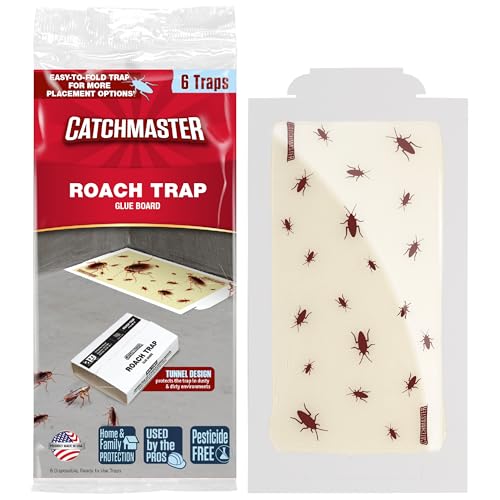
- Glue traps for roaches garage


Before You Start
Before beginning, clear clutter from the garage floor to expose hiding spots and improve treatment effectiveness. Wash down surfaces where food residues may accumulate, and seal obvious gaps around doors, pipes, and utility conduits. Always read and follow label directions on each product. Keep away from children and pets, and ventilate the space during application. Plan for several days of monitoring and reapplication as needed; a typical initial treatment window is 1–2 weeks.
Step-By-Step: How To Get Rid Of Cockroaches In The Garage
- Conduct a basic inspection to locate roach activity, focusing on cracks, crevices, and damp corners. Mark hotspots so bait and traps can be placed accurately.
- Apply roach gel bait for garage cracks crevices into narrow spaces where roaches hide, such as behind shelves, along baseboards, and inside tool cabinets. Use small dots at 12–18 inch intervals in high-traffic areas.
- Set up roach bait stations for garage near doors, entry gaps, and underneath workbenches. Stations provide a protected, steady lure for roaches over time.
- Dust or sprinkle boric acid powder for roaches garage into dark corners and behind appliances. Avoid exposed areas that pets or kids frequent; use a brush to apply lightly.
- Declutter and remove accessible food sources, such as opened packaging, pet food, and grease-laden rags. Regularly sweep and dispose of trash to reduce attractants.
- Spray a targeted insecticide spray for garage roaches along entry seams, around utility pipes, and near known roach runs. Use short bursts and avoid oversaturation that could deter roaches from coming into contact with bait.
- Place glue traps for roaches garage in lines along walls and behind storage units. Traps help monitor activity and can capture roaches that avoid bait.
- Monitor progress daily for the first week and reapply baits or reposition devices if activity remains high. After two weeks, reassess and expand or adjust placements as needed.
Troubleshooting
| Symptom | Likely Cause | Fix | Prevention |
|---|---|---|---|
| Roaches persist after baiting | Insufficient contact with bait or new harborages | Move bait closer to activity zones; add extra stations | Seal gaps; maintain cleanliness |
| Spray seems ineffective | Wrong product for environment or rapid re-infestation | Choose a product labeled for garage use; reapply as directed | Address moisture sources |
| Glues traps fill quickly | High roach traffic area | Increase trap density along walls and corners | Keep surfaces dry and inaccessible to pets |
| Boric acid appears dusty and unsafe | Poor application method | Apply a light, uniform layer away from traffic paths | Minimize powder exposure to non-targets |
Common Mistakes
- Relying on a single control method instead of a multi-pronged plan
- Applying bait too far from roach activity or in overly exposed spaces
- Neglecting sanitation and moisture control
- Using pesticides in living spaces near snacks or pets
Tips For Best Results
- Place bait stations and gel bait on a regular schedule for several weeks to ensure sustained impact
- Keep bait away from standing water to prevent dilution or wash-off
- Use traps as early warning signals to gauge roach movement
- Combine moisture reduction with routine cleaning to remove food residues
- Rotate products if activity persists after initial treatment
Call A Professional
Seek professional help if roach activity remains high after 3–4 weeks, or if there is a large infestation, signs of nesting, or contamination of stored foods. Licensed pest control can assess structural gaps, install professional-grade barriers, and provide an integrated plan tailored to the garage environment.
FAQ
How long does it take to see results in the garage?
Most homes notice reduced activity within 1–2 weeks, with continued improvement over several weeks as treatments compound.
Are bait gels safe to use around pets?
Follow product labels and keep gels away from areas accessible to pets. Use bait stations when possible to limit exposure.
Can I reuse old traps or bait?
Disposal is recommended when devices are full or no longer effective. Replace bait as directed by the label.
What maintenance helps prevent future infestations?
Regular cleaning, prompt disposal of garbage, sealed food storage, and ongoing monitoring with traps reduce recurrence.
What if I have moisture problems in the garage?
Repair leaks and improve ventilation; roaches thrive in damp areas, so moisture control is key to long-term success.
Buying Guide
When selecting products to control garage roaches, consider size and layout, noise level if devices emit sounds, energy efficiency, ease of use, and placement flexibility. A combination approach typically yields the best results:
- Gel baits for crack-and-crevice targeting in hidden hubs
- Bait stations for high-traffic entry points without direct exposure
- Boric acid powder for durable, low-maintenance use in dry, dark areas
- Insecticide sprays for immediate knockdown and perimeter protection
- Glue traps as ongoing surveillance tools to measure activity
Compare products by how well they cover typical garage areas, ease of application, and any safety features such as child/pet safety mechanisms. Consider a balanced mix to address existing roaches and prevent re-infestation. If there are unique garage features—such as frequent vehicle movement, storage of chemicals, or large moisture sources—choose solutions that are explicitly labeled for garage use and suitable for such environments.