Cobwebs in basements are common due to low light, corner clutter, and steady air currents. This guide provides a practical, step-by-step approach using common tools to safely remove cobwebs and minimize their return. The focus is on effective reach, thorough cleaning, and preventative habits that work in American homes.
Quick Answer: Use a long-reach cleaning tool to knock down webs, then vacuum or dust the area to remove trapped dust, and finish with a quick sweep of nearby corners to prevent re-formation.
What You’ll Need
Gather tools that maximize reach and minimize climbing or ladders. The following supplies align with typical basement cleanup tasks.
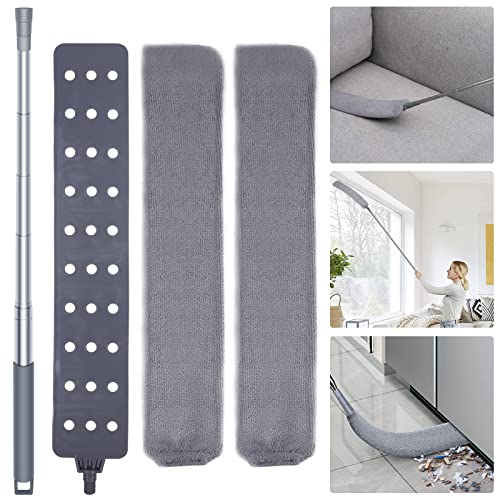
- Extendable cobweb brush ceiling cleaning tool with microfiber head (about 6 ft)
- Long reach dust mop cobweb removal with adjustable handle (about 60 inches)
- Shop vacuum with extendable wand for cobweb cleanup (basement use)
- Ceiling cleaning rake cobweb remover (about 8 ft fiberglass pole)
- Microfiber cobweb duster with extension pole (about 10 ft)


Before You Start
Plan the work area: clear pathways, protect stored items, and ensure good ventilation. Wear a dust mask and safety glasses to guard against dust and spider remnants. If the basement has low ceilings or uneven floors, avoid overreaching and use a sturdy, stable stance. Time estimates vary, but a thorough pass for a standard basement may take 20–40 minutes, depending on size and clutter. Critical cautions include avoiding stepping on loose debris, never using wet mops on electrical outlets, and keeping cords untangled to prevent trips.
Step-By-Step: How To Remove Basement Cobwebs
- Inspect the area for active webs in corners, beams, and ceiling corners. Identify the highest reach you can safely access with your tool.
- Attach the extendable cobweb brush or microfiber duster to the handle, ensuring the head is securely fastened.
- Gently sweep or twist the tool along corners to dislodge cobwebs without scattering dust into living spaces.
- Switch to a long reach dust mop or extension pole to target high corners and along ductwork or ceiling lines.
- For stubborn webs, use the shop vacuum with an extendable wand to suction away remaining strands and debris.
- Wipe the touched surfaces with a microfiber cloth or duster to capture residual dust and prevent immediate re-settling.
- Move methodically across the basement, working from corners toward central areas to avoid re-depositing dust.
- Inspect light fixtures, vents, and ceiling pipes for missed webs and repeat the removal if needed.
- Where possible, replace old light bulbs or clean fixtures to deter insect activity that can attract webbing.
- Finalize with a quick sweep of the floor near the walls to remove stray webs and dust fibers.
- Store tools in a ready-to-use location, keeping extensions easily accessible for future maintenance.
- Establish a routine: a quick monthly check helps prevent heavy web buildup in basements.
Troubleshooting
| Symptom | Likely Cause | Fix | Prevention |
|---|---|---|---|
| Webs return within days | Moisture or insects attracting debris | Improve ventilation; seal cracks; schedule routine cleaning | Regular minor cleanups and dehumidification |
| Tools slip while reaching high areas | Loose connections or slippery handles | Tighten fittings; use grip-enhanced handles | Store tools properly after use |
| Dust clouds during sweep | Dry accumulated dust on surfaces | Dust first with a microfiber cloth, then wipe with damp cloth | Keep area dust-free with minimal clutter |
| Webs persist behind beams | Webs hidden in crevices | Use a longer extension tool to reach and perform a second pass | Check every few months in hard-to-reach spots |
Common Mistakes
- Using a short broom or mop that forces you to stand directly beneath cobwebs
- Skipping safety gear or ignoring ventilation in damp basements
- Overloading tools with excess debris, causing drag or tool failure
- Neglecting to wipe surfaces after removal, allowing dust to resettle
Careful technique and the right tools help minimize mess and protect surfaces during cobweb removal.
Tips For Best Results
- Choose a tool length that allows a comfortable reach without overextending.
- Work from the farthest corner toward the exit to avoid cross-contamination of cleaned areas.
- Dust first, then vacuum to capture loose fibers and improve air quality.
- Keep a small flashlight handy to illuminate dark corners and behind storage shelves.
- Schedule seasonal checks after humid months when cobwebs tend to form more quickly.
Call A Professional
Consider a pro if the basement has extensive dampness, persistent mold, structural issues, or electrical hazards near ceiling areas. Stop signs include recurrent moisture leaks, visible mold growth, or electrical components near webs. A professional can assess moisture control, ventilation, and safety concerns beyond routine cobweb removal.
FAQ
How often should I clean cobwebs from a basement?
Schedule a quick check monthly and perform a thorough removal every 1–3 months, depending on humidity and usage.
What tools work best for high ceilings?
Extendable tools such as a ceiling cleaning rake or microfiber duster with an 8–10 ft reach are effective for high ceilings.
Can I use water to help remove cobwebs?
Lightly dampen a microfiber cloth to capture remaining dust after removal, but avoid soaking wood or metal fixtures.
Is it okay to vacuum directly after removing cobwebs?
Yes, using a shop vacuum with an extendable wand helps remove fine dust and prevents it from resettling.
Buying Guide
When selecting tools to tackle basement cobwebs, consider size, reach, and ease of use. A longer reach reduces ladder use and keeps feet on solid ground. Noise level and motorized vacuums may matter in finished basements where sound travels, so look for models with adjustable suction and a comfortable grip. Energy efficiency matters for frequent maintenance, so choose lightweight, low-drag designs that won’t fatigue the user. Evaluate controls and maintenance needs—easily detachable heads and washable microfiber components save time and money. Placement considerations include storing tools near the basement entrance for quick access while cleaning.
Multiple tools offer flexible options for different surfaces: ceilings, beams, and corners. For example, an 8 ft ceiling cleaning rake is ideal for beams, while a 10 ft microfiber cobweb duster covers wide ceiling spans. A 60-inch long reach mop provides a comfortable handle for mid-height cleaning, and a shop vacuum with an extendable wand can capture fine dust efficiently. When comparing, prioritize tools that lock securely, are easy to assemble, and come with washable heads to extend life and reduce ongoing costs.
Thoughtful selection based on your basement layout helps minimize ongoing cobweb buildup. Do you have access challenges, such as a low ceiling or tight storage? If so, favor flexible extension tools that adapt to awkward corners and avoid heavy lifting. Finally, consider whether you want a dedicated cobweb tool kit or a multi-purpose dusting and cleaning set that covers other basement maintenance tasks.