Cloudy pool water can signal imbalances in sanitizer levels, filtration, or contaminants. This guide outlines practical, American-friendly steps to restore clarity using common pool chemicals and routine maintenance. Following the steps can help you enjoy a sparkling pool while maintaining safe, healthy water.
Quick Answer
To clear cloudy water fast, test the water, shock the pool, run the filter continuously, brush and vacuum debris, then use a clarifier or algaecide as needed. Regular monitoring and a clean filter are key to sustained clarity.
What You’ll Need
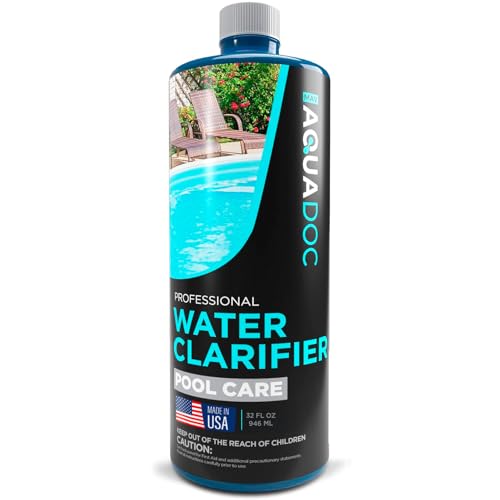
- Pool clarifier liquid for cloudy water
- Pool shock treatment 68-73% calcium hypochlorite
- Pool algaecide concentrate 60%
- Pool water test kit strips deluxe
- Pool filter cleaner and clarifier spray


Before You Start
Before applying chemicals, review the pool’s type (chlorine or saltwater) and current readings. Keep pets and children away from the water during chemical treatment and ensure proper ventilation if using indoor storage. Time estimates vary; plan for several hours to a full day depending on filtration and weather.
Surface prep includes brushing the walls and floor to dislodge algae or debris, ensuring good circulation, and confirming that the pool filter is in working order. Have fresh water on hand for potential dilution if readings exceed recommended ranges.
Step-By-Step: How To Clear Cloudy Pool Water
- Test the water with the deluxe test strips to measure free chlorine, total chlorine, pH, and alkalinity. Record the readings to guide treatment decisions.
- Adjust pH and alkalinity if needed. Target a pH around 7.2–7.6 and total alkalinity near 80–120 ppm to optimize chlorine effectiveness.
- Shock the pool with the pool shock treatment (68-73% calcium hypochlorite) following the product instructions. This raises sanitizer levels to kill organic contaminants and algae.
- Run the filter continuously for 24 hours or until the water clears, checking pressure on the filter and backwashing as needed to remove settled debris.
- Brush and vacuum the pool surfaces to dislodge algae and particulates, then vacuum to waste or to the filter, depending on your maintenance setup.
- Apply a clarifier or use the pool filter cleaner and clarifier spray to aid particle clumping and improve filtration efficiency. Recheck water clarity after 24–48 hours.
- Test again and balance after the debris settles. Reassess sanitizer levels and adjust as necessary to keep water within safe ranges.
- Prevent future cloudiness by maintaining proper chemical balance, regular shocking schedule, and periodic filter cleaning.
Troubleshooting
| Symptom | Likely Cause | Fix | Prevention |
|---|---|---|---|
| Water remains cloudy after shock | Insufficient filtration or high total dissolved solids | Backwash/filter clean; consider clarifier and extended filtration | Regular filter maintenance |
| Algae growth returns quickly | Low sanitizer or poor circulation | Boost chlorine cautiously; verify circulation; shock as needed | Consistent monitoring and routine algaecide use when balking |
| High chlorine after shocking | Over-shocking or rapid addition | Wait and retest; dilute with fresh water if advised | Follow label directions precisely |
| pH out of range after treatment | Chemical interaction or measurement timing | Re-test after 4–6 hours and rebalance | Test regularly and adjust gradually |
Common Mistakes
- Over-shocking or adding chlorine without testing first
- Neglecting to backwash or clean the filter promptly
- Using too much clarifier at once or mixing products improperly
- Ignoring pH and alkalinity targets during chemical adjustments
Tips For Best Results
- Check test strips daily during a cloudiness event to keep balance within safe ranges.
- Run the pump longer, especially during shock and clarifier application, to maximize contact with contaminants.
- Brush walls and floor every few days to prevent stubborn algae films from forming.
- Schedule quarterly or seasonal filter cleanings to maintain peak performance.
Call A Professional
Consider contacting a professional if cloudiness persists after 24–48 hours of treatment, if you notice persistent algae blooms, or if the water tests indicate consistently abnormal readings. Seek help when dealing with systems that require specialized equipment or chemical handling guidance.
FAQ
What causes cloudy pool water?
Common causes include unbalanced pH or alkalinity, inadequate sanitation, suspended particles, or algae. Regular testing and filtration help prevent cloudiness.
How often should I shock my pool?
During peak swimming season or after heavy use, shock as needed when tests show low chlorine or after rain, debris, or algae concerns.
Can I use a clarifier with visible algae?
Clarifiers help with particulates, but algae typically requires proper chlorine levels and algaecide treatment. Algaecide can be used as a preventive measure.
Is it safe to swim while treating the pool?
Only after readings are within acceptable ranges and the recommended wait times have passed on each product label.
Buying Guide
When choosing products to clear cloudy pool water, consider size, water type, and maintenance goals. Key factors include:
- Size and strength of shock treatment—ensure the product matches pool volume and usage patterns.
- Noise level and ease of use for home application, especially for outdoor pools near living spaces.
- Energy efficiency of the filtration system, and how often the pump should run during treatment.
- Controls and dosing—clear instructions and test-kit compatibility improve accuracy.
- <bPlacement—store products safely away from children and pets, with proper ventilation and away from direct sunlight.
For best results, pair a high-quality test kit with timely shocks and a reliable filter maintenance routine. Compare product formulations for compatibility with your pool type (in-ground vs. above-ground) and chosen sanitation method.