This guide explains proven methods to neutralize chlorine in hair, especially after swimming or prolonged exposure to treated water. It covers practical products, setup tips, and maintenance to protect hair health and color.
Readers will learn quick fixes and longer-term solutions to minimize chlorine damage using common filtration options tailored for American households.
Quick Answer
Use a dedicated chlorine removal shower filter head for fast results in the shower. For broader protection, consider a faucet-mounted chlorine water filter or a whole house system to reduce chlorine before it reaches hair and skin.
What You’ll Need
- chlorine removing shower filter head
- shower filter for chlorine removal
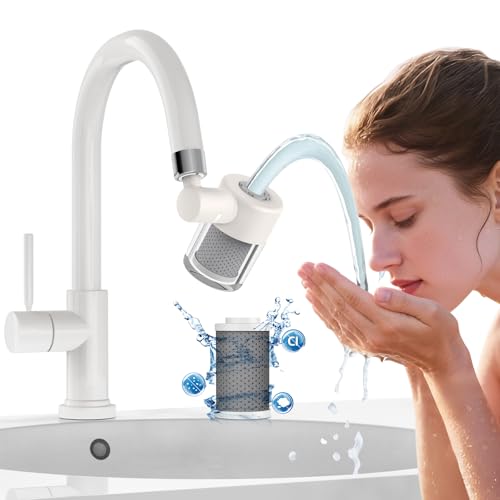
- faucet-mounted chlorine water filter
- whole house water filter chlorine removal
- bathroom water filter system chlorine


Before You Start
Assess your water source and choose the filtration level that matches your needs. Install filters according to manufacturer instructions and ensure compatibility with your shower or faucet. Safety note: turn off water supply when installing or changing filters to prevent leaks and water damage.
Estimate time: 30–60 minutes for a shower filter swap or faucet-mounted install; 2–4 hours for a whole house system. Check local plumbing codes if you plan major installations.
Step-By-Step: How To Remove Chlorine From Hair
- Identify your filtration goal: quick shower solution or whole-house protection.
- Shower-first option: install a chlorine removing shower filter head on the main shower outlet.
- Run water briefly after installation to prime the filter and remove any air pockets.
- Wet hair with pre-filtered water before applying shampoo or conditioner.
- Use a clarifying or chelating shampoo designed to remove minerals and chlorine residues, then rinse thoroughly.
- Rinse with conditioner to restore moisture and reduce scalp dryness caused by chlorine.
- For ongoing protection, consider a shower filter for chlorine removal as part of a regular hair care routine.
- If you have hard water, add a post-shower conditioner or a chlorine-neutralizing leave-in product.
- Evaluate water taste or smell changes; if chlorine odor persists, reassess filter effectiveness or replace the cartridge.
- For broader coverage, install a faucet-mounted chlorine water filter on bathroom sinks or a bathroom water filter system chlorine for entire-use protection.
- Schedule regular filter maintenance per the manufacturer’s guidelines to maintain performance.
- Commit to a seasonal check before heavy swimming periods to ensure optimal chlorine removal.
Troubleshooting
| Symptom | Likely Cause | Fix | Prevention |
|---|---|---|---|
| Water still smells strongly of chlorine | Filter cartridge is exhausted or undersized | Replace cartridge; verify flow rate matches filter rating | Choose a filter with higher chlorine removal capacity |
| Low water pressure after installing filter | Filter is clogged or incorrectly installed | Check for leaks, clean/replace the cartridge | Install correctly with proper seals and fittings |
| Hair feels dry after shower | Chlorine removal insufficient; other minerals present | Combine filter with conditioner or add a second-stage filter | Regular maintenance and appropriate filter type |
| Colored residue on hair | High mineral content or filter bypass | Re-check filtration setup; use mineral-removing filters | Test water quality periodically |
Common Mistakes
- Using a filter beyond its service life; cartridges degrade chlorine removal capability.
- Rushing installation without verifying seals, causing leaks or bypassing filtration.
- Relying on a single filter type when water has multiple contaminants or high mineral content.
- Skipping maintenance schedules, leading to reduced performance over time.
Regularly replacing filters and following manufacturer guidelines helps keep hair protected from chlorine damage.
Tips For Best Results
- Opt for a filter with proven chlorine reduction ratings and compatible flow rates for your shower.
- Combine a chlorine-removing shower filter with a hydrating conditioner to counteract dryness.
- Keep a spare cartridge on hand for easy replacements during peak swimming seasons.
- Consider a whole-house system if you have persistent chlorine exposure from multiple taps.
- Rinse hair with filtered water after swimming to minimize residual chlorine absorption.
Call A Professional
Consider professional help if:
- Plumbing modifications are required beyond simple filter swaps.
- You have complex plumbing with multiple water lines and pressure considerations.
- Leaks persist after filter installation despite correct procedures.
Consult a licensed plumber to ensure code-compliant installation and optimal water filtration performance.
FAQ
Is a chlorine filter necessary for hair care after swimming?
Many swimmers benefit from chlorine filtration to reduce hair dryness and color fading.
What’s the difference between shower filters and whole-house systems?
Shower filters target the water you use while showering; whole-house systems treat water at the source for all outlets.
How often should filters be replaced?
Replacement intervals vary by usage and cartridge type; follow the manufacturer’s guidelines.
Can I use regular shampoo with a chlorine removal filter?
Yes, and pairing with a clarifying or chelating shampoo can improve results by removing mineral buildup.
Buying Guide
When choosing a chlorine-reducing solution for hair care, consider size, placement, and maintenance. Key factors include:
- Size and fit: Ensure the unit fits your shower head, faucet, or plumbing layout.
- Noise level: Most modern filters are silent, but some systems may produce a slight hum during operation.
- Energy and water usage: Filters do not consume energy, but some whole-house systems affect water pressure; verify compatibility with your home’s supply.
- Controls and monitoring: Look for easy cartridge indicators or simple turn-and-tighten replacements.
- Placement: Choose near the water source to minimize chlorine exposure across outlets.
- Maintenance: Availability of replacement cartridges and service intervals should fit your routine.
- Cost of ownership: Consider initial installation plus ongoing filter replacements to compare overall value.
For many households, a chlorine removing shower filter head or a faucet-mounted filter provides a balance of effectiveness and ease of use. A whole house system offers maximum protection for those with consistently high chlorine exposure. Evaluate your water quality, budget, and maintenance willingness to pick the best option for protecting hair and skin.