Chimney odors can linger after a fire, especially if smoke deposits cling to fabrics, walls, and air. This guide walks through practical steps to reduce or eliminate chimney and fireplace smoke smells using safe, consumer-friendly products commonly available in the United States. The approach blends cleaning, deodorizing, and filtration to restore fresh indoor air.
Quick Answer
Start with a thorough chimney and fireplace clean, then use odor neutralizers and an activated carbon air purifier to capture smoke particles. If odors persist, repeat treatments with a fireplace deodorizer or odor-absorbing gel beads and finish with regular maintenance cleaning.
What You’ll Need
- Chimney odor neutralizer spray 12 oz
- Fireplace smoke odor eliminator spray
- Activated carbon air purifier for smoke odor
- Odor absorbing gel beads fireplace deodorizer
- Chimney cleaning brush kit with rods
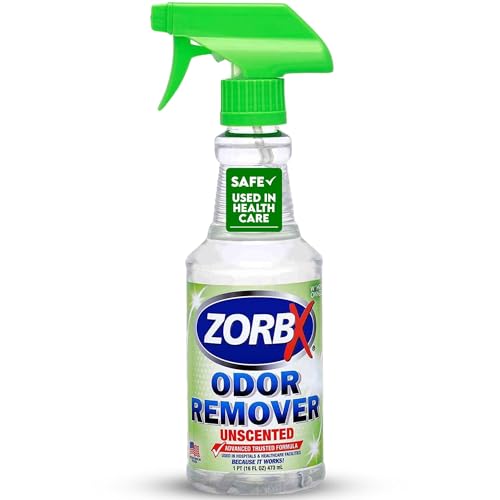
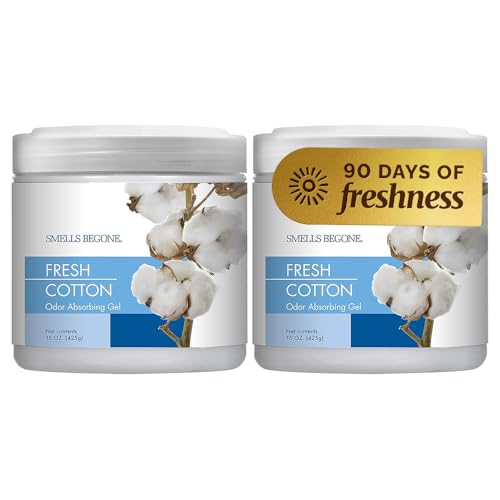

Before You Start
Assess the scope: light indoor odors from a recent fire may vanish with airing and surface cleaning, while deep-seated smells require targeted treatments. Ensure good ventilation during all steps. Protect surfaces with drop cloths and wear gloves and a mask when dealing with soot or spray products. Schedule tasks when the chimney and fireplace are cool and never spray aerosols directly into a closed chimney flue.
Time estimate: 2–6 hours depending on the level of odor and cleaning needed.
Step-By-Step: How To Eliminate Chimney Smell
- Ventilate the area: Open doors and windows, run a fan to create cross-ventilation, and keep the room well-lit so odors dissipate quickly.
- Inspect for residue: Look for visible soot, creosote stains, or odor sources around the fireplace and in nearby rooms.
- Clean the fireplace and chimney face: Use a chimney cleaning brush kit with rods to gently scrub soot from accessible brick, stone, or metal surfaces. Vacuum up loosened particles.
- Apply odor neutralizer spray: Lightly mist the interior surfaces where smoke smells cling, following the product directions. This helps break down odor-causing compounds.
- Use a fireplace deodorizer: Apply odor absorbing gel beads fireplace deodorizer on mantels or nearby surfaces to capture lingering scents.
- Set up an activated carbon purifier: Place the activated carbon air purifier for smoke odor in the room and run on a medium setting to capture microscopic particles.
- Address textiles: Move drapes, cushions, and blankets to sunlight if possible, or run a fabric-safe deodorizing spray to reduce smells on fabrics.
- Reassess smells after a day: If odors persist, reapply the odor eliminator spray and refresh gel bead packs. Poor ventilation or hidden residues may require another cleaning pass.
- Maintain air quality: Replace purifier filters as recommended and keep the area ventilated during use to prevent odor buildup.
- Schedule periodic maintenance: Regular chimney sweeps, especially after heavy use, help prevent future odors from taking hold.
- Document results: Note which products were most effective for future reference during seasonal cleanings.
- Follow up with final deodorization: A fresh spray or bead refreshment a week after initial treatment can seal the odor reduction.
Troubleshooting
| Symptom | Likely Cause | Fix | Prevention |
|---|---|---|---|
| Persistent odor after cleaning | Hidden residue or porous surfaces | Re-clean with chimney brush kit; reapply odor control spray | Regular cleaning after heavy use |
| Smell returns after several days | Ventilation gaps or new soot deposits | Improve airflow, check for new smoke sources | Keep purifiers running during use |
| Unpleasant chemical scent from sprays | Overuse or incompatible sprays | Switch to milder products for fabrics and surfaces | Follow label directions closely |
| Allergic reactions or irritation | Strong aerosols or airborne particles | Cease use and ventilate; consult a professional if symptoms persist | Test in a small area first |
Common Mistakes
- Using powerful sprays directly inside an active chimney flue
- Relying on a single product to solve deep-seated odors
- Neglecting textile fabrics near the fireplace that trap smells
- Ignoring regular maintenance like chimney cleaning and filter changes
Tips For Best Results
- Combine multiple approaches: cleaners, odor absorbers, and purifiers work better together than alone.
- Target the source first: cleaning the soot before masking odors yields longer-lasting results.
- Choose products that match the odor type: charcoal-based purifiers excel with smoky smells; sprays help with surface odors.
- Maintain continuous air movement during and after treatments to accelerate odor dissipation.
- Test products on inconspicuous areas to avoid staining fabrics or finishes.
Call A Professional
Stop signs to contact a pro include persistent odors after multiple treatments, visible creosote buildup, or recent chimney fire concerns. If soot or smoke odors recur after a professional cleaning, schedule a visit to assess structural or ventilation issues that basic products cannot resolve.
FAQ
What scent-free options help with chimney odor?
Look for odor neutralizers and gels labeled as fragrance-free to minimize additional scents while neutralizing smoke compounds.
Will activated carbon purifiers remove all smoke smells?
Activated carbon devices absorb many odors, but combined strategies—surface cleaning and proper ventilation—yield the best results.
How often should I clean the chimney to prevent odors?
Have a professional chimney sweep at least once a year, or more often with heavy use or after long periods without cleaning.
Can I use essential oils to mask chimney smells?
Avoid masking odors with strong essential oils, which can irritate lungs or interact with chimney residues; rely on neutralizers and purifiers instead.
Buying Guide
Choosing the right products to combat chimney smell involves considering odor source, room size, and ventilation. Here are key buying factors to help Americans select effective solutions:
- Size and coverage: Select aerosol sprays and odor absorbers that suit the room’s square footage. Larger spaces benefit from multiple methods or higher-capacity products.
- Odor control chemistry: Look for products labeled for smoke odor and soot with active ingredients that neutralize volatile organic compounds common in chimney smells.
- Filtration options: An activated carbon air purifier is effective for ongoing odor removal, especially in rooms with limited airflow.
- Surface compatibility: Ensure sprays and gels are safe for wood, brick, upholstery, and fabrics present in the room.
- Installation and ease of use: Choose tools and kits with straightforward assembly and clear directions for homeowners.
- Maintenance needs: Consider products with replaceable filters or refillable gels to reduce ongoing costs and waste.
- Placement: Position purifiers away from direct heat sources and ensure power outlets or battery operation suits the room layout.
- Safety: Read safety data sheets and use protective gear during application; avoid mixing products unless specified by the manufacturer.
With the right combination of cleaning, deodorizing, and filtration, American homeowners can restore fresh air quickly after chimney use. If odors persist beyond a typical cleanup, consult a professional to evaluate structural or ventilation concerns and ensure long-lasting results.