Chiggers, tiny red mites that cause itchy bites, can be a nuisance in yards and on skin. This guide outlines practical, natural methods to reduce chigger presence without harsh chemicals. By combining preventive measures with safe DIY sprays, homeowners can lessen exposure while supporting a healthier outdoor space.
Quick Answer
Quick method: apply diatomaceous earth to the soil, use a garden sprayer for natural pest control spray on vegetation near play areas, and treat skin exposure with citronella or essential oil sprays as a preventive skin barrier. For ongoing control, rotate natural products and monitor shaded, grassy, and edge zones where chiggers thrive.
What You’ll Need
Before starting, assemble a basic toolkit of natural products. The following items align with common organic pest control practices and the listed product keywords:
- diatomaceous earth garden pest control powder
- garden sprayer for natural pest control spray
- neem oil spray bottle outdoor pest control
- citronella essential oil spray for skin repellent
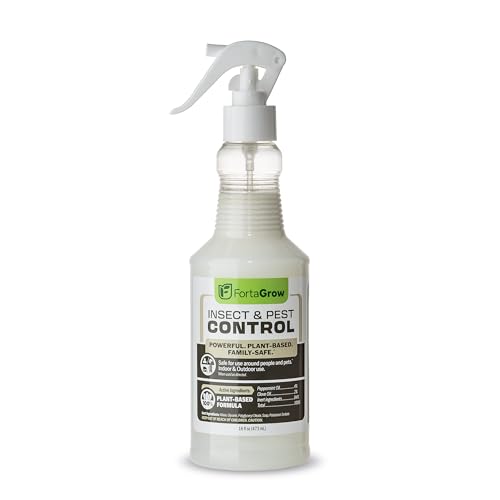
- essential oil pest control spray bottle for chiggers


Before You Start
Prepare the outdoor area by mowing lawns, trimming dense vegetation, and removing leaf litter where chiggers hide. Wear long sleeves, pants tucked into socks, and closed-toe shoes when applying soil or spray products. Test a small skin area before broad application to check for sensitivity. Allow for at least a few hours of dry weather between treatments to maximize absorption. Important: avoid overuse of concentrated essential oils on skin, and follow label directions for any spray product.
Step-By-Step: How To Get Rid Of Chiggers Naturally
- Apply diatomaceous earth to exposed soil and beneath low-lying plants to disrupt the chiggers’ habitat. Reapply after rain or irrigation.
- Dust pathways and lawn edges with a thin, even layer; focus on shaded areas where chiggers congregate during warm months.
- Prepare a natural spray using garden sprayer for natural pest control spray and target plants, grasses, and perimeters near play zones or seating areas.
- Spray on outdoor foliage to create a physical barrier that deters parasite contact with skin or clothing.
- Introduce neem oil spray bottle outdoor pest control as a preventive treatment around borders, mulch beds, and entry points to your yard.
- Use essential oil pest control spray bottle for chiggers in areas with high activity, ensuring even coverage without oversaturation.
- Apply citronella essential oil spray for skin repellent to exposed skin when outdoors, especially during late spring and summer.
- Reapply every 1–2 weeks or after heavy rainfall, maintaining consistent barrier coverage.
- Routinely check shoes, socks, and pant cuffs for chigger presence after outdoor exposure and launder clothing promptly.
- Maintain a clean yard by removing tall grasses, stacked wood, and dense ground cover that can harbor mites.
- Consider rotating products to minimize resistance and reduce dependence on a single method.
- Monitor pets and children for itching or bite marks, adjusting treatments if exposure persists.
Troubleshooting
| Symptom | Likely Cause | Fix | Prevention |
|---|---|---|---|
| Persistent itching after outdoor time | Residual chiggers in lawn grass | Reapply targeted sprays and dust diatomaceous earth in problem zones | Maintain regularly scheduled barrier treatments |
| Skin irritation after spray | Sensitivity to essential oils | Test patch before full use; dilute according to label | Use milder concentrations or switch products |
| Spray clumping on plants | Over-saturation | Apply lighter, even coats; avoid dripping | Follow spray device guidelines |
| Wildlife or pet exposure | Direct contact with treated areas | Keep pets off treated zones until dry | Schedule treatments for low-traffic times |
| Recurrent chigger activity after rain | Soil moisture promotes habitat | Reapply after drying periods | Improve drainage; remove standing water |
Common Mistakes
- Overlapping chemical and essential oil sprays without proper dilution
- Applying diatomaceous earth in windy conditions, causing drift
- Relying on a single method instead of an integrated approach
- Forgetting to reapply after rain or heavy dew
- Ignoring pet and child safety when using outdoor sprays
Tips For Best Results
Consistency matters in natural chigger control. Rotate products to reduce mite adaptation and avoid any single product becoming less effective. Keep treated zones clean and mowed; chiggers prefer tall grass and leaf litter. Use a multi-layered approach: soil treatment, barrier sprays, and skin repellents. For sensitive individuals, prioritize skin-safe options like citronella on exposed skin, and test any new product on a small patch first.
Call A Professional
Consider professional help if:
- Chigger activity remains high after several weeks of natural treatments
- Allergies or skin reactions occur with any product
- Outdoor spaces are large, densely vegetated, or frequently used by children or pets
Seek an exterminator or pest control expert who offers organic or integrated pest management (IPM) options to tailor a plan to your landscape and climate.
FAQ
What is the fastest natural method to reduce chiggers?
Combining diatomaceous earth dusting with targeted natural sprays provides quick barrier formation in high-activity zones.
Can citronella alone protect me from chiggers?
Citronella helps repel by scent but should be used with other methods for comprehensive protection.
Is neem oil safe for pets?
Neem oil is generally safe when used as directed, but avoid direct contact with pets’ eyes and skin; consult a vet for sensitive animals.
How often should I reapply natural chigger treatments?
Reapply every 1–2 weeks or after rainfall, with additional applications during peak chigger seasons.
Will these methods work indoors or on clothing?
Most approaches target outdoor habitats; wash clothing after outdoor use and consider skin-safe repellents for exposed areas.
Are there environmental benefits to natural chigger control?
Yes, natural methods reduce chemical runoff and support beneficial insects while managing mite populations.
Buying Guide
When selecting products for natural chigger control, consider size, noise level (for garden sprayers), energy efficiency, controls, and placement. For example, a compact garden sprayer should fit storage space and offer adjustable nozzle patterns for precise application. Look for diatomaceous earth labeled for garden use and non-clogging sprayers to minimize maintenance. Essential oil sprays should be clearly labeled for outdoor use and skin contact, with dilution guidance. Assess whether your landscape includes shaded zones, tall grass, or edge borders that require more frequent treatment. A balanced mix of soil treatments, barrier sprays, and skin repellents tailored to your yard size and usage will typically yield the best natural results. Would you benefit from a simple rotation plan to keep chiggers guessing and your outdoor area safer? A well-rounded kit with the products listed above supports a practical, low-toxicity approach that fits most American yards.