Cat marking can be a persistent issue for many households. This guide walks through practical, proven steps to eliminate the odor and reduce the likelihood of future incidents. By combining enzymatic cleaners with smart odor management, owners can restore a fresher home environment and deter re-marking.
Quick Answer
Act quickly with an enzymatic pet urine cleaner designed for cat marking, then follow with ongoing odor control. Use a dedicated cat urine remover enzymatic cleaner to break down proteins and pheromones, repeat as needed, and ventilate the area. For persistent odor, consider a pet odor neutralizer spray and evaluate placement and behavior triggers.
What You’ll Need
- Enzymatic pet urine cleaner cat marking remover
- Cat urine remover enzymatic cleaner 16oz
- Pet odor neutralizer spray for cat marking
- Ozone generator for pet odor elimination
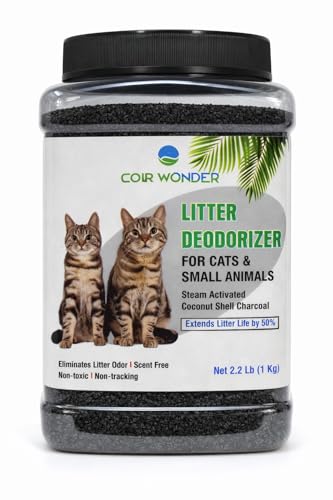
- Activated carbon pet odor absorber for cats


Before You Start
Prepare the area by removing all sources the cat may use for marking, including soiled bedding or fabrics. Ventilate the space where you’ll treat the area and read each product’s label for safety instructions. Test cleaners on inconspicuous fabric or carpet first to avoid color change or staining. Time estimates vary by area size: plan 1–4 hours for treatment, plus drying time.
Step-By-Step: How To Use Cat Marking Removers And Odor Controls
- Identify all marked areas by location and odor intensity. A blacklight can help locate urine deposits hidden in carpeting or upholstery.
- Blot fresh urine with paper towels to remove as much liquid as possible, without rubbing it deeper into fibers.
- Apply an enzymatic pet urine cleaner cat marking remover to the contaminated area. Saturate thoroughly to ensure enzymes reach all fibers.
- Allow the enzymatic cleaner to dwell as directed by the product label. The enzymes break down proteins and pheromones that trigger marking behavior.
- For stubborn spots, apply a second round of cat urine remover enzymatic cleaner 16oz after the first application dries.
- After enzymatic treatment, use a pet odor neutralizer spray for cat marking to address residual odors and refresh surrounding air.
- Ventilate the space and run a fan or open windows to speed drying. Avoid vacuuming until surfaces are completely dry to prevent re-release of odors.
- If you use a specialized odor device such as an ozone generator for pet odor elimination, follow strict safety guidelines: remove pets and humans from the area during operation and adhere to device timer settings. Never run ozone devices in occupied spaces.
- Place activated carbon pet odor absorber for cats near treated areas to capture remaining volatile compounds and improve long-term freshness.
- Reassess the area after 24–72 hours. Re-treat if any odor remains and reintroduce softened routines to deter marking.
- Address underlying triggers by providing litter box etiquette, environmental enrichment, and consistent routines to discourage future marking attempts.
Troubleshooting
| Symptom | Likely Cause | Fix | Prevention |
|---|---|---|---|
| Odor returns after cleaning | Residual pheromones or proteins not fully addressed | Reapply enzymatic cleaner and allow thorough drying | Clean regularly and seal porous surfaces if needed |
| Area remains damp | Over-wetting or slow drying | Increase ventilation; use fans; re-check substrate absorption | Apply thinner coats, allow full dry between applications |
| Unpleasant smell during treatment | Ongoing contamination or product interaction | Rinse with plain water if product permits; switch cleaners | Test products separately on inconspicuous areas |
| Cat continues to mark in treated area | Behavioral trigger or relocation of marking source | Provide litter area improvements and environmental enrichment | Consistent routines and supervised access initially |
Common Mistakes
- Using scented cleaners that mask odor rather than remove it
- Overlooking hidden areas where urine may soak into carpet padding or upholstery
- Relying solely on odor masking sprays without enzymatic action
- Applying ozone devices without safety precautions
- Neglecting to address behavioral or environmental triggers
Tips For Best Results
- Always follow the contact time recommended on enzymatic cleaners for maximum effectiveness.
- Test any product on a small, hidden area before full application to prevent staining.
- Combine enzymatic cleaning with ongoing odor management such as activated carbon absorbers for continuous freshness.
- Limit access to treated rooms until completely dry to prevent re-soiling.
- Consider a regular cleaning schedule to reduce routine pheromone buildup and discourage marking.
Call A Professional
Seek professional help if odor persists after multiple cleaning attempts, or if urine has soaked into structural materials or floorboards. Also consult a pro if there are aggressive or stressed behaviors contributing to marking or if you’re unsure about using ozone generators or other advanced treatments. Pro guidance can help tailor a plan to your home and cat’s needs.
FAQ
What is the best enzymatic cleaner for cat marking?
Look for a dedicated enzymatic pet urine cleaner cat marking remover designed to break down proteins and pheromones, and apply as directed.
Can I use an ozone generator for pet odor elimination indoors?
Ozone generators are effective but require strict safety measures. Do not use them in occupied spaces and follow all manufacturer instructions.
How soon can I re-enter a treated room?
Wait until surfaces are completely dry as indicated by product instructions and environmental conditions.
Will activated carbon absorbers remove all odors?
Activated carbon helps absorb odors but works best when used alongside enzymatic cleaners and good ventilation.
Should I replace carpet after a marking incident?
Replacement is rarely needed; however, severe or repeated contamination of padding or subfloor may require professional assessment.
How can I prevent future marking?
Address triggers like litter box location, access, and enrichment, while maintaining a calm household routine that reduces stress for the cat.
Buying Guide
When choosing products to combat cat marking, consider size, odor strength, and long-term maintenance. Key buying factors include:
- Size and coverage: For large rooms or multi-room homes, select enzymatic cleaners with enough volume to treat multiple areas.
- Odor strength: Heavier odors may require stronger enzymatic cleaners plus an odor neutralizer spray to refresh air.
- Energy and safety features: If considering ozone devices, prioritize models with timers and safety interlocks for pet-free operation.
- Controls and ease of use: Simple spray bottles or ready-to-use formulas reduce the chance of misuse.
- Placement: Plan to place activated carbon odor absorbers near frequent marking zones and in airing spaces for continuous freshness.
- Combination options: A kit combining enzymatic cleaners, odor neutralizers, and odor absorbers often delivers better results than single products.
Is your space sized for a particular product? Do you prefer fragrance-free formulas? Would you benefit from an odor absorber added to a closet or laundry area? These considerations help tailor the right kit for your home.