Carpet odors can linger from spills, pets, smoke, or everyday wear. A clean, fresh carpet improves air quality and makes rooms feel inviting. This guide provides practical, step-by-step methods using common household products and proven cleaners to remove odors at the source.
Quick Answer
Target the odor at its source with a combination of deodorizing powders, enzyme cleaners for pet urine, odor-neutralizing sprays, and a dedicated carpet cleaner machine with odor removal capabilities. For stubborn smells, blend baking soda with a deodorizer and repeat as needed.
What You’ll Need
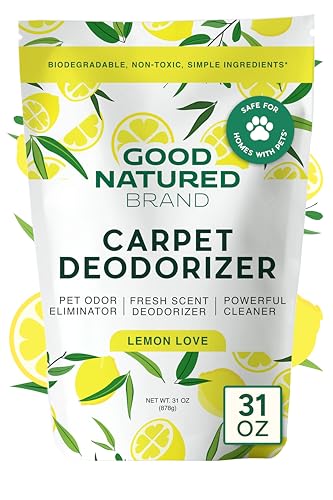
- Carpet deodorizer powder for odor removal
- Enzyme carpet cleaner for pet urine odor
- Carpet cleaner machine with odor removal
- Odor neutralizer spray for carpets
- Baking soda carpet odor remover powder


Before You Start
Assess the odor source and test any product on a small inconspicuous area of carpet first. Clear the space of furniture and vacuum deeply to remove loose dirt. Allow treated areas to dry completely before resuming use. Avoid mixing cleaners unless directions explicitly allow it, and keep children and pets away during treatment.
Estimated time: 1–3 hours for initial treatment; drying times vary by product and room conditions.
Step-By-Step: How To Get Rid Of Carpet Odor
- Vacuum thoroughly the entire area to remove dirt and debris that can trap odors.
- Apply baking soda powder evenly across the carpet, focusing on odor zones. Let it sit for 15–60 minutes to absorb moisture and smells.
- Gently vacuum up the baking soda, ensuring it is removed from fibers.
- Apply carpet deodorizer powder for odor removal according to label directions, concentrating on high-traffic areas and spots with lingering odors.
- For pet-related smells, use an enzyme carpet cleaner for pet urine odor to break down organic molecules at the source. Follow product instructions for dwell time.
- Run a carpet cleaner machine with odor removal capabilities over the treated area to extract moisture and embedded odors.
- After extraction, spritz a light layer of odor neutralizer spray for carpets to refresh the surface and prevent immediate odor rebound.
- Allow the carpet to dry completely. Reassess smells and repeat steps 2–4 if needed for persistent odors.
Troubleshooting
| Symptom | Likely Cause | Fix | Prevention |
|---|---|---|---|
| Odor returns after cleaning | Moisture or hidden spill remained | Re-treat with enzyme cleaner and ensure thorough drying | Address spills immediately; use a dehumidifier in damp areas |
| Smell persists in high-traffic areas | Fibers retained odors in padding | Apply deodorizer powder and machine cleanings again; consider professional cleaning | Schedule periodic maintenance cleanings |
| Streaks or residue after cleaning | Over-application of product | Vacuum thoroughly and wipe with a clean damp cloth | Follow label directions closely |
| Allergic irritation after cleaning | Strong chemical exposure | Ventilate room; switch to milder products or enzyme-based cleaners | Test products first; use low-odor formulations |
Common Mistakes
- Using too little product and assuming odors will disappear
- Over-wetting carpets, which trapped moisture and caused new odors
- Relying on sprays alone without addressing the source
- Skipping a patch test on delicate carpet fibers
Tips For Best Results
- Match products to the odor source: baking soda for general smells, enzyme cleaners for organic pet odors, and odor-neutralizing sprays for quick refreshes.
- Always dry carpets completely before re-laying furniture to prevent mold and mildew odors.
- Regular vacuuming and prompt cleanup of spills reduce odor accumulation over time.
- Consider a carpet cleaner machine with odor removal if odors persist after spot treatments.
- Ventilate the room well during and after treatment to speed drying and reduce chemical exposure.
Call A Professional
Seek professional carpet cleaning if the odor remains after multiple at-home treatments or if stains are extensive, persistent, or involve pets with urine that has deeply penetrated padding. Stop treatments and contact a pro if there are signs of mold, persistent dampness, or discoloration. A professional can assess padding integrity and use equipment designed to extract deeply embedded odors.
FAQ
What is the fastest way to remove carpet odor?
For quick results, combine baking soda on the carpet for 15–60 minutes with a quick spritz of odor neutralizer spray, followed by thorough vacuuming.
Are enzyme cleaners safe for pets and kids?
Most enzyme cleaners are formulated to be pet- and child-friendly when used as directed and allowed to dry completely. Always check the label for safety guidance.
Can I use vinegar to remove odors from carpet?
Vinegar can help with some odors, but it may leave its own scent and can discolor delicate fibers. Test a small area first or stick to recommended products.
How often should I deodorize my carpets?
Deodorizing once every few months or after significant spills and pet incidents helps maintain freshness between deep cleanings.
What’s the difference between baking soda and carpet deodorizer powder?
Baking soda absorbs moisture and odors, while carpet deodorizer powders often contain fragrances and odor-neutralizing agents for longer-lasting effects.
Buying Guide
When choosing products to combat carpet odor, consider several factors to fit your space and lifestyle.
Size and coverage: For large rooms, choose deodorizing powders or enzyme cleaners with ample coverage or a machine capable of treating whole areas. Smaller spaces benefit from targeted sprays and spot treatments.
Noise level: Carpet cleaner machines vary in sound. If you’re cleansing in a living area, look for models with quieter operation or run sessions during off-hours.
Energy efficiency: Electric carpet cleaners consume energy. Compare models with efficient motors and shorter run times to reduce energy use.
Controls and ease of use: Simple spray, dwell time, and vacuum settings help ensure consistent results. Clear labels reduce misuse and over-application.
Placement and storage: Store products away from children and pets. Keep powders in sealed containers and sprays in upright, stable locations to prevent leaks.
Odor source compatibility: If pet urine is a recurring issue, prioritize enzyme cleaners designed for organic odors and consider a machine with odor removal features for deeper extraction.
By balancing these factors, users can select the most effective combination of products to keep carpets smelling fresh and welcoming. If odor sources are deeply embedded, a multi-step approach—pre-cleaning, enzymatic treatment, deodorizing powders, and mechanical extraction—often yields the best results.