Butt wink, the rounding of the lower back at the bottom of a squat, is a common issue for lifters. It can limit depth, affect form, and raise concerns about back health. This guide explains practical, evidence-based steps to minimize or eliminate butt wink through mobility, activation, and technique adjustments.
By following structured routines and using targeted tools, athletes can improve squat depth and stability while protecting the spine. The methods below are designed for a wide range of experience levels and aim to be safe, effective, and repeatable.
Quick Answer
Key takeaway: Improve ankle and hip mobility, activate glutes, and adjust stance and depth gradually. Use supportive wedges or lifts only as needed and progress toward more stable positions with controlled reps.
What You’ll Need
- squat butt wink fix wedge board
- ankle mobility wedge for deep squat
- hip mobility strap for squats
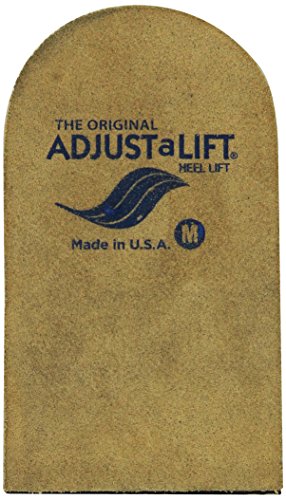
- heel lift for squats to fix butt wink
- glute activation and mobility kit for squat performance


Before You Start
Assess your current squat depth and lumbar position with a neutral spine. Look for excessive rounding and any knee cave. Safety first: use a stable setup, clear the area of obstacles, and warm up thoroughly before attempting new mobility drills. Time estimate for a routine: 15–25 minutes per session, 3–5 times per week. If you experience sharp pain, stop immediately and seek professional guidance.
Step-By-Step: How To Correct Butt Wink In Squats
- Warm up with dynamic hip and ankle movements to prepare the joints for deeper ranges of motion.
- Check your stance width and foot angle. A slightly wider stance with toes pointed outward can reduce excessive lumbar rounding for some lifters.
- Use the ankle mobility wedge for deep squat to gently improve ankle dorsiflexion, allowing the shin to remain upright without forcing the lower back into flexion.
- Integrate the heel lift for squats to fix butt wink as a temporary aid if needed, ensuring the lift is stable and level across reps.
- Incorporate the hip mobility strap for squats to increase hip flexion and posterior chain mobility through controlled traction and stretching.
- Perform glute activation drills from the glute activation and mobility kit for squat performance, such as glute bridges, clamshells, and band-resisted lateral steps.
- Practice controlled squats with a shallow depth, focusing on maintaining a neutral spine. Progress depth gradually as comfort improves.
- Include tempo cues: sit back and hinge at the hips, rather than purely bending the knees, to promote posterior chain engagement.
- Record and review progress with a mirror or video. Look for a smoother, more neutral lower back position at the bottom of each rep.
- Reduce reliance on footwear lifts over time. Move toward stable ground and ensure ankle and hip mobility are sufficient for desired depth without support.
- Cycle in mobility and activation work between sets to reinforce new motor patterns during training sessions.
- Reassess weekly, adjusting stance, depth, and drill emphasis based on progress and comfort.
Troubleshooting
| Symptom | Likely Cause | Fix | Prevention |
|---|---|---|---|
| Persistent butt wink despite drills | Limited ankle dorsiflexion or hip mobility | Increase ankle and hip work; recheck stance alignment | Regular mobility routine; progressive loading |
| Lower back tucks under load | Core/bracing not maintained | Practice bracing and core activation; reduce weight | Consistent bracing drills before sets |
| Knee cave during squat | Weak glutes/hip abductors | Glute activation routine; strengthen abductors | Pre-activation before heavy sets |
| Foot valgus or ankle instability | Foot mechanics limit depth | Stability work for feet; adjust footwear | Foot strengthening and balance work |
Common Mistakes
- Relying on a heel lift indefinitely instead of addressing mobility gaps
- Rounding the back under load before depth is achieved
- Ignoring glute engagement in favor of knee-dominant squats
- Overloading the bar early in the process, masking mobility issues
Addressing butt wink requires disciplined practice and balanced attention to ankles, hips, and core. Combining mobility work with activation helps build sustainable depth and form.
Tips For Best Results
- Mix dynamic warm-ups with targeted stretches for 5–10 minutes before each session.
- Use a progressive approach: start shallow, then gradually deepen as control improves.
- Consistency is key—short, frequent sessions beat sporadic, long workouts for mobility gains.
- Pair mobility work with proper warm-up sets to prime the posterior chain.
- Keep a training log to track depth, spine position, and bar speed over time.
Call A Professional
Seek a professional if you experience persistent pain, sharp sensations in the spine, or if mobility drills cause discomfort beyond mild tension. Consider a physical therapist or certified strength and conditioning coach who can assess your movement patterns, tailors exercises to your anatomy, and ensures safe progression.
FAQ
What causes butt wink during squats?
Butt wink often results from a combination of limited ankle and hip mobility, inadequate glute engagement, and technique factors such as depth and spine control.
Do wedges or heel lifts help permanently?
Wedges and heel lifts can be helpful temporary aids while mobility improves, but they should not become a long-term dependence. Use them as a transition tool.
What stretches help reduce butt wink?
Dynamic ankle dorsiflexion drills, hip flexor and adductor mobility, and posterior chain activation routines are commonly beneficial.
Should I squat lighter to fix butt wink?
Yes, lighter loads with a focus on technique and control can reduce compensations while mobility improves.
How long does it take to see improvement?
Improvements can appear within 4–8 weeks of consistent mobility and activation work, with ongoing progress as you refine technique.
Is foot position important?
Foot position affects knee tracking and hip alignment. Small adjustments to stance width and toe angle can influence depth and spinal position.
Buying Guide
When choosing tools to help fix butt wink, consider size, material, and how the item integrates into a broader mobility program. Look for durable construction and clear instructions for use. The right tools should support progressive training without creating new compensations.
Key buying factors include:
- Size and fit: Ensure wedges or lifts suit your footwear and stance. Look for non-slip surfaces and stable bases.
- Noise level and feel: Some mobility tools have minimal noise and comfortable materials for longer sessions.
- Energy efficiency: Not directly applicable to tools; focus on durability and reusability.
- Controls and adjustability: Prefer adjustable heel lifts or multi-use mobility kits that accommodate different squat styles.
- Placement and portability: Choose compact tools that travel well to studios or gyms.
Compare options like a dedicated squat wedge board, ankle mobility wedges, hip mobility straps, heel lifts, and a comprehensive mobility kit to support activation routines. Consider how each item fits into a balanced program of mobility work, activation drills, and progressive squat practice.