Burnt odors can linger long after the source is gone, making a home feel uncomfortable. This guide explains practical, safe steps to remove residual smell from indoor spaces using common air-cleaning tools and odor-neutralizing methods tailored for American homes.
Following a structured plan helps restore air quality quickly. The guidance below covers quick fixes, equipment you can use, and best practices to prevent reoccurrence.
Quick Answer
Act fast: open windows, turn on fans, and run a primary air purifier or scrubber. Use activated charcoal or carbon-adsorbing filters to capture lingering particles and odors. For stronger smells, combine multiple methods and ventilate for several hours. Avoid re-smelling hotspots by keeping doors open to improve airflow.
What You’ll Need
- Activated charcoal odor absorber for room
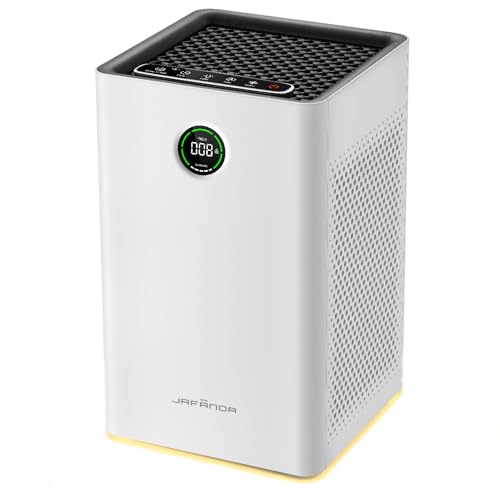
- HEPA air purifier with activated carbon filter
- Portable air scrubber with carbon filter
- Home ozone generator for odor removal safety kit
- Smoke odor neutralizer machine with HEPA carbon


Before You Start
Assess the area: identify rooms most affected and sources of odor. Ensure proper ventilation by opening windows and turning on exhaust fans. Do not mix ozone generators with occupied spaces—use only when spaces are empty and follow manufacturer safety guidelines. Plan for a multi-hour remediation window, as odors can outlast visible damage. Wear a simple mask if particles are heavy and consider gloves when handling compromised materials.
Step-By-Step: How To Get Rid Of Burnt Odor In House
- Ventilate the space thoroughly by opening windows on opposite sides of the home to promote cross-ventilation.
- Remove damaged materials if they are charred or heavily soiled and safe to handle, placing them in sealed bags to prevent new odors from spreading.
- Run a HEPA air purifier with an activated carbon filter in the affected area to capture fine particles and adsorb odors.
- Place activated charcoal odor absorbers in strategic spots (near the source, in hallways, and in rooms with poor airflow) to boost odor removal.
- Operate a portable air scrubber with carbon filter to continuously scrub the air, especially in enclosed rooms.
- If odors are persistent, consider using a smoke odor neutralizer machine with HEPA carbon to target residual smoke compounds without overwhelming the space.
- Clean all fabrics and soft furnishings that may trap odors using appropriate cleaners or steam cleaning where safe.
- Wipe down hard surfaces with a mild, non-reactive cleaner to remove surface residues that can harbor odors.
- Run the filtration equipment for 4–12 hours per day over several days, monitoring air quality and fan noise to balance effectiveness and comfort.
- Reintroduce occupants gradually as odor levels decrease and air feels fresh; recheck rooms after 24–48 hours.
- Use odor-neutralizing sprays sparingly and only after cleaning surfaces to avoid masking persistent smells with aerosols.
- Maintain a routine cleaning schedule and consider ongoing filtration to prevent odor buildup from cooking, smoking, or accidental burning.
Troubleshooting
| Symptom | Likely Cause | Fix | Prevention |
|---|---|---|---|
| Odor persists after treatment | Insufficient filtration or hidden odor sources | Increase purifier run time; inspect hidden areas (attics, crawl spaces) | Regular maintenance and prompt cleanup of new odors |
| Unpleasant chemical smell from equipment | Filters saturated or not compatible with odors | Replace filters with activated carbon/HEPA types; ensure proper fit | Schedule filter changes per manufacturer guidance |
| Ozone generator odor | Ozone concentration too high or space not ventilated | Cease use, ventilate, recheck safety instructions | Avoid use in occupied rooms |
| Visible smoke stains remain | Surface residues not fully cleaned | Deep clean fabrics, carpets, and furniture; consider professional cleaning | Address source early to minimize residue |
Common Mistakes
- Relying on a single method; odors often require multiple approaches.
- Running ozone generators in occupied spaces without proper safety measures.
- Ignoring hidden odor sources like HVAC ducts or upholstery.
- Neglecting filter maintenance; clogged filters reduce effectiveness.
Tips For Best Results
- Run filtration devices at higher fan speeds for shorter bursts to maximize odor removal without excessive noise.
- Place carbon-based absorbers near air intake points to prevent re-circulation of odors.
- Combine mechanical filtration with deodorizing cleaners for hard surfaces and fabrics.
- Document odor hotspots and monitor changes over time to assess progress.
Call A Professional
Consider contacting a professional if any of the following apply: the odor covers multiple rooms with no improvement after several days, there is visible smoke damage to complex materials, or structural elements (walls, insulation) show charring. For large homes or commercial spaces, a remediation specialist can perform targeted ventilation, duct cleaning, and professional-grade air cleaning with proper safety protocols.
FAQ
How long does it usually take to remove burnt odors?
Time varies by space size and odor intensity, but most moderate cases improve within 24–72 hours with active filtration and ventilation.
Can I use an ozone generator outdoors or in an unoccupied room?
Yes, but only in unoccupied spaces with strict adherence to safety guidelines and ventilation after use.
Are activated charcoal absorbers effective for all odors?
They work well for many organic odors but may be less effective for strong chemical or chlorine smells; pair with other filtration methods.
Should I replace HVAC filters after a burn event?
Yes, inspect and replace HVAC filters to prevent recirculation of odors and smoke particles.
Buying Guide
When choosing odor-removal equipment, consider size, noise level, energy efficiency, controls, and placement. Bigger rooms benefit from higher-capacity purifiers or scrubbers, while smaller areas may be adequately served by compact units. Look for units with activated carbon filtration and true HEPA filtration for best results. Noise-friendly models with adjustable speeds help maintain comfort during treatment. Energy-efficient options reduce ongoing costs during longer remediation periods. For placement, position units to optimize airflow—avoid obstructed locations and ensure even coverage across the affected space. Safety features and clear usage instructions are essential, especially when using equipment like ozone generators or chemical absorbers.