Blackbirds can be persistent, but homeowners can manage them with humane, targeted methods. This guide outlines practical steps to deter blackbirds while minimizing impact on beneficial birds and the garden ecosystem. It emphasizes safe setups, non-lethal deterrents, and a layered approach that adapts to seasonal behavior.
Quick Answer
Use a combination of visual, physical, and humane deterrents to disrupt blackbird roosting and foraging without harming other birds. Start with barriers and spacing, add reflective or sound-based cues, and monitor effectiveness weekly. Rotate deterrents to prevent adaptation.
What You’ll Need
- Ultrasonic bird repeller outdoor weatherproof for broad-area deterrence
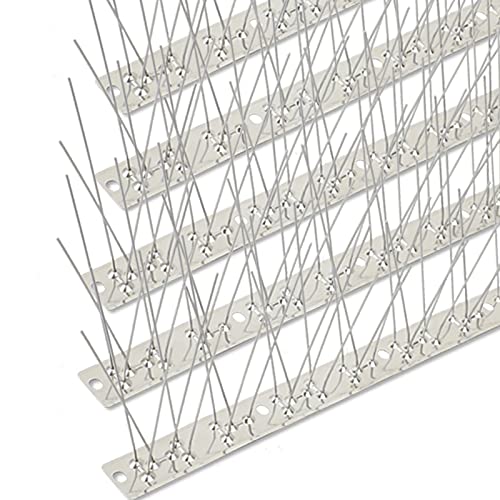
- Stainless steel bird spike strip for roof gutters to block perches
- Mylar reflective bird deterrent tape 32ft to create moving reflections
- Garden bird netting for fruit trees 8×12 ft to protect fruit and prevent access
- Plastic owl decoy scare bird deterrent for garden to misdirect roosting


Before You Start
Before deploying deterrents, survey the area to identify where blackbirds concentrate and what attracts them (roosts, fruit, food scraps). Prepare the space by removing spilled seeds and trimming branches that provide easy perches. Safety first—keep ladders stable and wear eye protection when installing spikes or netting. Estimate a time frame of 1–3 weeks to assess initial impact and adjust tactics as needed.
Step-By-Step: How To Get Rid Of Blackbirds And Keep Other Birds
- Identify primary roosting spots and feeding areas for blackbirds around your property.
- Install stainless steel bird spike strips for roof gutters along perches, ledges, and eaves to deter landing.
- Position plastic owl decoy scare bird deterrent in visible garden corners facing typical roosting sites.
- Apply mylar reflective bird deterrent tape on fence lines, trellises, or tree canopies to create shifting reflections.
- Consider an ultrasonic bird repeller outdoor weatherproof as a secondary coverage for larger areas where spikes and netting aren’t practical.
- Adjust placement every week based on where birds continue to land or feed; hens often shift roosts with changes in wind or weather.
- Keep deterrents distinct in color and texture so birds do not habituate to a single cue.
- Monitor fruit trees for signs of damage and re-tighten nets or reposition spikes if needed.
- Reassess after two weeks and rotate or layer deterrents to maintain effectiveness.
<li set up garden bird netting for fruit trees around fruit-bearing trees to block access during ripening.
Troubleshooting
| Symptom | Likely Cause | Fix | Prevention |
|---|---|---|---|
| Blackbirds still roosting on eaves | Perches not blocked | Reposition spikes, add netting or tape | Rotate deterrents seasonally |
| Deterrents ignored after weeks | Habituation | Switch to a different cue or combination | Mix visual and physical barriers |
| Bird netting tears or becomes saggy | Poor installation | Reinstall with tighter lines and proper supports | Inspect monthly during peak season |
| Non-target birds avoid area entirely | Overly aggressive deterrents | Scale back intensity and blend into landscape | Use humane, non-lethal methods |
Common Mistakes To Avoid
- Relying on a single deterrent for an extended period
- Blocking access without providing alternative feeding or roosting options nearby
- Installing nets or spikes that create sharp edges near human activity areas
- Neglecting regular maintenance or replacement due to weathering
Balanced approaches reduce bird stress and prevent unintended harm to beneficial species. Regular checks help maintain effectiveness without escalating deterrents.
Tips For Best Results
- Combine deterrents for layered defense; blackbirds prefer easy roosts, so blocking a single access point can reduce pressure.
- Place reflective tape where sun hits perches during early morning and late afternoon when birds are active.
- Keep deterrents clean and free of debris; dirty surfaces are less effective and can attract pests.
- Rotate deterrents every few weeks to prevent adaptation; store unused items for future seasons.
- Coordinate with neighbors if trees or roofs extend across property lines to avoid shifting problems.
Call A Professional
Contact a licensed wildlife control specialist if blackbird pressure spikes, persists after layered deterrents, or if there are safety concerns with installing spikes or netting on tall structures. Seek immediate help if there is noticeable predation risk to pets or if electrical components near deterrents pose hazards.
FAQ
Do bird deterrents harm blackbirds or other birds?
No. The goal is to deter perching and feeding with humane methods that avoid injuries and minimize disruption to non-target species.
Will these methods protect fruit trees only during harvest?
Netting provides coverage during fruit ripening, but combining nets with spikes and reflective tape extends protection throughout the season.
How long will it take to see results?
Most properties begin showing change within 1–3 weeks, though seasonal behavior can affect timing.
Can I use these methods indoors or on other pests?
Several methods are designed for outdoor use; consult product guidelines for indoor applicability and for other pests.
Buying Guide
Choosing deterrents involves evaluating size, noise tolerance, and installation needs. Consider the area to cover, such as rooftops, fences, and fruit trees, and balance visibility with effectiveness. Below are key factors to weigh when selecting products.
- Deterrent effectiveness by area: Visual cues (plastic owl, reflective tape) work well for open spaces; spikes and nets excel on perches and trees.
- Durability and weather resistance: Outdoor, weatherproof designs endure sun, rain, and wind without frequent replacement.
- Ease of installation: Lightweight items should install with common tools; consider existing structures like gutters for spike strips.
- Impact on non-target birds: Choose humane deterrents and rotate to minimize disruption to beneficial species.
- Noise and visual footprint: Balance deterrent visibility with neighborhood aesthetics and personal tolerance for sound-based devices.
- Placement flexibility: Some options are movable, allowing seasonal adjustments to follow bird patterns.
- Maintenance needs: Plan for regular checks and cleaning; durable products reduce upkeep costs over time.
- Storage and portability: Foldable or compact items help during the off-season or for seasonal use.
By evaluating these factors, homeowners can assemble a practical, effective deterrent plan that minimizes blackbird activity while preserving the presence of beneficial birds.