Bed mites, or dust mites, thrive in warm, humid environments and can aggravate allergies and asthma. This guide outlines practical, natural methods suitable for American homes to reduce dust mite populations and minimize allergen exposure.
Quick Answer
Combine mechanical cleaning, protective barriers, and natural repellents to reduce dust mite presence. Start with a high performance cleaning routine, seal mattresses with encasements, and use cedar oil spray in moderation to deter mites without harsh chemicals.
What You’ll Need
- HEPA vacuum cleaner for mattress dust mites with upholstery attachment
- Steam cleaner for mattresses and upholstery dust mites
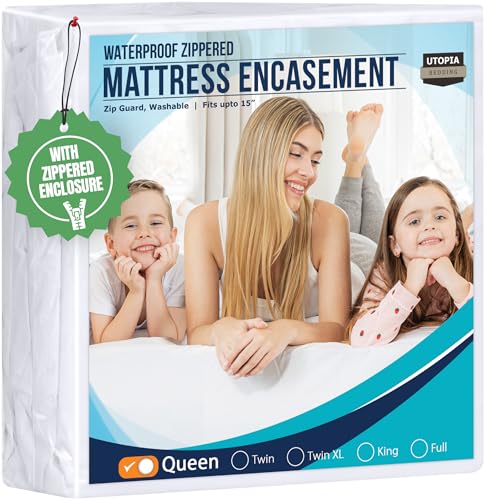
- Zippered mattress encasement queen size dust mite barrier
- HEPA air purifier for bedroom dust mite allergen reduction
- Natural cedar oil spray dust mite prevention and control

Before You Start
Prepare the bedroom by removing clutter and washing bedding in hot water (130°F/54°C or higher) to kill mites. Ensure the room is well ventilated during cleaning. Safety note: do not over-wet fabrics with steam; test a small area first to avoid damage. Allow treated items to dry completely before use. Time estimate: 2–4 hours for a full routine, plus ongoing weekly maintenance.
Step-By-Step: How To Get Rid Of Bed Mites Naturally
- Strip the bed and launder all washable fabrics in hot water; dry on high heat to kill mites and eggs.
- Vacuum the mattress thoroughly with a HEPA vacuum cleaner, using the upholstery attachment to reach seams and tufts.
- Seal the mattress with a zippered encasement designed for dust mite barriers, ensuring a snug fit to prevent mite movement.
- Use a steam cleaner on the mattress surface and upholstered furniture; apply even, slow passes to reach deep layers without soaking.
- Clean the bedroom air with a HEPA air purifier placed near the bed to capture airborne allergens.
- Spray surfaces lightly with natural cedar oil spray, focusing on edges and corners; avoid over-saturation and track any odor impact on occupants.
- Repeat vacuuming weekly and wash bedding weekly to maintain a low mite population.
- Maintain low humidity in the room (ideally 40–50%); use a dehumidifier if needed to deter mite survival.
- Rotate encasements and reassess filtration every 3–6 months to ensure effectiveness.
- Replace any worn encasements or filters as they show signs of wear or reduced performance.
- In shared living spaces, repeat the routine for additional mattresses and upholstered furniture where mites may accumulate.
- Monitor for persistent symptoms and adjust cleaning frequency or products as needed to sustain allergen reduction.
Troubleshooting
| Symptom | Likely Cause | Fix | Prevention |
|---|---|---|---|
| Persistent itching or sneezing after cleaning | Residual allergens in air or fabrics | Increase HEPA filtration time and vacuuming frequency | Regular washing and encasement maintenance |
| Odor from cedar oil spray | Overuse or sensitivity to essential oils | Reduce concentration, ventilate room | Alternate with non-scented methods |
| Damaged mattress encasement | Wear from use or sharp edges | Inspect and replace encasement | Gentle handling and correct size fit |
| Allergen levels stay high despite cleaning | High humidity or additional hiding spots | Lower humidity; seal other fabrics | Maintain routine and expand coverage |
Common Mistakes
- Relying solely on fragrance sprays without mechanical cleaning
- Skipping hot water washing for bedding and fabrics
- Using steam improperly and leaving fabrics damp
- Poorly sealed encasements or ill-fitting sizes
- Neglecting humidity control and air filtration
Addressing dust mites requires a balanced approach that combines cleaning, barriers, and environmental controls.
Tips For Best Results
- Set a weekly cleaning schedule and stick to it for consistent results.
- Use the upholstery attachment on hard-to-reach seams of the mattress and chairs.
- Choose a zippered encasement with a breathable yet tight weave to maximize protection.
- Test cedar oil spray on a hidden area before broader use to avoid staining.
- Keep bedrooms cool and dry to suppress mite activity between cleanings.
Call A Professional
Consider professional advice if symptoms persist after several weeks of home management, if there is significant mold or mildew growth, or if multiple household members experience severe allergic reactions. Seek medical guidance for persistent respiratory symptoms and consult an indoor environmental professional for a full assessment.
FAQ
Can bed mites be completely removed from a bedroom?
Complete elimination is difficult, but regular cleaning, barriers, and humidity control can greatly reduce populations and allergens.
Are cedar oil sprays safe for children and pets?
Use sparingly and monitor for sensitivities; consult a pediatrician or veterinarian if there are concerns.
Do I need to replace mattress encasements often?
Check for wear and tear; replace encasements if zippers break, seams fray, or fabric becomes translucent.
Will a HEPA purifier alone solve dust mite problems?
Purifiers help with airborne allergens but work best when paired with cleaning, encasement, and humidity control.
How often should I vacuum a mattress?
Vacuum the mattress at least once a week during active mite management and after any major clean-up sessions.
Is steam cleaning safe for all mattresses?
Test a small area first and follow manufacturer guidelines to avoid damage to materials.
What about dust mites in upholstered furniture?
Apply the same approach to sofas and chairs: vacuum, steam clean if suitable, and consider encasing non-mitted fabric options where feasible.
Buying Guide
Choosing the right tools and barriers helps sustain mite reduction over time. Consider the following factors to make an informed purchase:
- Mattress protection: A zippered encasement queen size that fits snugly and is washable.
- Cleaning power: A HEPA vacuum with an upholstery attachment and a compatible steam cleaner for fabrics.
- Air quality: A bedroom HEPA air purifier with true HEPA filtration and a reasonable CADR rating for the room size.
- Natural deterrents: Cedar oil sprays should be used cautiously and as part of a broader plan, not as a sole solution.
- Humidity management: A dehumidifier or humidistat helps maintain an environment less favorable to mites.
- Ease of use and maintenance: Choose products with easy cleaning cycles, replaceable filters, and clear user instructions.
- Room coverage: Consider additional encasements or air purifiers for multiple sleeping areas if needed.
- Noise and energy use: Look for quiet, energy-efficient options to fit nightly use without disruption.
With thoughtful product choices and a consistent routine, homeowners can dramatically reduce bed mite activity and lower allergen exposure. If in doubt, start with a simple kit that includes a HEPA vacuum, a mattress encasement, and a quality air purifier, then add a steam cleaner and cedar oil spray as needed.