Bleached hair can show uneven color transitions known as banding, where distinct color lines appear rather than a smooth shade. This guide outlines practical steps and products to even out tone, restore shine, and minimize future banding for American customers seeking reliable results.
Understanding banding is key to choosing the right approach. The methods below balance corrective toning, color correction, and gentle conditioning to protect hair integrity while improving appearance.
Quick Answer
Target uneven bands with a corrective toner or color remover kit, then refresh with a balanced purple toning shampoo and a protective conditioner. If bands persist, a professional color correction may be needed.
What You’ll Need
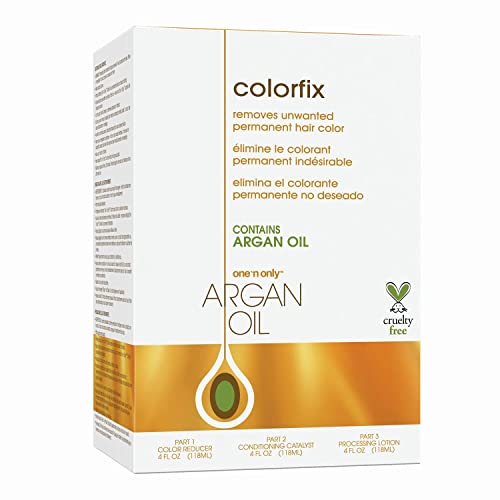
- color remover kit for bleached hair
- bleach banding repair toner kit
- purple toning shampoo for brassy banding
- professional hair dye brush and mixing bowl set
- foil highlights kit and color-safe clarifying shampoo


Before You Start
Perform a strand test to check how hair reacts to any product, and temper expectations for outcomes. Protect skin and eyes with gloves and barrier cream. Work in a well ventilated area and use tools that ensure precise application. Time estimates vary from 30 minutes to a few hours depending on hair health and banding severity.
Prepare a clean workstation, section hair evenly, and avoid overlapping onto previously dyed areas. If your hair feels dry or sensitized after any step, pause and condition generously before continuing.
Step-By-Step: How To Correct Banding In Bleached Hair
- Perform a thorough cleanse with a color-safe clarifying shampoo to remove residues that can affect toning.
- Assess the banding pattern in natural light and map the most noticeable lines to target with toners.
- Apply a color remover kit for bleached hair to soften harsh lines if the base is overly uneven, following instructions for timing.
- Rinse and apply a bleach banding repair toner kit to even the midtone and brighten the ends without overprocessing.
- Rinse thoroughly and towel dry before applying a purple toning shampoo for brassy banding to neutralize yellow or orange tones.
- Mix a small amount of the conditioner from the toning system with a dye brush as needed for targeted color correction on stubborn bands.
- Seal the corrected areas with a protective leave-in conditioner or a lightweight oil to restore moisture balance.
- Rinse with cool water, then style as usual. Avoid heat styling until hair regains strength.
- Periodically retone every 1–3 weeks to maintain even color, adjusting frequency to hair response.
- If bands remain after multiple at home attempts, schedule a professional consultation for advanced correction.
- Follow up with a bond-building treatment if available to support structural integrity after processing.
- Maintain color by using color-safe products and minimizing exposure to chlorine and hard water.
Troubleshooting
| Symptom | Likely Cause | Fix | Prevention |
|---|---|---|---|
| Yellow tones persist after toning | Incomplete brassy neutralization | Reapply purple toning shampoo as directed | Evenly distribute product; avoid overprocessing |
| Hair feels very dry after treatment | Overprocessing or high porosity | Use intense conditioner or bond builder; limit processing time | Schedule conditioning and bond maintenance |
| Banding returns after a few weeks | Underlying porosity differences | Incorporate regular deep conditioning and porosity equalizing products | Use consistent at-home care for all sections |
| Uneven color across sections | Uneven product application | Reapply to affected areas with careful sectioning | Prepare more evenly and work in small sections |
Common Mistakes
- Skipping a strand test before using color removers or toners
- Overlapping toners with strong brightness on previously treated hair
- Using high heat during processing, accelerating damage
- Neglecting aftercare, leading to rapid color drift
- Choosing a toner outside the appropriate color family for the target outcome
Tips For Best Results
- Do a controlled, small-area test to predict how banding will respond to toners.
- Warm-toned beige or neutral toners can bridge gaps between light and dark sections.
- Maintain hair porosity balance with weekly conditioning and optional bond-building treatments.
- Use the foil highlights kit only as directed to avoid uneven saturation.
- Keep color-corrected hair away from chlorinated water and sun exposure to extend results.
Call A Professional
Seek professional help if banding is severe, if the scalp is irritated, or if there is breakage or excessive porosity. Stop DIY treatment and schedule a salon consult when:
- There is extensive color patchiness across large sections
- The hair feels extremely brittle or shows signs of damage that worsen with processing
- Desired shade is not achieved after multiple at-home attempts
FAQ
What causes banding on bleached hair?
Banding occurs when uneven lifting or processing creates distinct color zones that do not blend smoothly, often from improper sectioning, inconsistent processing times, or varying porosity.
Can purple toning shampoo completely fix banding?
Purple toning helps neutralize brassy tones but may not fully equalize deep bands. It is most effective after corrective steps.
Is a color remover kit safe for bleached hair?
Yes when used as directed on already lightened hair, though patches may require follow-up toning for even results.
How often should I retone after correcting banding?
Typically every 2–4 weeks depending on hair exposure to elements and frequency of washings.
Should I avoid color entirely after banding correction?
Not necessarily; use gentle products and gradual color refreshment to maintain even tone.
Buying Guide
When choosing tools and products to address banding in bleached hair, consider size and scope of the problem, as well as personal hair health goals. A practical kit approach can streamline corrections, but some situations benefit from professional oversight.
- <bSize and scope: For light to moderate banding, home repair kits are often sufficient. Severe banding may require salon-grade color correction.
- <bNoise level and odor are minor concerns for at-home treatments but choose well ventilated products with mild scents if sensitive.
- <bEnergy efficiency isn’t a direct factor, but use compact tools and heat protection to minimize energy use during processing.
- <bControls: Look for user friendly kits with clear timing and stepwise instructions, plus a color-safe clarifying shampoo for maintenance.
- <bPlacement: Store products away from children and in a cool, dry place; label all bottles clearly to avoid mixups.
Considering a comparison of the included items helps ensure you have a complete setup: a color remover, a toning kit, a purple shampoo, and a set of brushes and bowls. If in doubt, compare product reviews and consult a stylist to select the right balance of protection and correction. Would you like help choosing between specific brands or kits?