Ant invasions can be a nuisance in American homes, especially during warm months. Vinegar-based solutions are a popular, affordable, and easy-to-access option for deterring ants and disrupting their scent trails. This guide outlines a practical step-by-step method to use vinegar effectively, with practical considerations for different surfaces and household needs.
Quick Answer
Vinegar sprays disrupt ant trails and deter future entries. Use a 1:1 solution of white vinegar and water, apply along entry points, around countertops, and on trails. Reapply daily or after rain or cleaning to maintain effectiveness.
What You’ll Need
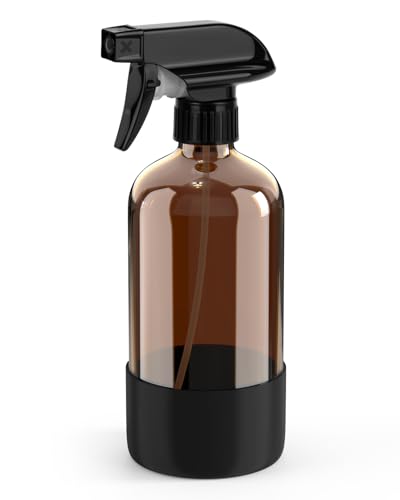
- 16 oz glass spray bottle for vinegar
- 24 oz adjustable nozzle spray bottle for cleaning
- 1 liter trigger spray bottle for vinegar solutions
- Stainless steel spray bottle 32 oz for cleaning vinegar
- Reusable plastic spray bottle with wide mouth for DIY vinegar spray


Before You Start
Before applying vinegar around living spaces, test on a small, inconspicuous surface to ensure no discoloration or damage. Vinegar is non-toxic but can affect porous materials and certain finishes. Open windows or use fans to manage strong fumes in confined areas. Time estimate: 15–30 minutes for initial application; ongoing maintenance as needed. Avoid applying vinegar directly to natural stone surfaces (like marble) and to aluminum or brass components, as acidity can etch or corrode.
Step-By-Step: How To Use Vinegar To Deter Ants
- Identify ant trails and entry points, such as gaps around doors, windows, and plumbing under sinks.
- Fill a 1 liter trigger spray bottle for vinegar solutions with a 1:1 mixture of white vinegar and water.
- Spray liberally along ant trails to erase scent markers and confuse foraging paths.
- Spray entry points and suspected nests around windows, baseboards, and behind appliances where ants commonly enter.
- Wipe down sprayed surfaces after a few minutes to minimize lingering odors on food-contact areas.
- Repeat this process daily for a week, then reduce frequency to maintain deterrence as needed.
- Combine vinegar with physical barriers such as caulking gaps and sealing cracks to reduce re-entry.
- For tall spray range, use a 24 oz adjustable nozzle spray bottle for cleaning to reach higher entry points and shelves.
- Store vinegar solutions away from food and in a cool, dry place to maintain efficacy.
- If ants persist, consider complementary steps such as cleaning thoroughly, removing food sources, and inspecting for moisture.
- Dispose of any captured insects and wash hands after handling vinegar solutions to avoid skin irritation.
- Reassess periodically and adjust the spray plan as trails change with seasons.
Troubleshooting
| Symptom | Likely Cause | Fix | Prevention |
|---|---|---|---|
| Ants ignore vinegar spray | Vinegar scent fading or inconsistent application | Reapply along all trails and entry points | Maintain a regular spray schedule |
| Ants return after a few days | New trails forming nearby | Extend spray coverage to adjacent rooms and exterior walls | Seal cracks and clean food sources |
| Surface discoloration or odor lingering | Vinegar on porous surfaces | Test first; wipe surfaces after spraying | Limit vinegar use on delicate materials |
| Food-contact areas smell strongly | Concentrated spray left on counters | Rinse or wipe after waiting period | Use non-porous, easy-to-clean surfaces |
| Pets or children show sensitivity | Strong vinegar fumes | Ventilate well; apply away from living spaces | Commence with exterior-only spraying when possible |
Common Mistakes
- Using undiluted vinegar on foods or surfaces may cause odors or damage.
- Spraying only a small area and expecting complete ant control.
- Relying solely on vinegar without addressing food sources and moisture issues.
- Neglecting to seal entry points after detecting trails.
Tips For Best Results
- Use white vinegar for a neutral scent and effective trail disruption.
- Apply during cooler parts of the day when ants are most active near trails.
- Combine vinegar spraying with routine cleaning to remove attractants like crumbs and spills.
- Label and store spray bottles clearly to prevent accidental use on food or skin.
- Alternate with other deterrents (e.g., citrus peels or peppermint oil) if vinegar alone is insufficient.
Call A Professional
If ant activity continues despite repeated vinegar treatment, or if there is a large infestation, contact a licensed pest control professional. Warning signs include nests inside walls, structural damage, or multiple colonies across the home. A pro can identify species, locate nests, and recommend integrated pest management strategies that reduce recurrence.
FAQ
Can I use any vinegar for ant control?
Plain white distilled vinegar is most common for trail disruption and is generally safe on most surfaces. Other vinegars may have additional scents or additives that reduce effectiveness.
Will vinegar kill ants or just deter them?
Vinegar primarily deters ants by erasing scent trails; it may not kill a large colony and should be part of a broader approach including cleanliness and sealing entry points.
How often should I reapply vinegar?
Reapply daily for the first week, then adjust based on activity. Reapply after rain, cleaning, or if trails reappear.
Is vinegar safe around pets and children?
Vinegar is generally safe in household use but can irritate eyes or skin and strong fumes may affect sensitive individuals. Ensure good ventilation and keep away from direct contact with pets and kids during application.
Buying Guide
When choosing spray bottles and vinegar solutions for ant control, consider size, ease of use, and how comfortably the bottle fits into cleaning routines.
- <bSize and storage: A larger bottle (1 liter or more) reduces frequent refills, but ensure it’s easy to handle and fits in storage space.
- <bNozzle control: An adjustable nozzle helps tailor spray width and reach, which is useful for both trails and entry points.
- <bMaterial and durability: Glass bottles look cleaner and are easy to sanitize, but plastic options offer impact resistance for household use. Stainless steel is durable but heavier.
- <bCompatibility with vinegar: Confirm that the bottle’s material won’t react with vinegar or degrade with repeated spraying.
- <bPlacement and convenience: Keep bottles near entry points and cleaning supplies for quick responses to trails and spills.
- <bLabeling and safety: Use clear labels and child-safe caps to prevent accidental misuse in kitchens or dining areas.