Ant problems can be addressed with natural methods that are effective and safer for homes, families, and pets. This guide focuses on organic approaches using readily available products and simple cleanup strategies to reduce ant activity without harsh chemicals.
Quick Answer
Combine preventive sealing with natural attractant- and barrier-based tactics: dust natural ingredients where ants travel, deploy non-toxic bait stations, spray essential oils in entry zones, and monitor activity to adjust as needed. Consistency matters for long-term control.
What You’ll Need
- diatomaceous earth food grade for ants 10 lb
- organic ant bait stations non-toxic
- essential oil spray peppermint clove for ants 16 oz
- boric acid ant bait organic formula
- natural ant killer spray peppermint oil 32 oz

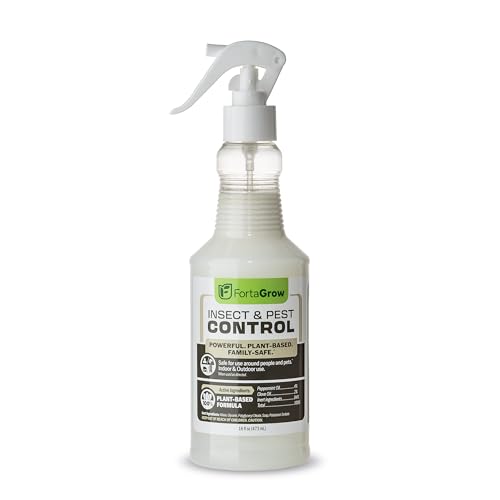
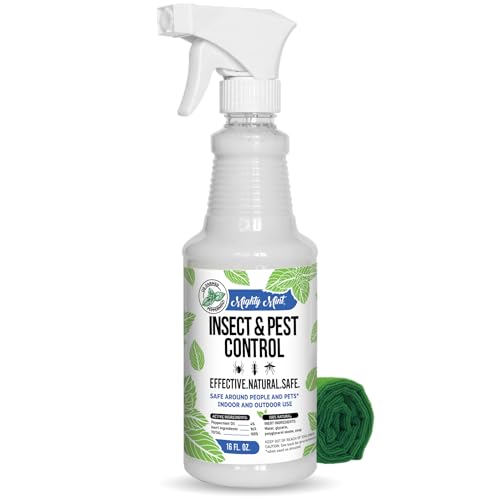
Before You Start
Before beginning, identify the ant species if possible, as some baits work better for carpenter ants while others target common household ants. Keep areas clean and free of food debris, seal entry points, and remove water sources. Test any spray on a small area to avoid staining or discoloration on delicate surfaces. Plan time for multiple applications over several days to weeks, depending on the infestation level.
Step-By-Step: How To Get Rid Of Ants Organically
- Declutter and clean: remove crumbs, spills, and standing water from kitchens and near entry points to reduce attractants.
- Find trails: follow ant lines to locate entry points, nests, and foraging paths on floors, counters, and walls.
- Seal access: apply caulk or weatherstripping around gaps, pipes, and window frames to block entry routes.
- Apply diatomaceous earth: dust a thin, even line along baseboards, thresholds, and known trails. Reapply after vacuuming or rain exposure.
- Set non-toxic bait stations: place organic ant bait stations near trails and along walls where ants travel to allow colonies to feed and be carried back to nests.
- Use peppermint and clove spray: spray a light mist around doors, windows, and ant entry points. Reapply every few days or after rain/cleaning.
- Combine boric acid bait carefully: if using boric acid ant bait organic formula, place it away from children and pets in inaccessible areas, following label directions.
- Monitor and reapply: observe changes in activity over 1–2 weeks; extend baiting and barrier sprays as needed to suppress resurgence.
Troubleshooting
| Symptom | Likely Cause | Fix | Prevention |
|---|---|---|---|
| Ants return after spraying | New trails or hidden nest nearby | Reapply spray and extend bait placement; re-seal entry points | Maintain barriers and clean surfaces regularly |
| Spray seems ineffective | Incorrect application or low concentration | Follow label instructions; reapply in the evening when ants are active | Rotate products to avoid resistance |
| Pet or child exposure concerns | Accessible bait or spray areas | Relocate products to high cabinets or behind barriers | Use physical barriers and child-safe stations |
| Ants still gathering near food prep areas | Food residue or moisture attractants | Deep cleaning and moisture control; ensure dry surfaces | Maintain sanitation and reduce water sources |
Common Mistakes
- Using harsh chemical sprays where organic products are recommended
- Overlooking entry points and nesting sites beyond kitchen counters
- Falling behind on reapplication after rain or cleaning
- Neglecting safety guidance for boric acid or essential oil concentrations
Tips For Best Results
- Consistency is key: co nstant monitoring helps catch new trails quickly.
- Combine methods: integrate diatomaceous earth, bait stations, and natural sprays for a multi-layered approach.
- Label awareness: always read and follow product labels for safety and proper use.
- Target the trail, not just the nest: disrupting foraging paths reduces colony activity effectively.
- Nighttime focus: ants are often most active at night; plan applications then for better reach.
Call A Professional
Consider professional help if:
- Infestations persist after several weeks of organic treatment
- There is evidence of carpenter ant activity or structural damage
- Households with pets or children require a high level of safety and monitoring
- Multiple nests or widespread outdoor infestations are suspected
FAQ
What is the most effective organic ant killer?
Effectiveness varies by species and environment, but a combination of non-toxic bait stations and diatomaceous earth placed along trails often yields good results.
Are essential oils like peppermint safe for homes with kids?
When used in dilute sprays away from direct contact, essential oils can be considered safer; always follow dilution guidelines and test surfaces first.
How long does organic ant control take?
Most households see noticeable reductions within 1–3 weeks, with full control potentially taking longer depending on nest size and location.
Can I mix products for faster results?
Mixing is not recommended unless explicitly stated on product labels; use each product as directed and in sequence for best results.
Buying Guide
Choosing the right organic ant control plan involves several factors. Consider the size of the area, the level of infestation, and the presence of children or pets in the home. Look for products labeled as food grade or non-toxic to ensure safer use around family areas. Evaluate the noise and odor of any sprays used in indoor spaces. Placement matters—target entry points, trails, and near kitchens and dumpsters. Energy efficiency isn’t a primary concern for household ant control, but choosing concentrated formulas can reduce the number of applications. Finally, verify that the products support a layered approach with both preventive barriers and active baits. Would you prefer a simple kit of bait stations and a spray, or a broader set including dust and essential oils for ongoing maintenance?