Ants entering a home through baseboards are a common nuisance in many American households. A practical approach combines sealing gaps, reducing attractants, and targeted barriers. This guide provides step-by-step methods using common sealants and deterrents to stop ants from using baseboard gaps as a path.
Quick Answer
Identify the most active baseboard gaps, seal with appropriate materials, apply a barrier along the edges, and monitor for reentry. Begin with caulk or foam to close entry points, reinforce with steel wool, and finish with anti-adhesion sprays or weatherstripping if needed.
What You’ll Need
- Silicone caulk for baseboard gaps sealant gun
- Expanding foam sealant for baseboard cracks
- Steel wool pest barrier for baseboard gaps
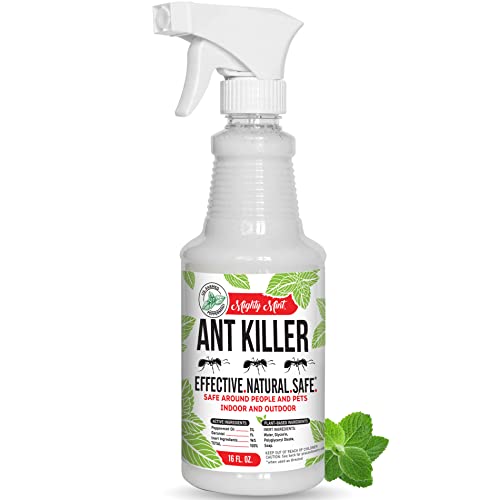
- Ant killer spray for baseboard edges
- Weatherstripping kit for doors and baseboards gaps


Before You Start
Plan to work in a dry, well-ventilated area. Move furniture to access baseboard gaps and protect floors with drop cloths. Test sealants on a hidden area to ensure no staining or damage to finishes. Time estimate: 1–3 hours depending on the number of gaps. Important cautions: do not apply expanding foam where it could block electrical or plumbing access; always follow product instructions and wear gloves and eye protection when handling sealants and sprays.
Step-By-Step: How To Stop Ants From Baseboard Gaps
- Inspect baseboard gaps along exterior walls to locate active ant trails and determine priority gaps.
- Clean gaps and adjacent surfaces to remove dust, grease, and pheromone trails that attract more ants.
- Apply silicone caulk for baseboard gaps sealant along the interior side of the baseboard to seal small-to-moderate gaps.
- Use expanding foam sealant for larger cracks between the baseboard and walls, avoiding over-expansion that could distort trim.
- Embed a strip of steel wool pest barrier into exposed gaps before sealing for a stronger physical barrier that ants cannot chew through.
- Spray a targeted ant killer spray for baseboard edges along the seam after sealing to discourage lingering foragers.
- Install weatherstripping kit for doors and baseboards gaps where doors meet the baseboard line to block additional entry routes.
- Re-check gaps after a few days for new trails and re-apply sealant or barrier as needed.
- Place repellent or bait stations away from food areas to reduce colony pressure while sealing is ongoing.
- Maintain a regular inspection routine every few weeks during warm months when ants are more active.
- Keep exterior trash secured and seal food containers to reduce attractants that draw ants toward baseboard gaps.
- Document any recurring entry points and plan a broader sealing strategy for hard-to-reach areas if needed.
Troubleshooting
| Symptom | Likely Cause | Fix | Prevention |
|---|---|---|---|
| Ants return after sealing | New gaps or missed points | Re-inspect, seal with caulk/foam, reinforce with steel wool | Schedule routine inspections |
| Gap reopens after foam expansion | Insufficient surface prep or movement | Clean thoroughly, reapply foam evenly | Use low-expansion foam near delicate trim |
| Stains around caulk or foam | Sealant not compatible with finish | Test a hidden area first; choose paintable silicone | Touch up with matching paint |
| Ants along baseboard edges persist despite spray | Physical barrier not complete | Add steel wool and reseal | Keep gaps dry and clean |
Common Mistakes
- Oversealing with foam in tight trim spaces, causing cracking or damage
- Skimping on surface cleaning before sealing, leaving pheromone trails
- Using incompatible sealants with wood finishes, leading to peeling
- Relying solely on sprays without addressing entry points
Tips For Best Results
- Apply sealants during dry weather to ensure proper adhesion and cure.
- Work from the inside of the home outward to prevent new ants from following you in.
- Combine physical barriers (steel wool) with chemical barriers (ant killer spray) for effectiveness.
- Keep a small stock of sealants and weatherstripping for maintenance after initial treatment.
Call A Professional
Contact a pest professional if ants infest multiple rooms, if a known nest is present behind baseboards, or if home conditions indicate structural gaps beyond cosmetic trim. Stop signs include persistent activity after two sealing attempts, signs of moisture damage, or suspected infestation in hidden cavities such as wall voids.
FAQ
Can I use just caulk to stop ants from baseboards?
Caulk helps seal small gaps, but combining it with foam, steel wool, and weatherstripping increases effectiveness.
Will ants simply chew through steel wool?
Steel wool provides a physical barrier that is difficult for ants to bypass, especially when combined with proper sealing.
How soon will I see results after sealing?
Results can appear within days, but complete relief may take a couple of weeks as the colony reacts to barriers.
Are DIY methods safe for homes with children or pets?
Yes, when using water-based or low-toxicity products and following label directions; keep products out of reach during application.
Should I also treat the exterior around baseboards?
Yes. Reducing outdoor access points and killing foragers outside can help prevent re-entry.
Is weatherstripping necessary if there are no doors near baseboards?
Weatherstripping around nearby doors helps reduce overall gaps that ants could use to move indoors.
What about ongoing prevention after fixing gaps?
Maintain regular inspections, reseal any new gaps promptly, and keep areas clean of food and moisture.
Buying Guide
When selecting materials to stop ants from baseboard gaps, consider several factors beyond immediate efficacy. Size matters: measure gap width accurately to choose appropriate sealants and barrier products. Noise level is typically not a concern with sealants, but odor during curing can be noticeable; opt for low-odor formulations if possible. Energy efficiency: sealing gaps near exterior walls can improve insulation, but avoid blocking vents or electrical outlets. Controls and placement: select a mix of sealants (silicone caulk, expanding foam) and barriers (steel wool, weatherstripping) that suit your baseboard materials and wall type. For placement, prioritize high-traffic entry points along doors and windows that share walls with outside spaces. Compare products based on cure time, durability, paintability, and compatibility with wood trim. A balanced kit that includes caulk, foam, steel wool, and weatherstripping often provides the best overall result for baseboard gaps.