Algae growth is a common seasonal challenge for American pool owners. It can turn your water cloudy, make surfaces slippery, and strain filtration systems. With a structured approach to cleaning, chemical balance, and equipment use, algae can be controlled effectively and your pool can return to clear, inviting water.
Quick Answer
Assess water chemistry, brush affected surfaces, remove debris, and run a strong filtration cycle. Use a combination of targeted brushing, vacuuming, and appropriate algaecide or chlorine shock to prevent regrowth. Regular maintenance and proper equipment handling are key.
What You’ll Need
- Stiff nylon algae brush for pool
- Telescoping pool pole for algae brush
- Manual pool vacuum head for algae removal
- Automatic pool cleaner for algae removal
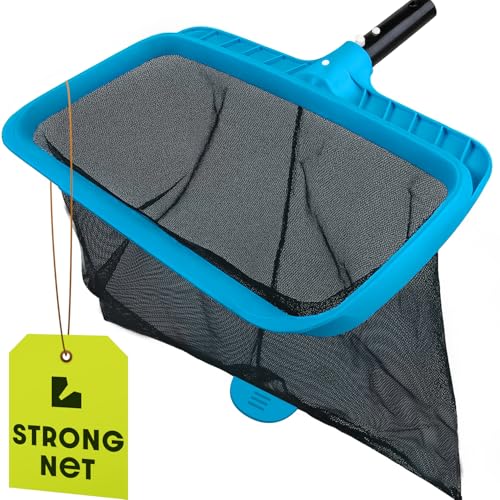
- Pool skimmer net for algae removal


Before You Start
Before beginning, check the pool’s pH, total alkalinity, and chlorine levels. Algae thrives when pH is off balance, so correct chemistry first. Clear the pool of leaves and debris to improve circulation. Plan for a few hours of effort per session and ensure safety with proper grip and non-slip footwear. If you have a vinyl liner or delicate surfaces, choose brushes and tools that won’t cause scratches.
Step-By-Step: How To Remove Algae From A Pool
- Test and balance the water: Use test strips or a test kit to measure pH, alkalinity, and sanitizer levels. Adjust to the recommended range (pH around 7.2–7.6, proper total alkalinity, and adequate chlorine).
- Brush the algae: Attach the stiff nylon algae brush to the telescoping pool pole. Thoroughly scrub walls, steps, and any shaded areas where algae clings. Apply firm, steady strokes to dislodge growth.
- Clean the debris: Use a pool skimmer net to remove floating algae clumps and debris. This reduces organic load and improves suction during vacuuming.
- Vacuum the pool: Attach the manual pool vacuum head to the pool pole and connect to the skimmer hose or dedicated vacuum line. Vacuum slowly to prevent stirring up settled algae.
- Shock the pool: Add a chlorine shock to raise sanitizer levels and kill residual algae. Follow label directions and ensure the pump runs continuously during shock treatment.
- Run the filter aggressively: Run the pool pump at a higher speed or longer cycle for 24–48 hours if possible. Clean or backwash the filter frequently to maintain good flow and filtration.
- Recheck and rebalance: After the shock cycle, test the water again. If chlorine remains low or pH drifted, rebalance before swimming.
- Prevent future growth: Implement a routine of regular brushing of surfaces, weekly skimming, and timely shocking during heat or high sun exposure. Consider an automatic pool cleaner for ongoing maintenance.
- Maintenance schedule: Establish a weekly routine for testing water, brushing, skimming, and running the cleaner. Seasonal adjustments may be needed for summer heat.
- Inspect equipment: Check hoses, vacuum heads, and cleaners for wear. Replace worn brushes or heads to maintain effective cleaning.
- Finish with a clean filter: After finishing, backwash or clean the filter cartridge and store tools properly to extend their life.
Troubleshooting
| Symptom | Likely Cause | Fix | Prevention |
|---|---|---|---|
| Persistent green tint | Insufficient sanitizer | Shock the pool and recheck chemistry | Test weekly, maintain proper chlorine |
| Cloudy water after cleaning | Debris or incomplete filtration | Backwash/clean filter, vacuum thoroughly | Regular skimming and cleaning schedule |
| Algae on pool floor | Heavy settled algae | Deep vacuum or use a dedicated algae removal tool | Brush walls weekly; maintain flow |
| Strong chlorine odor | Excess combined chlorine | Shock and aerate water | Regular testing and balanced chemistry |
Common Mistakes
- Skipping weekly brushing and vacuuming, allowing algae to reestablish.
- Overlooking pH balance while chasing chlorine levels.
- Using weak or inappropriate brushes that miss stubborn growth.
- Backwashing too little or too frequently, reducing filtration efficiency.
- Avoiding immediate cleaning after debris accumulation, which compounds problems.
Tips For Best Results
- Combine brushing with timely pool shock for faster algae kill.
- Keep a dedicated algae brush and telescoping pole on hand for quick response.
- Run the cleaner system for extended periods during hot, sunny days.
- Keep a log of test results and actions to identify patterns and adjust routines.
- Consider upgrading to an automatic pool cleaner for consistent maintenance in larger pools.
Call A Professional
Complex algae outbreaks that resist brushing and shock may indicate persistent chemical imbalance, poor circulation, or equipment issues. Call a professional if you notice persistent green water after several shock cycles, persistent cloudy water despite filtration, or unusual equipment malfunctions that affect circulation.
FAQ
What is the fastest way to get rid of algae in a pool?
Balance chemistry, brush thoroughly, vacuum, and shock the pool while running the filter continuously.
Can I use a manual pool vacuum to remove algae?
Yes, a manual pool vacuum head is effective when combined with proper brushing and filtration.
How often should I brush pool walls to prevent algae?
Brush at least once a week, with extra brushing during hot months or after rainfall.
When should I replace pool tools for algae control?
Replace worn brushes and heads when they lose stiffness or effectiveness to maintain cleaning performance.
Is an automatic pool cleaner worth it for algae control?
Yes, an automatic cleaner helps maintain consistent cleaning and reduces manual effort, especially in larger or shaded pools.
What chemical levels should I target after shocking?
Chlorine should remain elevated for proper sanitization, and pH should stay near 7.4–7.6 after balancing.
Should I use algaecide alongside chlorine?
Algaecide can help prevent regrowth when used as directed, especially in high-growth seasons.
How long does it take to clear algae after treatment?
Most pools improve within 24–48 hours of a proper shock and cleaning, but severe cases may take longer.
Buying Guide
Choosing the right tools for algae control depends on pool size, surface materials, and maintenance habits. Consider the following factors to help decide which equipment to invest in:
Size and compatibility: For larger pools or complex shapes, a telescoping pool pole paired with a stiff nylon algae brush can reach hard-to-clean areas. Ensure your pole length suits your pool depth.
Brush quality and surface care: A stiff nylon brush provides aggressive scrubbing without scratching most surfaces. Use softer options if you have vinyl liners or delicate finishes.
Vacuum devices: A manual pool vacuum head is cost-effective for targeted algae removal and spot cleaning, while an automatic pool cleaner offers ongoing maintenance with less manual effort.
Flow and filtration: Adequate circulation improves algae control. If flow is limited, upgrading pump speed or filtration capacity may help, especially during shocking cycles.
Skimming and debris control: A pool skimmer net helps remove surface debris that feeds algae. Regular use reduces nutrient load in the water.
Placement and setup: Ensure tools and cleaners are compatible with your pool surface type and that hoses are not kinked. Proper storage prolongs tool life and readiness for use.
Noise and energy: Automatic cleaners may increase energy use; check energy efficiency and noise levels, especially for nighttime cleaning needs.
Maintenance plan: Look for tools that fit your routine. A practical plan includes weekly brushing, skimming, and a monthly or seasonal deep clean and chemical check.
Cost considerations: Balance upfront tool investments with ongoing maintenance costs. Durability and ease of use often justify higher-quality gear for frequent use.