Algae growth on exterior siding can mar curb appeal and shorten the life of the finish. This guide outlines practical steps to safely remove algae from various siding types, using consumer-grade tools and cleaners. It covers methods suitable for common materials like vinyl, wood, and fiber cement, with a focus on effective, low-damage cleaning.
Homeowners can tackle algae control with the right approach, choosing between high-pressure washing and gentler soft-wash methods. The goal is to remove algae without harming the surface or wash away protective coatings. The following sections provide a clear, field-tested approach for most American homes.
Quick Answer
Best overall approach: use a soft-wash method or a low-to-medium pressure wash with an algae-friendly cleaner, followed by a rinse. For stubborn stains, combine a targeted spray with a siding cleaner designed for exterior algae removal.
Key tools: a pressure washer equipped with appropriate nozzle choices, exterior siding algae remover cleaners, and a protective sprayer for delicate surfaces. Always test a small area first.
What You’ll Need
- Gas pressure washer 3000 psi siding cleaner
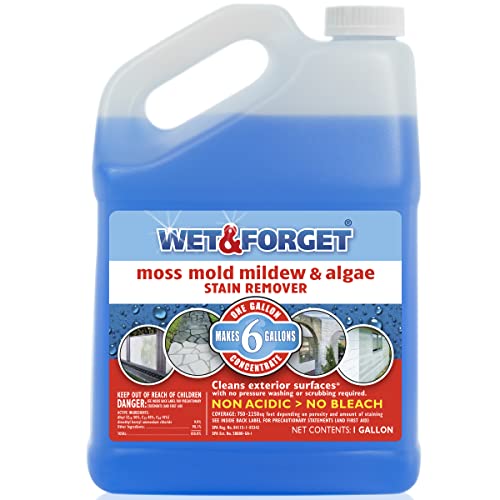
- Exterior siding algae remover spray concentrate
- Rotary surface cleaner for pressure washer algae siding
- Algae stain remover for wood vinyl siding exterior
- Soft wash system for exterior house cleaning


Before You Start
Assess siding type and condition before beginning. Vinyl, wood, and fiber cement each require different approaches. Wear eye protection, gloves, and non-slip footwear. Protect landscaping, outlets, and windows with plastic sheeting or tape. Work in shade or cooler hours to prevent cleaner drying too quickly. Time estimate: 2–6 hours depending on house size and algae severity. Crucial cautions: never use high-pressure settings on delicate siding, always follow cleaner label instructions, and avoid running cleaners into soil or storm drains.
Step-By-Step: How To Remove Algae From House Siding
- Inspect siding for damage or loose panels. Note any areas needing repair before cleaning.
- Choose the cleaning approach: soft wash for delicate surfaces or a low-pressure spray for tougher algae, using a siding cleaner.
- Mix a ready-to-use algae cleaner or create a dilution per product directions for exterior siding algae remover spray concentrate.
- Treat heavily infested areas by applying cleaner from bottom to top to prevent streaks, letting it dwell as recommended by the product.
- Rinse with a broad, steady spray. For vinyl or wood siding, use a gentle angle and gradually increase pressure if needed, avoiding seams and windows.
- Use a rotary surface cleaner for larger areas to speed up cleaning while maintaining even coverage and reducing streaks.
- For stubborn stains, apply an algae stain remover for wood vinyl siding exterior and let it sit before rinsing thoroughly.
- Rinse again to remove all cleaning residues. Check for any missed spots and re-treat as necessary.
- Allow siding to dry completely before inspecting results. Address any remaining discoloration with a spot treatment if needed.
- Clean and store equipment properly. Rinse hoses and nozzles to prevent chemical buildup.
- Schedule regular maintenance every 1–2 years to prevent algae regrowth, especially in humid climates.
- Document outcomes with photos for future reference and to guide repeat cleanings.
Troubleshooting
| Symptom | Likely Cause | Fix | Prevention |
|---|---|---|---|
| Algae returns after cleaning | High humidity or shade, lingering spores | Apply preventive algaecide or regular maintenance | Trim vegetation; improve airflow; use long-lasting cleaners |
| Streaks or uneven cleaning | Manufacturer cleaner dwell time not followed; poor rinsing | Re-apply cleaner and rinse with even coverage | Test area first; use soft wash technique |
| Siding discoloration or damage | Excessive pressure or incompatible cleaner | Pause and switch to soft wash; consult product guidelines | Use appropriate pressure and cleaners for material |
| Water beading after wash | Overapplication or residue | Rinse thoroughly; re-wash if necessary | Rinse until clear; use recommended dilution |
Common Mistakes
- Using high pressure on vinyl, wood, or delicate seams.
- Following generic cleaners without checking material compatibility.
- Rushing rinsing or neglecting dwell times, leading to incomplete cleaning.
- Overlooking surrounding plants and surfaces that can be damaged by cleaner runoff.
Avoid these pitfalls by sticking to manufacturer guidelines, performing a spot test, and adopting a patient, methodical approach.
Tips For Best Results
- Test a small, inconspicuous area first to verify colorfastness and material compatibility.
- Use a soft wash system or vinyl-safe cleaner to protect paint and sealants.
- Work with the sun off the siding to prevent cleaner from drying too quickly.
- Angle the spray to push water away from joints and into open areas to minimize penetration.
- Consider a preventative rinse after cleaning to deter rapid algae regrowth.
Call A Professional
In cases of severe algae infestation, peeling paint, or damaged siding, consult a professional. Stop and call a pro if:
- There are large areas of loose siding or warped boards.
- Electrical outlets or fixtures show signs of moisture penetration.
- You lack access to safe ladder work or proper equipment for high surfaces.
FAQ
What is the safest way to remove algae from siding?
Using a soft-wash approach with a dedicated exterior algae remover and a low to moderate pressure rinse is typically safest for most siding types.
Can I use a regular garden hose to wash algae off siding?
Garden hoses alone are usually insufficient; use a pressure washer with appropriate nozzle settings and a siding-safe cleaner.
How long should cleaner sit before rinsing?
Follow product directions; most cleaners specify a dwell time of several minutes to maximize effectiveness without drying.
Will algae return after cleaning?
Yes, especially in humid climates. Regular maintenance and preventive cleaning help reduce regrowth.
Is a rotary surface cleaner necessary?
Not always, but it speeds cleaning for large areas and provides more even coverage while reducing streaks.
Can I clean stained wood siding without damaging the finish?
Yes, with a gentle approach and wood-safe cleaners designed for exterior use; avoid aggressive scrubbing.
Should I seal or repaint after algae removal?
Assess siding condition. Cleaning alone does not fix preexisting damage; consider resealing or repainting if necessary.
Buying Guide
When choosing products and equipment for algae removal on house siding, consider size, noise, efficiency, controls, and placement. A balanced approach helps homeowners select tools that deliver effective cleaning while protecting siding.
Size and power: A gas pressure washer around 3000 psi provides ample cleaning power for tough algae without excessive risk to most siding when used with the correct nozzle and technique. For smaller homes, a lower pressure setting or a soft-wash system may suffice.
Noise level: Gas-powered units can be louder; consider models with built-in mufflers or use during reasonable hours. For sensitive neighborhoods, a dedicated soft-wash system can offer quieter operation.
Energy efficiency: Look for efficient pumps and engines, and select cleaners that maximize effectiveness at lower pressures to minimize energy use and water waste.
Controls: Variable pressure, nozzle selection, and chemical injection controls help tailor cleaning to siding type and stain intensity. Refillable concentrate compatibility is a plus for long-term use.
Placement and storage: Choose equipment with compact storage, long hoses, and stable stands for safe transport around the home. Keep cleaning chemicals in labeled, sealed containers away from children and pets.
For siding-specific decisions, compare products such as a dedicated siding cleaner, a spray concentrate, a rotary surface cleaner, an algae stain remover, and a soft wash system. Consider how each component aligns with local climate, siding material, and cleaning frequency. Want a simple setup? A combined kit with a soft-wash option and a compatible exterior algae remover usually covers most jobs.