Acrylic paint is versatile and quick-drying, but removing it from surfaces or skin can be challenging. The right approach depends on the surface, how long the paint has dried, and the tools available. This guide outlines practical methods for safe, effective acrylic paint removal, with emphasis on common DIY scenarios in American households.
Readers will find a concise set of steps, essential tools, safety tips, and troubleshooting to help restore surfaces without damage. The focus is on accessible solutions that work on a variety of surfaces, from walls to furniture, while staying mindful of environmental and safety considerations.
Quick Answer
Choose a method based on the surface: fresh paint: wipe with a damp cloth or soap and water; dried or stubborn paint: try a plastic putty knife or scraper, then a paint stripper gel or heat-assisted approach for tougher layers. Always test a small area first and follow label directions on any chemical products.
What You’ll Need
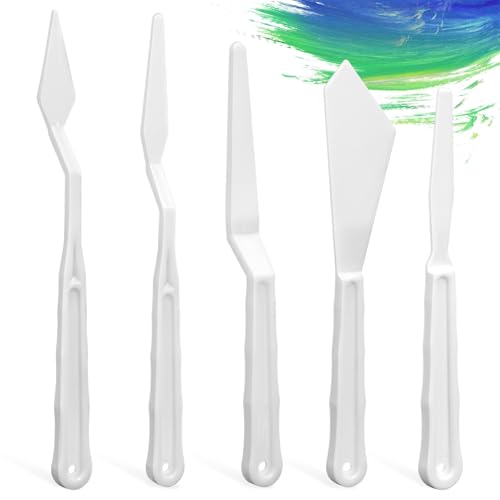
- Plastic putty knife for acrylic paint removal
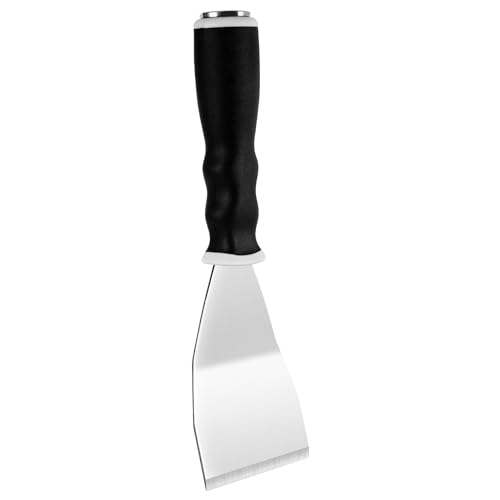
- Stainless steel paint scraper for acrylic paint removal
- Paint stripper gel for acrylic paint removal
- Nylon scrub brush for removing dried acrylic paint
- Heat gun for removing acrylic paint from surfaces

Before You Start
Assess the surface type to avoid damage: walls, wood, metal, or delicate finishes each respond differently to solvents and heat. Ventilate the area when using chemical strippers or heat tools. Wear gloves and eye protection and keep a damp cloth handy for quick cleanup. Time estimates vary: minor touch-ups may take 15–30 minutes, while stubborn layers can take 1–2 hours with proper steps.
Step-By-Step: How To Remove Acrylic Paint
- Identify the surface and choose the initial approach: water-based removal for fresh paint, mechanical tools for dried paint.
- For wet paint on non-porous surfaces, wipe with a damp cloth or mild soap solution until it lifts cleanly.
- Gently use a plastic putty knife for acrylic paint removal to lift edges without gouging wood or plaster.
- If paint resists, scrape with a stainless steel paint scraper for acrylic paint removal, keeping blade at a shallow angle to avoid damage.
- Apply a small amount of paint stripper gel for acrylic paint removal to stubborn areas following package directions, and let it dwell for the recommended time.
- Use a nylon scrub brush for removing dried acrylic paint to gently scrub softened film; rinse and repeat as needed.
- For heat-assisted removal, hold a heat gun for removing acrylic paint from surfaces at a safe distance and move steadily across the paint to soften it, then scrape.
- Wipe away residues with a clean cloth; if any staining remains, repeat the appropriate method or switch to a different technique.
- Clean tools promptly after use to prevent paint hardening on blades or brushes.
- Test repaired area for finish compatibility and recoat if necessary, following proper surface preparation steps.
- Dispose of chemical residues according to local regulations and store products safely out of reach of children and pets.
- Document results and keep notes on what worked best for future projects.
Troubleshooting
| Symptom | Likely Cause | Fix | Prevention |
|---|---|---|---|
| Paint smears across a surface after cleaning | Remaining film sanded or scrubbed unevenly | Reapply stripper or heat method to affected area, then scrub evenly | Test on a small area first; use even, consistent strokes |
| Paint refuses to lift from wood grain | Porous surface absorbing pigment | Lightly sand or use gel stripper with longer dwell time | Seal or prime wood before painting next time |
| Streaks on wall after removal | Underlying primer or paint layer exposed | Clean with mild detergent, repaint with compatible finish | Spot-test and repair edges as needed |
| Chemical odor persists | Strong solvent used in closed space | Ventilate, pause work, switch to water-based or low-odor options | Work in a well-ventilated area |
Common Mistakes
- Using metal scrapers on delicate surfaces, causing scratches
- Over-reliance on a single method without testing first
- Neglecting ventilation when using chemical products
- Skipping protective equipment, increasing exposure risk
- Rushing the process and leaving residues behind
Alternatives or combinations may improve outcomes; for example, pairing a plastic scraper with a gel stripper can reduce friction on sensitive surfaces.
Tips For Best Results
- Always start with the least invasive method and progress as needed
- Test any product on a hidden area before full application
- Keep tools at a shallow angle to prevent gouging or surface damage
- Use warm water and mild cleaners for cleanup to avoid leaving residues
- Work in thin layers to minimize exposure to solvents on the area
Call A Professional
Consider hiring a pro if the paint is on irreplaceable surfaces, historic finishes, or if removal requires extensive heat or chemical use. Stop and contact a professional if you notice bubbling, peeling, or structural damage, or if you are unsure about the compatibility of solvents with the surface.
FAQ
Is acrylic paint removal safe on wood furniture?
Removal is typically safe with proper solvents and gentler tools; test a hidden area first and follow manufacturer instructions.
Can I remove acrylic paint from walls without damaging the paint underneath?
Yes, by using appropriate stripping methods and careful, patient technique; in some cases, repainting is required for uniform finish.
What’s the fastest way to remove fresh acrylic paint from fabric?
Blot gently with a mild detergent solution; avoid rubbing to prevent fiber damage.
Are chemical paint strippers hazardous?
Yes; use in well-ventilated spaces, wear protective gear, and follow label warnings and disposal guidelines.
Buying Guide
When choosing tools for acrylic paint removal, consider size, materials, and surface compatibility. A well-equipped toolkit helps handle a range of tasks efficiently. Below are factors to weigh for informed purchases and versatile use around a home:
- Size and ergonomics: Handled tools should feel comfortable for extended use, reducing fatigue during scraping tasks.
- Surface compatibility: Select blades and scrapers designed for wood, metal, or walls as needed to avoid scratches or gouges.
- Material quality: Stainless steel scrapers offer durability; plastic putty knives reduce surface risk on delicate finishes.
- Solvent compatibility: Use paint stripper gels that are formulated for acrylics and ensure compatibility with the target surface.
- Safety and ventilation: Choose products labeled for safe indoor use and ensure adequate airflow during removal.
- Noise and energy considerations: Heat guns require care to minimize heat damage; consider models with adjustable temperature controls.
- Storage and disposal: Keep containers sealed and follow local guidelines for chemical waste.
Would you benefit from a combined toolkit with multiple removal options? A kit featuring a plastic putty knife, a stainless steel scraper, a gel stripper, and a nylon brush covers most common scenarios, while a heat gun provides a supplementary option for stubborn layers. Assess the surface type and expected wear to select the best configuration for your project.