Fridge odors can linger even after removing spoiled foods. A simple, routine approach using common odor absorbers can keep your refrigerator smelling fresh without harsh chemicals. This guide covers practical steps and proven products suitable for American homes.
Quick Answer
Clean the fridge, then place odor absorbers like baking soda or activated charcoal inside. Use vent clips for airflow, and replace absorbers every 30–90 days. For stubborn smells, run a quick deodorizing cycle with a baking soda solution and wipe all surfaces thoroughly.
What You’ll Need
- fridge deodorizer baking soda pouch
- activated charcoal refrigerator odor absorber
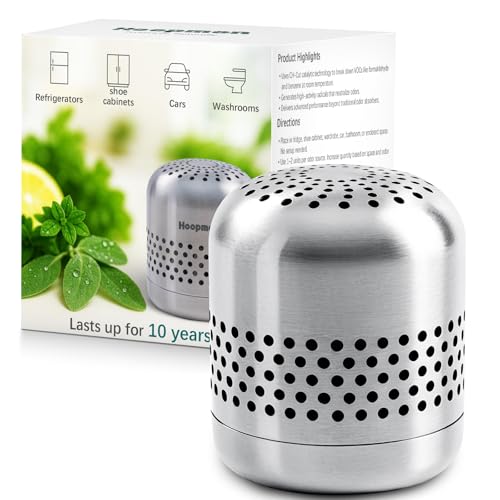
- stainless steel fridge deodorizer
- reusable fridge odor absorber charcoal
- fridge deodorizer vent clips


Before You Start
Empty the fridge and remove any spoiled items. Discard spoiled leftovers in a sealed bag. Wipe all shelves and drawers with a mild soap solution, then rinse and dry completely. Keep food tightly sealed to prevent future smells. Safety note: unplug the fridge if you perform a deep clean or rely on strong cleaning agents, and ensure the interior is fully dry before powering back on. Time estimates vary: a quick freshen-up can take 15–30 minutes, while a full clean may take up to an hour.
Step-By-Step: How To Get Rid Of A Bad Smell In The Fridge
- Remove all items and inspect for spoilage; discard any questionable foods.
- Take out shelves and drawers; wash them with warm water and a mild detergent, then dry thoroughly.
- Wipe the interior walls with a solution of baking soda and water to neutralize odors; rinse and dry.
- Place a fridge deodorizer baking soda pouch or a reusable charcoal absorber in the main compartment.
- Position an activated charcoal refrigerator odor absorber near the back or in a corner to maximize airflow.
- Attach fridge deodorizer vent clips to shelves or the door where airflow is strongest (optional).
- Replace or refresh absorbers every 30–90 days, or sooner if odors return persistently.
- Keep a small container of baking soda in the fridge between cleanings for ongoing neutralization.
- Wipe sealed containers and spill-prone areas promptly to prevent recurring odors.
- Reassemble shelves and draw ers, then restock with organized, clearly labeled items.
- Close the fridge tightly and monitor odor levels for a few days; repeat cleaning if odors reappear.
- Consider a periodic deep clean every 4–6 weeks during peak usage or after holidays with heavier food loads.
Troubleshooting
| Symptom | Likely Cause | Fix | Prevention |
|---|---|---|---|
| Persistent stale smell after cleaning | Absorbers not refreshed or replaced | Replace with fresh absorber; check placement | Schedule routine replacement intervals |
| Smell returns quickly after restocking | Spilled or poorly sealed items | Clean spills immediately; reseal containers | Use airtight containers for strong odors |
| Metallic or unusual odor | Dirty shelves or residue from cleaners | Wipe with plain warm water and mild soap; dry well | Rinse soap residue completely during cleaning |
Common Mistakes
- Using overpowering chemicals inside the fridge without ventilation
- Forgetting to dry shelves after cleaning, leading to humidity and odor
- Overloading one odor absorber, which can saturate quickly
- Ignoring the back of the fridge where many smells concentrate
Tips For Best Results
- Choose a combination approach: use baking soda for quick neutralization and charcoal for ongoing absorption.
- Place absorbers away from direct contact with food to avoid any potential transfer of odors.
- Label and rotate foods to prevent forgotten items from causing odors.
- Regularly clean the drip pan and door seals; these areas collect moisture and odor over time.
- Consider stainless steel fridge deodorizers for easy wipe-down and a sleek look in kitchens with stainless interiors.
Call A Professional
Most fridge odor issues are solvable with routine cleaning and odor absorbers. Seek professional help if you notice persistent mold growth, coolant leaks, unusual warmth, or a persistent strong odor despite cleaning and replacement of absorbers. Issues with the compressor, thermostat, or door seals may require a repair technician.
FAQ
What is the quickest way to remove fridge odors?
Wipe interior with a baking soda solution, wash shelves, and place a fridge deodorizer baking soda pouch or activated charcoal absorber inside.
Can baking soda harm food in the fridge?
No, when kept in a sealed pouch or small open container, baking soda helps neutralize odors without contacting food directly.
How often should I replace fridge odor absorbers?
Typically every 30–90 days, or sooner if odors return.
Are vent clips necessary for odor control?
Vent clips help improve air circulation around the interior, which can enhance odor absorption, especially in larger fridges.
Will stainless steel deodorizers affect metal surfaces?
Stainless steel options are designed to be safe for interior use and easy to wipe clean; follow product directions for best results.
Buying Guide
Choosing the right fridge odor control products involves considering size, placement, and maintenance needs. For compact fridges, a simple baking soda pouch or a small charcoal absorber is often enough. Larger models with multiple shelves may benefit from a combination of odor absorbers and vent clips to maximize airflow. Look for items labeled food-safe and easy to clean; stainless steel options offer a durable, wipe-clean surface that complements metal interiors. Energy efficiency isn’t directly affected by odor absorbers, but ensuring the fridge remains properly sealed reduces overall energy use and extends appliance life. When selecting products, think about placement: keep absorbers away from raw meats and dairy to avoid cross-contamination risk. Finally, compare ease of replacement, capacity, and how discreet the product is within your kitchen aesthetic. Do you prefer reusable options or simple disposable sachets?