Socks often harbor sweat, bacteria, and odors, making a thorough clean essential for comfort and hygiene. This guide provides a straightforward process to deep clean socks using common laundry tools and targeted products. It covers prep, effective cleaning methods, and how to maintain fresh, sock-ready results.
Quick Answer
For a fast deep clean, start by soaking socks in warm water with a gentle detergent, scrub any stains, then machine wash with a delicate cycle and an enzyme stain remover spray for tough spots. Finish with an odor eliminator spray and air dry. Use a mesh laundry bag for delicate fabrics to protect socks during washing.
What You’ll Need
- Mesh laundry bag for socks
- Delicate fabric detergent for socks and hosiery
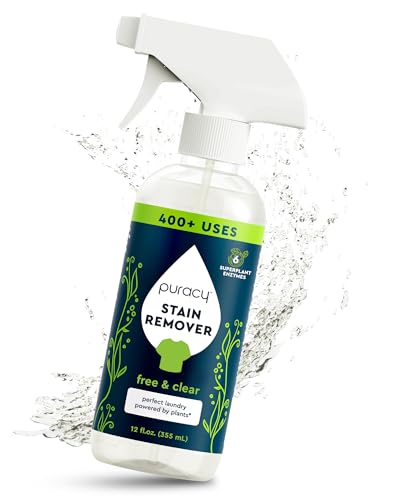
- Enzyme stain remover spray for socks
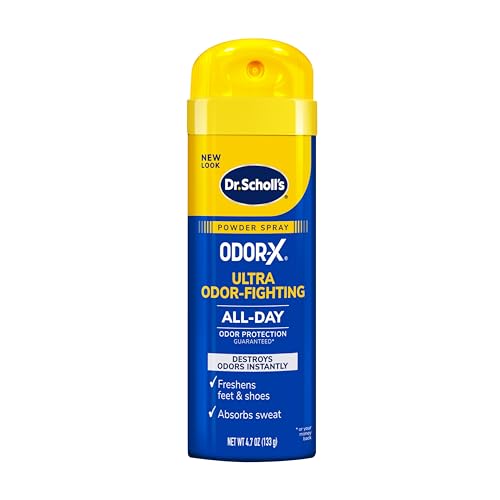
- Odor eliminator laundry spray for socks
- Sock cleaning brush scrubber

Before You Start
Test a hidden area of the fabric if you’re unsure about colorfastness. Pre-treat any visible stains with the enzyme stain remover spray. Use warm water and a gentle, fabric-safe detergent to avoid fiber damage. Allow the socks to dry completely before wearing. Never mix bleach with enzyme cleaners, and keep cleaning products out of reach of children and pets. Estimate 30–60 minutes for the prep and 1–2 cycles for a thorough deep clean.
Step-By-Step: How To Deep Clean Socks
- Sort socks by color and fabric type to prevent dye transfer and fabric damage.
- Fill a basin with warm water and add a delicate fabric detergent for socks and hosiery.
- Pre-treat stains with an enzyme stain remover spray for socks, focusing on areas like the heels and toes.
- Gently agitate socks in the soapy water for 5–10 minutes to lift dirt.
- Rinse thoroughly with clean water until no soap suds remain.
- Optionally place socks in a mesh laundry bag for socks and run a gentle cycle on a delicate setting.
- After washing, spray lightly with an odor eliminator laundry spray for socks to neutralize any remaining odors.
- Air dry on a rack or lay flat to maintain shape and elasticity.
- Inspect socks for remaining stains; repeat treatment if necessary.
- Store clean socks in a dry, ventilated area to prevent mildew.
- For persistent odors, repeat cleaning cycle or perform a second wash with the enzyme spray.
- Regularly repeat the process to keep socks fresh between wears.
Troubleshooting
| Symptom | Likely Cause | Fix | Prevention |
|---|---|---|---|
| Persistent odor after washing | Insufficient cleaning or odor buildup | Repeat wash with odor eliminator spray | Wash socks promptly after use; rotate pairs |
| Color fading or dye transfer | Washing with incompatible items | Separate colors; use cold water for colored socks | Sort by color; avoid overloading washer |
| Fibers fuzzing or pilling | Aggressive agitation | Use delicate cycle and a mesh bag | Choose gentle settings from the start |
| Stains not removing | Stains set or enzyme activity insufficient | Reapply enzyme stain remover and rewash | Treat stains promptly |
Common Mistakes
- Using hot water that can shrink or damage fibers
- Washing with heavy items that abrade socks
- Skipping pre-treatment on stubborn stains
- Over-drying, which can weaken elasticity
Avoid these pitfalls by sticking to gentle settings, proper sorting, and timely stain treatment.
Tips For Best Results
- Pre-treat problem areas with the enzyme stain remover spray before washing.
- Use a dedicated mesh bag to protect thin-knit socks during machine cycles.
- Limit the use of heavy fragrances which can irritate sensitive skin; opt for gentle detergents.
- Rotate sock pairs to prevent excessive wear on a single item.
- Air dry whenever possible to preserve elasticity and fit.
Call A Professional
Professional cleaning is typically unnecessary for everyday socks. Seek help if socks have persistent oils, adhesives, or dye transfer that seems resistant after multiple washes, or if you suspect material damage beyond routine care.
FAQ
Can I use bleach on socks?
Avoid chlorine bleach on most socks, especially delicate fabrics, as it can weaken fibers and cause color damage.
Is washing socks with other garments safe?
Yes, but separate as needed to prevent pilling and dye transfer; use a mesh bag for delicate socks.
How often should I deep clean athletic socks?
Deep clean after several wears or when odor persists; otherwise regular washing with a gentle detergent is sufficient.
What’s the best way to dry socks?
Air dry flat or on a rack; avoid high-heat dryers that can shrink or degrade elasticity.
Buying Guide
Key buying factors for sock care gear include size and type of items you’ll clean, how noisy the washing process is, energy efficiency of the washer if used, control options (eco modes, temp settings), and placement in the laundry area. Consider mesh bags for delicate socks to extend fiber life, and choose a delicate fabric detergent formulated for hosiery. For stain removal, enzyme-based sprays offer targeted cleaning for organic soils. Think about how often you launder socks and the typical loads to pick products that balance performance with ongoing cost. When comparing options, look for compatibility with your washing machine, fabric types, and any sensitivity needs regarding skin-contact products.