Carpets can harbor dirt, allergens, and stains even with regular vacuuming. For homes without a steam cleaner, effective deep cleaning still requires a thoughtful approach and the right tools. This guide walks American readers through practical methods using common supplies and targeted products to refresh carpet fibers safely and efficiently.
Quick Answer
Best quick method: Dampen the carpet lightly, apply a dry extraction powder or enzymatic stain remover, agitate with a brush, and extract using a portable handheld carpet cleaner or clean towels. Finish with a light rinse and thorough drying. For stubborn spots, reapply enzymatic spray and repeat.
What You’ll Need
- Portable handheld carpet cleaner or a clean towel and bucket for extraction
- Carpet cleaning brush microfiber attachment for brushing and agitation
- Carpet stain remover spray enzymatic for organic stains and odors
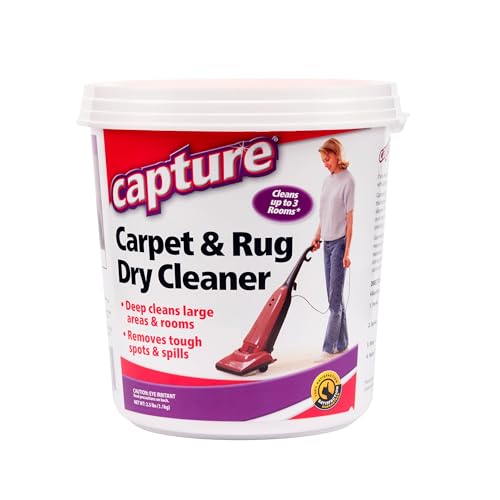
- Carpet cleaning powder dry extraction to lift soils before extraction
- Rug shampooer handheld with rotating brush as an optional deeper clean tool


Before You Start
Before tackling carpet cleaning, clear the space and vacuum to remove loose debris. Test all products in an inconspicuous area to confirm no discoloration. Protect wood floors and baseboards with a barrier, and ensure good ventilation for drying. Time estimates vary: plan for 1–3 hours per typical room, including drying time. Never saturate carpet too heavily, as excessive moisture can lead to mold growth and unpleasant odors.
Step-By-Step: How To Deep Clean Carpet Without Steam Cleaner
- Vacuum thoroughly to remove surface dirt and dust.
- Spot treat any visible stains with enzymatic stain remover spray. Let sit per label recommendations.
- Apply dry cleaning powder evenly over the area, following the product instructions for coverage.
- Work powder into fibers using a carpet cleaning brush microfiber attachment, making circular motions to lift soil.
- Let the powder rest for the recommended dwell time to absorb oils and grime.
- Extract moisture and loosened soil with a portable handheld carpet cleaner or by pressing towels into the pile and wringing them frequently.
- Rinse lightly the area with a minimal amount of clean water if residue remains, then blot vigorously.
- Repeat for stubborn stains, applying enzymatic spray again and brushing before a second extraction pass.
- Dry the carpet using fans or open windows; avoid walking on damp areas until fully dry.
- Finish with a light vacuum to lift fibers and remove any remaining powder residue.
Troubleshooting
| Symptom | Likely Cause | Fix | Prevention |
|---|---|---|---|
| Residue after cleaning | Over-application of powder | Brush well, vacuum thoroughly | Use the recommended amount in future |
| Streaky or uneven color | Moisture imbalance | Dry more completely before walking on carpet | Moderate moisture during cleaning |
| Persistent odor | Organic stains or deep-set oils | Reapply enzymatic spray and dwell longer before extraction | Treat high-odor areas promptly |
| Rough texture after cleaning | Overbrushing or over-wetting | Gentle brushing; ensure adequate drying | Moderate moisture and gentle agitation |
Common Mistakes
- Using too much water or soaking the carpet, which slows drying and fosters mold.
- Skipping a pretreatment on high-traffic stains, leading to partial removal.
- Over-brushing, which can fray fibers or wear the pile.
- Neglecting drying time, especially in humid climates.
Tips For Best Results
- Work in small, manageable sections to control moisture and ensure thorough cleaning.
- Choose enzyme-based stain removers for organic stains like spills from food or pets.
- Combine dry powder with brushing to maximize soil lift before extraction.
- Use rotating brush tools on rugs with synthetic fibers for a deeper clean, but avoid delicate natural fibers on high speed.
- Ventilate well and use fans to speed up drying, reducing the risk of mildew.
Call A Professional
Consider professional help if there are widespread pet stains, strong odors, or delicate materials (e.g., antique or wool carpets). Stop-and-go signs include persistent staining after repeated treatment, dye bleeding, or shrinking carpet. If moisture appears trapped under padding or backing, a professional assessment is advised.
FAQ
Can I deep clean carpet without any cleaning solutions?
Yes, mild household cleaners or mild detergent can be used with water, but enzymatic sprays are often more effective on organic stains.
Is it safe to use a handheld carpet cleaner on all carpet types?
Most synthetics tolerate handheld units, but test a hidden area first on delicate materials like silk or antique rugs.
How long does it take for carpet to dry without a steam cleaner?
Drying typically ranges from 4 to 12 hours depending on humidity, ventilation, and carpet type.
What’s the best way to remove powder residue?
Vacuum thoroughly after the recommended dwell time to remove any remaining powder.
Should I shampoo before or after stain treatment?
Stain treatment should occur before shampooing or powder application for best results.
Is it possible to deep clean multiple rooms in one day?
Yes, but plan for adequate drying time between rooms and ensure good airflow to prevent dampness buildup.
Do I need to rent equipment for better results?
For deeper cleaning beyond hand methods, a rug shampooer handheld with rotating brush can offer enhanced agitation and extraction.
Buying Guide
When choosing tools for deep cleaning without a steam cleaner, consider size, noise, energy efficiency, controls, and placement.
- <bSize and weight: A compact portable handheld model is easier to maneuver in small spaces.
- <bNoise level: Look for quieter motors for in-home use, especially in apartments or shared walls.
- <bEnergy efficiency: Choose devices with energy-saving settings or lower wattage when possible.
- <bControls: Simple on/off, adjustable brushing speeds, and clear user instructions help reduce misuse.
- <bPlacement: Store near cleaning supplies and away from moisture-prone areas to extend life.
Compare options that incorporate the included product keywords to cover a range of cleaning scenarios. For example, a portable handheld carpet cleaner pairs with a microfiber attachment for efficient agitation, while a carpet cleaning powder dry extraction offers quick soil lift between deep clean sessions. The rug shampooer handheld with rotating brush can be a valuable upgrade for larger rooms or stubborn stains. Consider your typical stain types, foot traffic, and whether you need rapid drying versus thorough extraction when selecting a system.