Keeping pillows clean improves sleep quality, reduces odors, and extends pillow life. This guide outlines practical steps to deep clean common pillow types, including down, memory foam, and synthetic fills, using household tools and safe cleaning methods.
The process combines mechanical cleaning, stain treatment, and thorough drying to prevent mold and mildew. Readers will learn how to assess pillow care labels, choose appropriate cleaners, and avoid over-wetting that can damage fillings.
Quick Answer
Deep clean in three parts: spot treat stains, wash or steam as appropriate, and ensure complete drying before reuse. Use the right tools and follow fabric care labels to avoid clumping or material damage.
What You’ll Need
- Handheld fabric steamer for pillows
- Mini vacuum cleaner for upholstery pillows
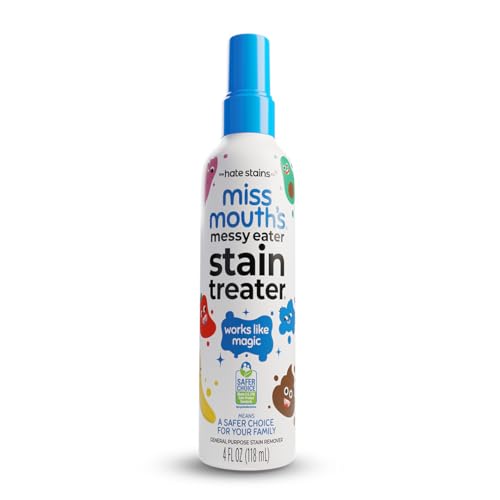
- Stain remover spray for pillows fabric
- Pillow washing bag for machine washing
- Fabric steam cleaner for upholstery


Before You Start
Check care labels on each pillow to determine whether machine washing, hand washing, or spot cleaning is recommended. Pre-treat stains with a gentle spray and test on an inconspicuous area. Ensure the washing machine and dryer can handle the pillow size, or opt for a hand-cleaning method. Safety note: do not use boiling water or aggressive solvents that could damage fabric or fillings. Plan for a full drying cycle to prevent mold growth, and remove pillow cases and protectors for thorough cleaning.
Time estimate: 60–180 minutes, depending on pillow type and drying conditions.
Step-By-Step: How To Deep Clean A Pillow
- Identify pillow type and care label instructions to choose the correct cleaning approach.
- Pre-treat noticeable stains with a stain remover spray for pillows fabric, applying gently and letting it sit for 5–10 minutes.
- For machine-washable pillows, place them in a pillow washing bag for machine washing to protect seams and ensure even cleaning.
- Run a gentle cycle with warm water and a mild detergent designed for textiles. Use an extra rinse to remove residual soap.
- For non-machine washable pillows or delicate fills, use a fabric steam cleaner for upholstery to refresh the surface and loosen grime without soaking.
- Spot-clean stubborn areas with the handheld fabric steamer for pillows at a safe distance to avoid oversaturation, then blot with a clean towel.
- After cleaning, squeeze out excess moisture carefully without twisting the pillow, then reshape the seams.
- Dry pillows thoroughly in a dryer with low heat or air-dry in a sunny, ventilated area. Add clean tennis balls or dryer balls to restore fluff.
- Check for complete dryness by feeling the center and turning pillows periodically during the drying process.
- Reinsert pillowcases and protectors, then fluff and test for comfort before sleeping.
- Repeat cleaning on a regular schedule, especially for pillows frequently used in warm or humid rooms.
Troubleshooting
| Symptom | Likely Cause | Fix | Prevention |
|---|---|---|---|
| Pillow still smells musty after washing | Remaining moisture or mold spores | Run an extra rinse and dry on low heat with dryer balls | Ensure complete drying; use ventilation during drying |
| Stains reappear after washing | Stain not fully pre-treated | Pre-treat with stain remover spray; repeat wash | Spot-treat before laundering |
| Filling clumps or shifts | Improper drying or over-wetting | Dry thoroughly; run extra tumble cycle | Use dryer balls; avoid over-wetting |
| Pillow fabric frays at edges | Aggressive washing or harsh cleaners | Switch to gentle cycle and milder detergent | Follow care labels; use pillow washing bag |
Common Mistakes
- Over-wetting down or feather pillows, which can take a long time to dry and promote mold.
- Using high heat that damages synthetic fills or tightens fabric weave.
- Skipping the pre-treatment step for visible stains, leading to persistence after cleaning.
- Neglecting to dry thoroughly, leaving moisture in core areas.
Tips For Best Results
- Use a pillow washing bag for machine washing to protect seams and maintain shape.
- For delicate fabrics, prefer a fabric steam cleaner for upholstery to refresh without full immersion.
- Rotate pillow cleaning with seasonal bedding to minimize buildup of sweat and oils.
- Air-dry pillows in a shaded, well-ventilated area to prevent sun damage while ensuring thorough drying.
- Label pillows with wash instructions to simplify future cleanings.
Call A Professional
Seek professional help if a pillow has persistent odors, visible mold, or if the pillow is antique, expensive, or contains specialty fills that require custom care. Stop cleaning and consult a professional if the pillow shows structural damage, tearing seams, or if staining involves unknown chemical exposure.
FAQ
Can all pillows be machine washed?
Many synthetic and some poly-filled pillows are machine washable, but always check the care label before washing.
How often should I deep clean my pillows?
Deep cleaning every 3–6 months is typical, with more frequent cleaning for hot sleepers or those with allergies.
Is it safe to use a steam cleaner on memory foam pillows?
Yes, a fabric steam cleaner can refresh the surface, but avoid saturating memory foam; spot clean and air dry thoroughly.
How can I tell if a pillow is completely dry?
Check for cool, dry feel in the core and replace or fluff regularly to ensure moisture has fully evaporated.
Buying Guide
When selecting cleaning equipment for pillows, consider size, noise, energy use, and practicality for your space.
- Size and capacity: Choose tools that match pillow dimensions; compact devices are easier to handle for home use.
- Noise level: Look for low-noise models for bedrooms and late-night cleaning.
- Energy efficiency: Energy-efficient steamers and vacuums save power during extended cleaning sessions.
- Controls and safety features: Adjustable heat, automatic shutoff, and safe-release mechanisms protect fabrics and hands.
- Placement and storage: Convenient storage near bedding areas encourages regular cleaning without clutter.
Buying considerations also include compatibility with pillow types, availability of replacement parts, and whether the kit includes a pillow washing bag or fabric steamer attachments. Users should weigh the benefits of a dedicated pillow cleaning kit versus multi-use home cleaning tools to optimize performance and value.