Mouthguards require regular cleaning to prevent bacteria buildup, odors, and discoloration. A thorough clean extends the life of the mouthguard and keeps it comfortable to wear. This guide provides practical steps that fit common at-home routines and uses readily available tools.
Following proper methods helps ensure your mouthguard remains hygienic without damage. The steps below combine straightforward cleaning actions with recommended tools and products designed for mouthguard care.
Quick Answer
To deep clean a mouthguard, soak it in a cleaning solution or warm water with baking soda, brush away debris with a dedicated mouthguard brush, rinse well, and air-dry. For stubborn buildup, use an ultrasonic cleaner or denture cleaning tablets as directed by the manufacturer.
What You’ll Need
- Ultrasonic cleaner for mouthguard
- Mouthguard cleaning kit with brush
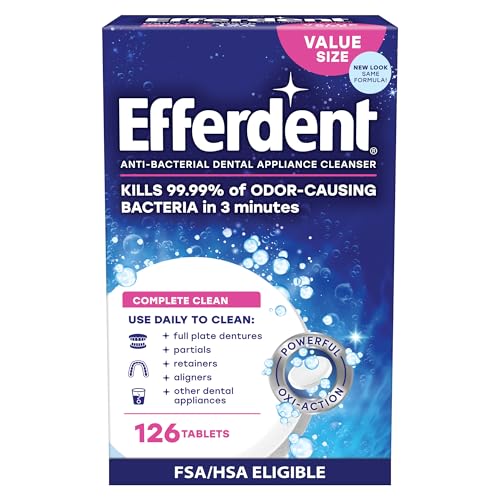
- Denture cleaning tablets for mouthguard
- Electric denture brush for mouthguard cleaning
- Mouthguard soaking tray with cleaning solution


Before You Start
Check the mouthguard’s material type and follow the manufacturer’s cleaning instructions. Inspect for cracks or wear before cleaning, as damaged guards may require replacement. Use cool or lukewarm water, not hot water, to avoid warping. Avoid microwaving or boiling. Plan for about 10–15 minutes of active cleaning plus drying time.
Step-By-Step: How To Deep Clean A Mouthguard
- Remove the mouthguard and rinse under cool running water to remove loose saliva and debris.
- Prepare a cleaning solution in the soaking tray using the recommended concentration for the product you choose.
- Submerge the mouthguard in the solution and let it soak for the time specified by the product or for 10–15 minutes.
- Gently scrub all surfaces with the mouthguard cleaning kit brush or electric denture brush to remove residue.
- For stubborn stains, use a denture cleaning tablet in the soaking tray as directed by the tablet’s label.
- If available, run the mouthguard through an ultrasonic cleaner for a more thorough cleanse following the device’s instructions.
- Rinse thoroughly under cool water to remove all cleaning agents and loosened debris.
- Pat dry with a clean towel or allow to air-dry on a clean surface away from pets and dust.
Troubleshooting
| Symptom | Likely Cause | Fix | Prevention |
|---|---|---|---|
| Persistent odor after cleaning | Insufficient soaking time or residue baked on | Increase soak time; re-clean with brush | Daily rinse and weekly deep clean |
| Streaks or cloudy appearance | Soap residue or mineral buildup | Rinse thoroughly; consider a dedicated cleaning tablet | Use recommended cleaners only |
| Guard feels tacky after rinse | Residual cleaning solution | Rinse longer; run a final rinse with plain water | Avoid over-soaking in concentrated solutions |
| Guard warped after cleaning | Exposure to hot water or heat | Use cool water; avoid boiling or microwaving | Follow temperature guidelines |
Common Mistakes
- Using hot water that warps the mouthguard material.
- Skipping brushing after soaking, which leaves biofilm behind.
- Using generic cleaners that are not designed for mouthguards.
- Ignoring the manufacturer’s care instructions, leading to damage.
Tips For Best Results
Space cleaning sessions evenly through the week to maintain hygiene. Consider pairing cleaning with a nightly routine and keeping the cleaning kit accessible. When using an ultrasonic cleaner, place the mouthguard in a dedicated tray or holder to prevent movement and damage. Always store the mouthguard in a clean, ventilated tray to dry completely between uses.
Call A Professional
If the mouthguard shows persistent wear, cracks, or persistent odor despite repeated cleaning, consult a dental professional. Signs that require expert advice include structural damage, color changes that do not fade with cleaning, or discomfort during use. A clinician can assess fit, recommend replacement, and provide care guidance.
FAQ
How often should I deep clean my mouthguard?
Deep-clean it at least once a week, and rinse after each use to prevent buildup.
Can I use vinegar or lemon juice to clean a mouthguard?
Acids can degrade some materials; use manufacturer-approved cleaners or the suggested soaking solutions.
Is it safe to put a mouthguard in the dishwasher?
Most are not dishwasher-safe; follow the care instructions provided with the guard.
What if my mouthguard is labeled as microwave-safe?
Even if labeled microwave-safe, avoid heat exposure that could warp the material; rely on cool-water cleaning methods.
Should I remove the mouthguard before brushing my teeth?
Rinse before and after brushing to minimize residue and bacteria transfer.
Can I use regular toothpaste on a mouthguard?
Toothpaste can be abrasive; use a soft brush with water or a manufacturer-recommended cleaning agent.
How do I store a mouthguard between uses?
Keep it in a clean, ventilated tray or case to dry completely and reduce bacterial growth.
Buying Guide
Key factors influence selecting cleaning tools for mouthguards. Size matters for comfortable fit with your device, and noise level may matter for at-home use, especially in shared spaces. Energy efficiency is less critical for small devices but consider if using continuous cleaning cycles. Look for controls that are simple to operate—timed soaking, brushing modes, and auto-shutoff help prevent over-cleaning. Placement options include compact trays that fit inside medicine cabinets or dedicated drying cases.
When comparing products, consider how well each item collaborates with your mouthguard’s material. A dedicated mouthguard cleaning kit with brush pairs well with denture cleaning tablets for tough buildup, while an ultrasonic cleaner can provide deeper cleaning for frequent users. For convenience, an electric denture brush can accelerate scrubbing without excessive effort. Finally, ensure replacement parts and cleaning solutions are readily available in the U.S. market.