Spills and accidents on fabric couches are common, especially with pets. A quick, thorough clean can remove odors, safeguard fabrics, and prevent lingering stains. This guide outlines a practical, step-by-step approach using readily available products and safe techniques for American homes.
By following these steps, homeowners can regain a fresh, comfortable seating area while minimizing odors and future accidents. The focus is on pet-friendly cleaners and proven methods that work across common couch fabrics.
Quick Answer
Begin by blotting the area to remove moisture, then treat with a pet urine enzyme cleaner for sofa upholstery. Use a portable upholstery steam cleaner for fabric furniture if available, followed by baking soda to neutralize remaining odor. Repeat as needed and allow full drying between steps.
What You’ll Need
- Pet Urine Enzyme Cleaner for Sofa Upholstery
- Upholstery Stain & Odor Remover for Pets Couch
- Portable Upholstery Steam Cleaner for Fabric Furniture
- Odor Eliminator Baking Soda for Couch Pet Urine
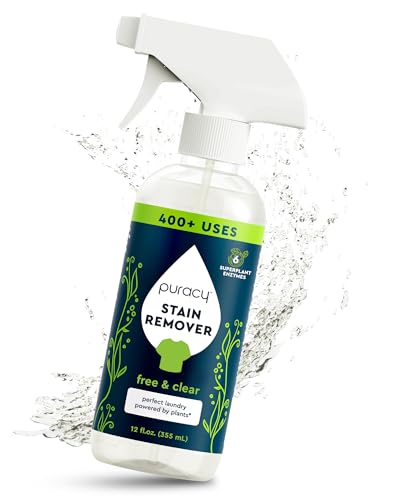
- Enzyme-Based Pet Stain Remover Spray for Fabric Sofa


Before You Start
Clear the area and remove cushions or removable covers to access all affected areas. Test any cleaner on a hidden fabric spot first to ensure colorfastness. Work from the outside of the stain toward the center to prevent spreading. Allow sufficient drying time between treatments, especially in humid rooms. Keep pets and children away from treated areas until completely dry. Plan for a few hours of partial to full drying time depending on fabric and climate.
Step-By-Step: How To Deep Clean A Pee-Stained Couch
- Blot the area with clean, white cloths or towels to absorb as much liquid as possible. Avoid rubbing, which can push urine deeper into fibers.
- Flush with water light mist or dab with a damp cloth to dilute remaining urine. Blot again to remove moisture.
- Apply enzyme cleaner generously to the affected zone. Follow the product instructions for contact time to break down uric acid and proteins.
- Agitate lightly with a soft-bristled brush to help cleaner penetrate fibers, then blot away excess liquid.
- Use a portable upholstery steam cleaner on a low-heat setting if available to remove residual moisture and loosen odors. Do not oversaturate delicate fabrics.
- Proceed with a second enzyme-based treatment if odor or staining remains. Reapply and allow to sit as directed, then blot dry.
- Neutralize with baking soda once the area feels dry to the touch. Sprinkle lightly, let sit for 15–30 minutes, then vacuum thoroughly.
- Air dry completely before returning cushions and using the sofa. If possible, place fans nearby or open windows to speed drying.
Troubleshooting
| Symptom | Likely Cause | Fix | Prevention |
|---|---|---|---|
| Strong urine odor persists after cleaning | Incomplete enzyme action or deep-set odor | Repeat enzyme treatment and extend contact time; bake with baking soda | Address accidents promptly; use enzyme cleaner at first sign of spill |
| Stain remains after cleaning | Set-in stain or residue | Spot treat with enzyme remover; gentle agitation | Test spot-cleaning methods on hidden areas first |
| Fabric feels stiff after cleaning | Excess cleaner or residue | Rinse gently with water and blot; avoid over-saturation | Use minimal liquid during cleaning |
| Fabrics darken when wet | Color transfer from dye | Patience and slow drying; test cleaners first | Perform colorfast tests before full treatment |
Common Mistakes
- Using ammonia-based cleaners, which can worsen odor and attract pets
- Over-wetting the fabric, leading to long drying times or mold risk
- Skipping a test patch on an inconspicuous area
- Rubbing aggressively, which embeds stains deeper
Tips For Best Results
- Choose an enzyme-based product designed for pet stains to break down uric acid effectively.
- Work in a well-ventilated area to speed up drying and reduce lingering odors.
- Use baking soda as a final odor guard; it’s gentle and widely effective for pet odors.
- Regularly vacuum the couch to remove hair and loose particles that can trap odors.
- Keep a routine stain-removal kit handy for quick response to future accidents.
Call A Professional
Seek professional cleaning if odors persist after multiple enzyme treatments or if the fabric is delicate, expensive, or heavily soiled. Stop signs include persistent odor after 48 hours, persistent staining, or fabric damage such as color loss or fiber distortion. A pro can assess upholstery type and apply advanced treatments safely.
FAQ
What should I do first when my couch gets peed on?
Blot the area to absorb moisture, then begin with an enzyme cleaner to break down organic compounds.
Can I use regular household cleaners on pet urine stains?
It’s best to use enzyme-based cleaners specifically formulated for pet urine on upholstery.
How long does it take for the couch to dry after cleaning?
Drying times vary by fabric and room conditions, typically a few hours to a full day.
Is baking soda safe on all couch fabrics?
Baking soda is generally safe, but test on a hidden area first and avoid excessive application on sensitive materials.
Should I repeat cleaning if odor returns?
Yes, repeat enzyme treatment and deodorizing steps to target residual compounds.
Can I use a steam cleaner on any fabric?
Only use a steam cleaner on fabrics labeled as safe for steam cleaning and follow the manufacturer’s guidance.
What if the stain is on a sectional or cushions?
Treat surrounding cushions and sections individually to prevent spreading and ensure complete odor control.
Buying Guide
Choosing the right products and equipment for cleaning couch urine involves several factors. Consider the size of the stain, fabric type, noise level of any cleaning machine, energy efficiency of equipment, control options, and placement flexibility in your living space.
Key buying factors include:
- <bCleaning power and compatibility: Look for enzyme-based pet stain removers and odor eliminators that are safe for your upholstery fabric. Check compatibility with cotton, polyester, microfiber, and blends.
- <bOdor control: Prioritize products with proven enzymatic action to neutralize urine compounds rather than masking odors with fragrances alone.
- <bTools and portability: A lightweight portable upholstery steamer can help lift soils, while a compact manual sprayer offers targeted application for spot cleaning.
- <bEase of use: Simple spray-and-wipe formulas with clear contact times save time and reduce trial-and-error.
- <bDrying time: Shorter drying times reduce the risk of secondary odors and mold growth.
- <bCost and availability: Choose products commonly stocked at major retailers for easier replacements and consistent performance.
- <bPlacement and storage: Store cleaners in a cool, dry place and ensure they are kept away from children and pets when not in use.
When comparing options, weigh how each product works with your couch’s fabric and your cleaning routine. For repeat incidents, a combination approach—enzyme cleaners, baking soda deodorizing, and optional steam-assisted refresh—often yields the best long-term results.