Keeping a car clean protects its finish, preserves interior comfort, and can extend resale value. This guide covers a practical, real-world approach using common detailing tools to achieve a showroom-clean result without professional help.
Quick Answer
For quick results, start with a thorough exterior wash, then vacuum and wipe the interior, finish with a clay bar to remove contaminants, and apply protective details. Use microfiber towels for drying and buffing, and a cordless vacuum for hard-to-reach spots.
What You’ll Need
- Microfiber car cleaning towels 12×16 detailing
- Car wash mitt microfiber detailing kit
- Interior car detail brush set for dashboard vents
- Cordless portable car vacuum cleaner
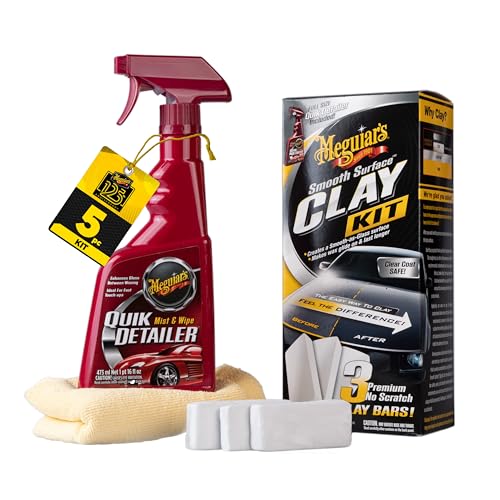
- Detailing clay bar kit for car paint protection


Before You Start
Assess the vehicle’s condition and gather all tools before you begin. Protect surfaces and use two buckets: one for soap and one for rinse to minimize scratching. Time estimate: exterior wash 20–30 minutes, interior cleaning 30–45 minutes, detailing and touch-ups 20–40 minutes. Always work in a shaded area to prevent water spots and chemical streaks.
Safety notes: keep cleaners out of children’s reach, test any new product on a hidden area first, and avoid applying cleaners to hot surfaces. Ventilate the cabin during interior cleaning to reduce chemical smells.
Step-By-Step: How To Clean Your Car
- Rinse the car to remove loose dirt and debris, starting from the top down to prevent dragging dirt onto clean areas.
- Wash with a dedicated car shampoo using a microfiber wash mitt. Use a two-bucket method: one for soapy water, one for rinse, and frequently rinse the mitt.
- Dry the exterior with clean microfiber towels, blotting to avoid scratching and leaving water spots.
- Expose wheels and apply a wheel-specific cleaner if needed, scrubbing with a dedicated brush. Rinse thoroughly and dry with separate towels.
- Inspect the paint for bonded contaminants. Use a detailing clay bar kit for car paint protection on a lubricated surface to remove embedded grime.
- Apply a light glaze or wax as desired to protect the finish. Buff with a clean microfiber towel until the surface shines.
- Vacuum the interior thoroughly with the cordless portable car vacuum cleaner, moving from seats to floor mats to trunk. Use the brush attachments for vents and crevices.
- Clean the dashboard, consoles, and panels with a brush set for interior details, followed by a microfiber cloth to remove dust and fingerprints. Wipe window interiors for a streak-free view.
- Clean and refresh floor mats separately. Remove mats, shake out debris, vacuum, and suspend to air-dry.
- Detail and protect interior surfaces with appropriate cleaners and protectants. Apply to plastic, leather, and fabric as recommended by product guidelines.
- Perform a final wipe-down and inspect for missed spots. Touch up as needed to ensure an even finish across all surfaces.
Troubleshooting
| Symptom | Likely Cause | Fix | Prevention |
|---|---|---|---|
| Streaky windows | Residue from cleaner | Use a dedicated glass cleaner and microfiber cloth; wipe in a circular motion, then wipe with a dry edge | Always use the right cleaner for glass and avoid wax near glass |
| Scratch marks after washing | A few dirt particles in the mitt | Rinse mitt often and use a fresh section of the towel | Use a two-bucket method and a clean mitt |
| Dull paint after clay bar | Insufficient lubrication | Respray lubricant and re-clay with a light touch | Follow clay bar instructions precisely |
| Interior surfaces sticky | Strong cleaner residue | Wipe with a damp microfiber cloth and dry | Test cleaners on hidden areas first |
Common Mistakes
- Using household cleaners on automotive surfaces
- Using dirty towels or sponges that trap grit
- Neglecting to dry surfaces thoroughly, leading to water spots
- Applying protectants to overly hot surfaces
Tips For Best Results
- Work in a shaded area to prevent water spots and cleaner streaks
- Switch to fresh microfiber towels for drying and polishing to avoid cross-contamination
- Use a separate set of tools for interior and exterior cleaning
- Follow product instructions for dwell time and recommended use
Call A Professional
Seek professional help if the vehicle has extensive paint damage, deep scratches, or stubborn non-removable stains on upholstery. Stop and consult a pro if you notice oil leaks, persistent odors that resist cleaning, or damaged trim that requires specialized restoration.
FAQ
Can I clean my car without a clay bar?
Yes, but a clay bar helps remove bonded contaminants for a smoother finish. If you skip it, consider a dedicated detailing spray and a regular wash to maintain surface smoothness.
What is the best order for cleaning a car interior?
Start with vacuuming, then wipe hard surfaces, clean vents with a brush, treat fabrics if needed, and finish with glass cleaning.
Are cordless vacuums as effective as corded models?
Modern cordless vacuums offer excellent portability and sufficient suction for most car cleaning tasks, especially for smaller vehicles or quick cleans.
How often should I detail my car interior?
For regular maintenance, a light interior clean every 1–2 weeks and a full detail every 1–3 months, depending on usage and climate.
Is waxing necessary after a clay bar treatment?
Waxing or sealing after clay bar is recommended to restore gloss and provide durable protection.
What should I do if water spots appear?
Dry surfaces promptly and use a high-quality microfiber towel to buff out spots; maintain a consistent wash routine to minimize occurrence.
Are there eco-friendly products for car cleaning?
Yes, many brands offer low-VOC, biodegradable cleaners that are safer for you and the environment while still delivering good results.
Buying Guide
Choosing the right car cleaning kit involves considering several factors beyond basic function. Look for a balanced set that covers exterior and interior needs while remaining easy to handle in a typical American driveway.
Size and Form Factor
Consider the size of your vehicle when selecting towels and wash mitts. Bigger vehicles benefit from larger microfiber towels and mitts to reduce time spent on coverage.
Noise Level
Cordless vacuums vary in noise. If noise is a concern, check decibel ratings and opt for models designed for quiet operation while still delivering adequate suction.
Energy Efficiency
Cordless tools use battery power; choose high-capacity batteries with longer runtime and quick-charging options to keep cleaning sessions efficient.
Controls and Ergonomics
Look for lightweight tools with comfortable grips, straightforward controls, and easily accessible attachments for interior detailing and tight spaces.
Placement and Storage
Choose compact storage solutions or organizers so cleaning gear fits in the trunk or garage shelf without crowding your workspace.