Smoke residue can create stubborn yellow stains on painted walls, along with lingering odors. This guide outlines practical steps to restore brightness and freshness using common household tools and proven cleaners. The process emphasizes safety, proper surface care, and selecting the right products for painted walls.
Quick Answer
Remove smoke stains first with a targeted wall cleaner spray, then tackle odors with an odor eliminator spray for walls smoke damage. For tougher spots, use a stiff bristle wall cleaning brush set or a power scrubbing sponge. Finish with microfiber cloths to buff and prevent streaks.
The Wall Cleaning Toolkit: What You’ll Need
Prepare with the following items arranged before you start. The goal is to lift soot and stains without dulling or damaging the paint.
- Smoke stain remover wall cleaner spray for targeted stain lifting
- Odor eliminator spray for walls smoke damage to neutralize lingering smells
- Stiff bristle wall cleaning brush set for textured or stubborn areas
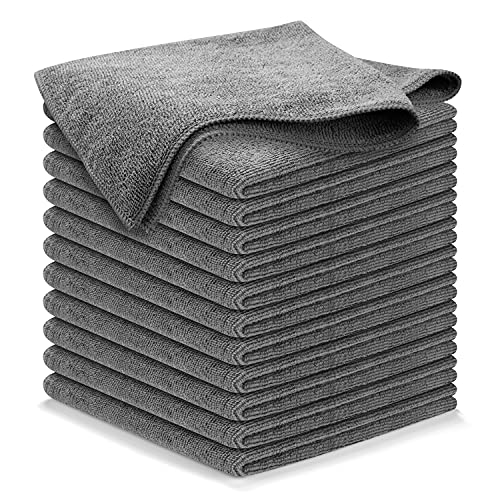
- Microfiber wall cleaning cloth set for gentle wiping and buffing
- Power scrubbing sponge for painted walls for light agitation in flat areas


Before You Start
Before cleaning begins, protect floors with drop cloths or old sheets and remove or cover furniture. Test cleaners on a small, inconspicuous area to ensure no paint damage or color loss occurs. Sweat, heat, and humidity can intensify odors, so ensure good ventilation by opening windows or using a fan. Plan for a multi-step process and allow time for rinse and dry between passes. Wear gloves and eye protection to guard against chemical exposure, and never mix cleaners unless the product instructions explicitly allow it.
Step-By-Step: How To Clean Yellow Walls From Smoke
- Prepare the area: Move furniture away, lay protective coverings, and open windows for airflow.
- Apply a test patch: Spray a small area with the smoke stain remover wall cleaner, wait 30 seconds, and blot with a microfiber cloth to ensure paint integrity.
- Treat the worst stains: Apply the cleaner directly to visibly smoked areas and let it sit briefly to loosen oils and soot.
- Gently scrub: Use the stiff bristle wall cleaning brush set on textured surfaces, or a power scrubbing sponge for flat, painted walls. Avoid aggressive scrubbing that can remove paint.
- Rinse and wipe: Dampen a microfiber cloth with clean water and wipe the treated areas to remove residue. Rinse the cloth frequently to avoid spreading soot.
- Neutralize odors: After staining is lifted, spray the odor eliminator spray for walls smoke damage in a light mist across the area to tackle remaining smells.
- Final wipe and dry: Use a dry microfiber cloth to buff the walls and remove any remaining dampness. Allow ample air circulation for thorough drying.
- Inspect for recurrences: Revisit spots that still appear yellow or odorous. Repeat treatment on stubborn areas only if needed.
- Protect and maintain: Consider applying a wall sealer or stain-blocking primer in high-traffic or smoke-prone rooms to prevent future staining.
- Cleanup: Store cleaners securely and wash brushes and cloths after use to prevent residue transfer to other surfaces.
- Document results: Take a before-and-after photo to compare progress and guide future cleaning efforts if smoke recurs.
- Set expectations: Some deep-seated smoke odors may require professional remediation if odors persist after cleaning.
Troubleshooting
| Symptom | Likely Cause | Fix | Prevention |
|---|---|---|---|
| Yellow staining remains after cleaning | Oil-based smoke residues deeply absorbed by paint | Repeat cleaning with stain remover and consider a primer sealer before repaint | Seal walls before repainting and avoid aggressive scrubbing that damages paint |
| Paint dulls or rubs off | Paint type incompatible with cleaners or scrubbing | Test in a hidden area; switch to milder cleaning approaches or consult product guidance | Use products labeled safe for your paint finish |
| Unpleasant odor persists | Odor penetrated into deeper materials | Increase ventilation, use odor eliminator, and consider replacing affected fabrics or drywall | Address smoke sources promptly and ventilate during cleaning |
| Streaks after cleaning | Excess moisture or improper wiping technique | Wipe with a dry microfiber cloth in a single direction until streak-free | Use light sprays and consistent wiping pressure |
Common Mistakes To Avoid
- Over-wetting walls, which can cause paint peeling or mold growth
- Using abrasive brushes on delicate surfaces, leading to scratches
- Neglecting to test cleaners on a hidden patch first
- Mixing cleaners without manufacturer guidance, potentially releasing harmful fumes
- Skipping odor control steps after stain removal, leaving lingering smells
Tips For Best Results
- Work from top to bottom to prevent drips onto cleaned areas
- Use a light, even mist for odor eliminators to avoid over-wetting
- Choose a microfiber cloth with a tight weave for better pickup of soot
- Periodically rinse tools to prevent re-depositing grime
Call A Professional
Consider a professional if smoke damage covers large areas, if walls are textured with heavy soot, or if persistent odors remain after multiple cleaning attempts. Look for signs that warrant expert help:
- Smell persists despite cleaning and ventilation efforts
- Extensive staining on ceilings or structural woodwork
- Water damage accompany smoke residue, creating mold risk
FAQ
Can I use regular household cleaners to remove smoke stains?
Yes, but products labeled for smoke or soot cleanup are usually more effective. Always test a small area first.
Will cleaning remove all yellowing from smoke?
Often, some staining remains, especially if smoke penetrated into the paint or substrate. Priming and sealing may be needed before repainting.
How long does it take to clean smoke-damaged walls?
Drying times vary by room size and ventilation but plan for several hours across a multi-step process.
Is repainting necessary after smoke cleanup?
In many cases, repainting with a stain-blocking primer provides a long-term solution and can prevent future yellowing.
Can I clean smoke stains on wallpaper?
Wallpaper requires gentler cleaning; test with a mild solution and avoid saturating the paper. In some cases, professional restoration is advised.
Are there safer, non-toxic options for homes with kids or pets?
Yes, choose low-VOC products and ensure proper ventilation during use.
How do I prevent yellowing in the future?
Regular maintenance, prompt cleaning after incidents, and sealing walls in smoke-prone areas can reduce staining risk.
Buying Guide
Choosing the right products and approach matters for effective smoke stain removal and odor control. Consider the following factors to guide a practical purchase plan.
Size and coverage: Look for spray cleaners with sufficient coverage for your wall area. A larger can or bottle reduces refills and speeds up the process.
Noise level: Power scrubbing equipment can be noisy; choose settings or tools with reasonable noise output for comfortable indoor use.
Energy efficiency: For any powered scrubbing equipment, consider models with efficient motors and adjustable speeds to minimize energy use.
Controls: Simple, easy-to-use spray triggers or powered scrubbers help maintain consistent cleaning without over-wetting.
Placement and storage: Store cleaners away from heat sources and out of reach of children and pets. Keep tools organized for quick cleanup sessions.
Paint compatibility: Verify that cleaners are safe for your wall finish (matte, eggshell, satin, or semi-gloss) to avoid dulling or damage.
Odor control performance: Odor eliminators should be effective against smoke odors without leaving strong fragrances that irritate sensitive occupants.
Total cost of ownership: Consider the combined value of cleaners, brushes, and cloths. Reusable tools save money over disposable options.
Ease of use: Choose tools and cleaners that fit your cleaning pace and comfort level, especially for multi-room projects.