Fiberglass tubs can accumulate stubborn soap scum and mineral deposits over the years. A careful, repeatable cleaning routine can restore shine without scratching the surface. This guide provides practical steps, the right tools, and safety notes to tackle long-standing soap scum effectively.
Quick Answer
For years of soap scum on fiberglass, start with warm water and a mild cleaner, then scrub with a non-abrasive pad or nylon brush. Rinse thoroughly, dry with a microfiber cloth or squeegee, and repeat weekly to prevent buildup.
What You’ll Need
- Nylon bristle bathroom scrub brush for fiberglass tub
- Soft microfiber cleaning cloth for fiberglass tub soap scum
- Non-abrasive scrub pad for fiberglass tub cleaning
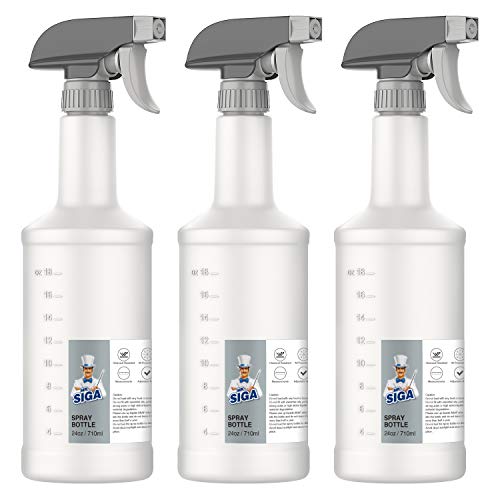
- Reusable spray bottle for bathroom cleaning fiberglass tub
- Bathroom squeegee for fiberglass tub soap scum removal


Before You Start
Prepare a well-ventilated area and wear gloves to protect skin from cleaners. Test any cleaner in a small, inconspicuous spot to ensure it won’t dull the fiberglass finish. Plan for a 30–60 minute cleaning session, depending on buildup. Keep cleaners away from grout lines and any metal fixtures to avoid staining or corrosion.
Step-By-Step: Cleaning Years Of Soap Scum From Fiberglass Tub
- Remove loose items and rinse the tub with warm water to loosen surface grime.
- Apply a mild, non-abrasive cleaner or white vinegar solution to the affected areas.
- Let it sit for 5–10 minutes to break down soap scum and mineral deposits.
- Gently scrub in circular motions with the nylon bristle brush or non-abrasive scrub pad, focusing on corners and seams.
- Rinse thoroughly with warm water to remove loosened residue.
- For tough spots, reapply cleaner and scrub with light pressure using the scrub pad or brush.
- Wipe dry with a soft microfiber cloth to prevent water spots and mildew growth.
- Use a bathroom squeegee to remove excess water after each use to reduce buildup.
- Inspect for remaining stains; repeat steps as needed on stubborn areas.
- Finish with a light spray of cleaner on a microfiber cloth and buff the surface for a shine.
- Routinely dry the tub after showers to maintain cleanliness and prevent future scum.
- Store tools in a dry, accessible location for quick maintenance sessions.
Troubleshooting
| Symptom | Likely Cause | Fix | Prevention |
|---|---|---|---|
| Soap scum returns quickly | Frequent soap use with hard water | Wipe down after use; switch to a stronger but non-abrasive cleaner | Regular quick cleans, weekly wipe-down |
| Streaks after cleaning | Residual cleaner or hard water minerals | Rinse thoroughly and dry with microfiber | Use distilled water for final rinse if possible |
| Scratches appearing | Overly aggressive scrubbing or abrasive pads | Switch to gentler pads and softer cloths | Avoid metal or hard-bristle brushes on fiberglass |
| Discoloration | Strong cleaners left on surface | Rinse immediately and re-clean with mild product | Test cleaners first, limit contact time |
Common Mistakes
- Using abrasive pads or steel wool on fiberglass
- Neglecting to rinse and dry after cleaning
- Letting cleaners sit too long on the surface
- Mixing cleaners that create harmful fumes or residues
These missteps can scratch, dull, or discolor fiberglass. Consistency and gentleness help maintain a glossy finish.
Tips For Best Results
- Schedule a weekly maintenance routine to prevent heavy buildup.
- Keep a dedicated reusable spray bottle filled with a mild cleaner for quick touch-ups.
- Pair a nylon brush with a microfiber cloth for deep cleaning and a streak-free finish.
- Rinse thoroughly and dry immediately after each shower to minimize soap scum formation.
- Consider a mild protective spray designed for fiberglass after cleaning to reduce future sticking.
Call A Professional
Contact a pro if the fiberglass tub shows deep staining, cracking, or if cleaning yields no improvement after multiple attempts. Seek immediate help for any signs of mold growth, persistent odors, or significant structural damage.
FAQ
What type of cleaner is best for fiberglass tubs?
Use a mild, non-abrasive cleaner or a vinegar-water solution to avoid damaging the surface.
Can I use bleach on fiberglass tubs?
Bleach can be too harsh and may discolor or weaken fiberglass; avoid regular use and opt for gentler cleaners.
How often should I clean soap scum off a fiberglass tub?
Wipe down after each use and perform a deeper clean weekly or biweekly depending on buildup.
Is a squeegee effective for prevention?
Yes, using a bathroom squeegee after showers helps prevent soap scum and mineral deposits from forming.
Buying Guide
When choosing products for fiberglass tub cleaning, consider size, ease of use, and compatibility with fiberglass finishes. Look for non-abrasive formulations that remove soap scum without scratching. A balanced kit often includes a nylon scrub brush, microfiber cloths, a non-abrasive pad, a spray bottle, and a squeegee. Consider how often you clean, the water hardness in your area, and whether you prefer a spray-on cleaner or a paste. A compact, easy-to-store kit works well for smaller bathrooms, while a larger set might be preferable for households with frequent maintenance needs. Choose tools that feel comfortable in hand and are safe for fiberglass surfaces to ensure long-term cleanliness and surface integrity.