Keeping outdoor equipment clean extends its life and improves performance. This guide focuses on practical, American-friendly methods for cleaning common yard tools while protecting metal, plastic, and finishes from rust, grit, and chemical damage.
Quick Answer
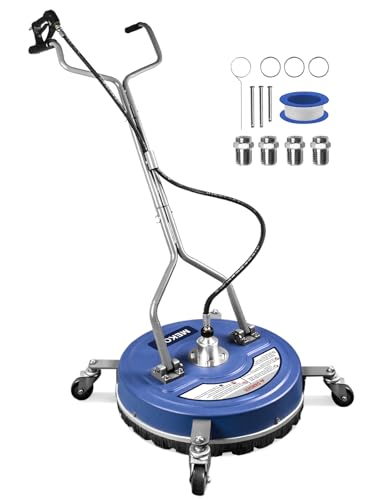
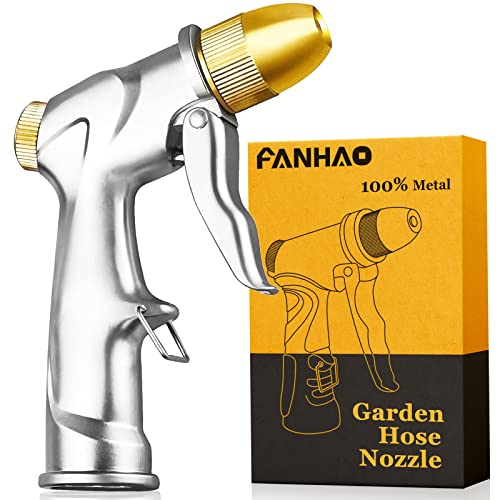
Use a combination of rinsing, degreasing spray, and a soft brush for removal of dirt; follow with a rust remover and protectant kit for metal parts. For stubborn grime, a pressure washer surface cleaner can help without harming tool finishes. Finish with a hose nozzle for precise rinsing and easy storage.
What You’ll Need
- yard tool cleaning brush set
- garden hose nozzle for tool cleaning
- pressure washer surface cleaner for decks and tools
- outdoor degreaser spray for tools
- tool rust remover and protectant kit
- clean rags or towels
- protective gloves
- eye protection

Before You Start
Prepare a work area that can handle water runoff and avoid work during extreme heat. Wear protective gloves and eye protection, and ensure tools are cool before cleaning to prevent burns. Work on a stable surface and separate delicate wooden handles from metal parts during cleaning. Time to complete varies by tool type but plan 20–45 minutes for a full cleaning session.
Key cautions: never mix degreasers with bleach, and never use high-pressure settings on delicate finishes. Use a damp cloth to test a small area first if you’re unsure about finish compatibility.
Step-By-Step: How To Clean Yard Tools Effectively
- Detach any removable parts or accessories to prevent damage and to access all surfaces.
- Rinse off loose dirt with a garden hose using a moderate spray to avoid pushing grime into joints.
- Apply outdoor degreaser spray for tools to the most oily or sticky areas and let it sit for a few minutes.
- Use a yard tool cleaning brush set to scrub dirt from blades, prongs, and housings; rinse as you go.
- For stubborn rust or tarnish, apply a tool rust remover and protectant kit to affected areas and follow the product directions.
- If needed, use a pressure washer surface cleaner for decks and tools on low pressure to lift embedded grime without stripping finishes.
- Rinse thoroughly with a fine spray from the garden hose to remove all cleaner residues and debris.
- Dry metal surfaces with a clean cloth to prevent water spots and flash rust; wipe wooden handles to maintain grip and finish.
- Apply a light coating of protectant to metal parts to slow future rust and keep moving parts lubricated; allow to dry completely.
- Reassemble tools and store in a dry, ventilated area; hang heavy items to prevent bending and corrosion.
- Inspect for wear or damage and address issues promptly to extend tool life.
- Maintain a routine cleaning after heavy yard work to prevent buildup and corrosion.
Troubleshooting
| Symptom | Likely Cause | Fix | Prevention |
|---|---|---|---|
| Tool still looks dull or rusted after cleaning | Residual rust or pitting | Repeat rust remover treatment and protectant; consider metal polish for shine | Clean promptly after use; dry thoroughly |
| Finish scratched after cleaning | Aggressive brushing or high-pressure spray | Switch to softer brushes and lower pressure | Test areas and use gentler methods on sensitive finishes |
| Cleaner not lifting grease | Grease buildup | Reapply degreaser, increase contact time, scrub with stiff brush | Regular maintenance to prevent heavy buildup |
| Wood handles swelling | Excess moisture or chemical exposure | Dry thoroughly and use wood conditioner after cleaning | Protect handles with appropriate finishes |
Common Mistakes
- Overusing high-pressure water on delicate tool finishes
- Skipping drying, which promotes rust on metal parts
- Using household cleaners that can damage finishes or wooden handles
- Neglecting thorough drying of joints and screws, leading to corrosion
Tips For Best Results
- Clean tools soon after use to minimize stubborn grime buildup.
- Use a dedicated degreaser spray for heavy grease and oil on power tools and metal parts.
- Organize cleaning sessions with a partner to cover more tools quickly and safely.
- Store tools off the ground to avoid moisture exposure; use a dehumidified shed or cabinet.
- Label tools and keep a small maintenance kit handy for quick touch-ups.
Call A Professional
Seek professional help if corrosion has penetrated deeply into metal or if tools show cracked handles, bent frames, or failed safety mechanisms. Do not continue to use tools that display structural damage, severe rust, or compromised grips, as this can pose safety risks.
FAQ
How often should yard tools be cleaned?
Clean tools after use, especially after cutting, digging, or handling grease-prone materials, to prevent buildup and rust.
Can I use bleach or vinegar for cleaning tools?
Bleach and acidic cleaners can damage metal finishes and wooden handles; use purpose-made degreasers and mild detergents instead.
Is it okay to use a pressure washer on all tools?
Only on tools designed to withstand pressure washing; use low pressure for fragile finishes and wooden parts.
What maintenance should follow cleaning?
Re-lubricate moving parts, treat rust-prone areas, and apply a protective coating before storage.
Buying Guide
When choosing cleaning gear for yard tools, consider size, noise, energy efficiency, controls, and placement. A compact garden hose nozzle for tool cleaning provides precise rinsing, while a pressure washer surface cleaner for decks and tools offers powerful grime removal without direct contact. The tool rust remover and protectant kit ensures ongoing protection against rust, a common threat for metal tools stored outdoors. Evaluate how much cleaning you do weekly to determine whether a basic degreaser kit is enough or a fuller setup with multiple brushes and spray accessories is warranted. For homes with limited storage, look for combo kits that minimize clutter. Consider placement near the cleaning area for quick access and proper drying space to prevent moisture buildup. Lastly, ensure compatible products to avoid harsh chemical reactions and to maintain tool longevity. Would a compact, all-in-one cleaning station fit your workspace, or do you prefer modular components you can upgrade over time?