Wooden kitchen utensils bring a natural touch to cooking and serving, but they require proper care to prevent staining, cracking, or harboring odors. This guide explains practical steps using common kitchen-friendly products and safe practices to keep wooden tools in top shape.
Quick Answer
Clean promptly after use with mild soap and warm water, dry thoroughly, and recondition periodically with a protective oil or wax blend to maintain moisture and sheen. Avoid soaking and high heat, which can warp wood.
What You’ll Need
- Food-grade mineral oil for wooden utensils
- Beeswax wood conditioner for cutting boards and utensils
- Wood oil and wax blend for wooden kitchen tools
- Nylon cleaning brush for wooden utensils
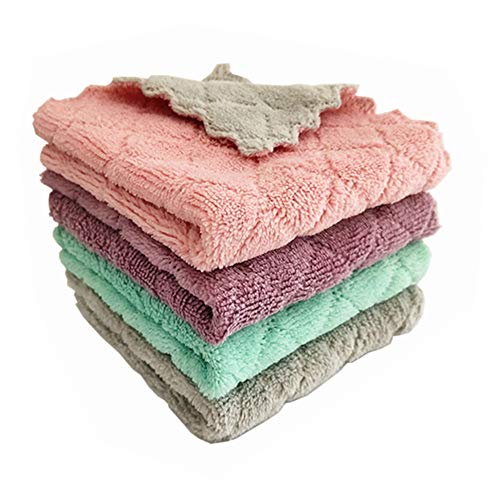
- Soft microfiber towel for drying wooden utensils


Before You Start
General prerequisites are simple: inspect for cracks or loose joints before cleaning; avoid dishwasher cycles and prolonged soaking. Always dry utensils immediately after washing to prevent water absorption. Safety note: never air-dry near high heat or in direct sunlight for extended periods, which can dry out and warp wood. Estimate 10–15 minutes for a typical cleaning session, plus 20–30 minutes for conditioning, depending on the utensil size and product type.
Step-By-Step: How To Clean Wooden Kitchen Utensils
- Rinse off food residues under warm running water to remove loose particles before soiling the grain.
- Prepare a mild cleaning solution with a small drop of gentle soap if needed; avoid harsh detergents that can strip natural oils.
- Gently scrub with a nylon cleaning brush for wooden utensils to lift stuck-on bits without scratching the surface.
- Rinse thoroughly to remove any soap residue, ensuring all channels and edges are clean.
- Dry promptly using a soft microfiber towel for drying wooden utensils, then let air-dry in a well-ventilated area to finish moisture evaporation.
- Inspect for stains or odors. If present, proceed to conditioning rather than repeat washing to avoid over-wetting the wood.
- Apply conditioning product—either a food-grade mineral oil for wooden utensils, a beeswax wood conditioner for cutting boards and utensils, or a wood oil and wax blend for wooden kitchen tools—following the product’s directions.
- Let the finish absorb for several hours or overnight in a cool, dry spot; wipe away any excess to prevent sticky buildup.
Troubleshooting
| Symptom | Likely Cause | Fix | Prevention |
|---|---|---|---|
| Dry, cracked surface | Overly aggressive washing or no conditioning | Recondition with oil or wax blend | Regular conditioning after cleaning |
| Sticky residue after conditioning | Too much oil or wax | Wipe excess with microfiber and air-dry | Follow product directions precisely |
| Persistent odor | Penetrated into porous wood | Clean, then recondition; consider repeating once | Prompt cleaning after use, avoid prolonged moisture |
| Stains on wood | Saturated with color from foods | Light sanding only if necessary, recondition after | Wipe spills promptly, use color-safe oils if available |
Common Mistakes
- Soaking wooden utensils in water for long periods
- Using dishwashers or high heat that can warp wood
- Overusing oils or waxes, leading to tacky surfaces
- Neglecting to dry utensils thoroughly after washing
Prevent these missteps by establishing a quick routine: rinse, wash gently, dry completely, then condition on a schedule that fits usage levels.
Tips For Best Results
- Choose a food-grade mineral oil or a workable wax blend that suits your wooden tools—some blends combine oil and wax for easier maintenance.
- Condition utensils every few weeks with light application to maintain moisture without buildup.
- Store utensils in a dry, ventilated area away from direct sunlight to minimize drying and warping.
- For cutting boards and spatulas, apply conditioner in the direction of the grain to maximize absorption.
- Periodically rotate conditioning products to prevent over-reliance on a single formula.
Call A Professional
Seek professional help if utensils show deep cracks, warping that affects use, or if odors persist after conditioning. Look for signs of mold in hard-to-reach seams or if the wood has swollen beyond functional tolerances. A craftsman or kitchenware specialist can assess and repair or advise safe replacement.
FAQ
Can I use regular mineral oil for wooden utensils?
Yes, provided it is food-grade and safe for kitchen use. Always follow the product directions.
How often should I condition wooden utensils?
Condition every few weeks for regular use, or after 2–4 cleanings if the wood looks dry.
Is it okay to soak utensils in water before cleaning?
Avoid prolonged soaking to prevent swelling and cracking; quick rinses are safer.
What oils or waxes are best for cutting boards?
A combination product or a dedicated beeswax-based conditioner often yields durable moisture retention and surface protection.
Can I put conditioning products on dirty utensils?
It’s best to clean first to remove debris and ensure even absorption of the finish.
Will conditioning affect the taste of foods?
When used as directed, conditioning products are designed to be safe for food contact and should not alter flavors.
Buying Guide
When selecting products for cleaning and maintaining wooden kitchen utensils, consider several factors to ensure optimal results and long-term care.
- Size and type of wood: Larger boards or utensils with deeper grain may require longer absorption times and more frequent conditioning.
- Product composition: Look for food-grade mineral oil, beeswax blends, or balanced oil and wax blends that suit your routine and climate.
- Oil absorption rate: Some woods drink oil quickly; others hold oil longer. Choose a product with clear absorption guidance.
- Applicator method: Oils that come with a brush or soft cloth can simplify application and reduce waste.
- Odor control: If odors are a concern, select products formulated to minimize scent while protecting wood.
- Maintenance frequency: Opt for products that align with your cooking habits—frequent cooks may prefer faster-absorbing formulas.
- Storage conditions: Consider your kitchen’s humidity and temperature; keep products in a cool, dry place for product stability.
Which approach fits best—oil only, or oil with a wax finish? Many users find a combination provides a durable barrier and a smooth finish. Do you favor easy reapplication, or a more extended protection period? With the right products and routine, wooden utensils stay practical and attractive for years.